






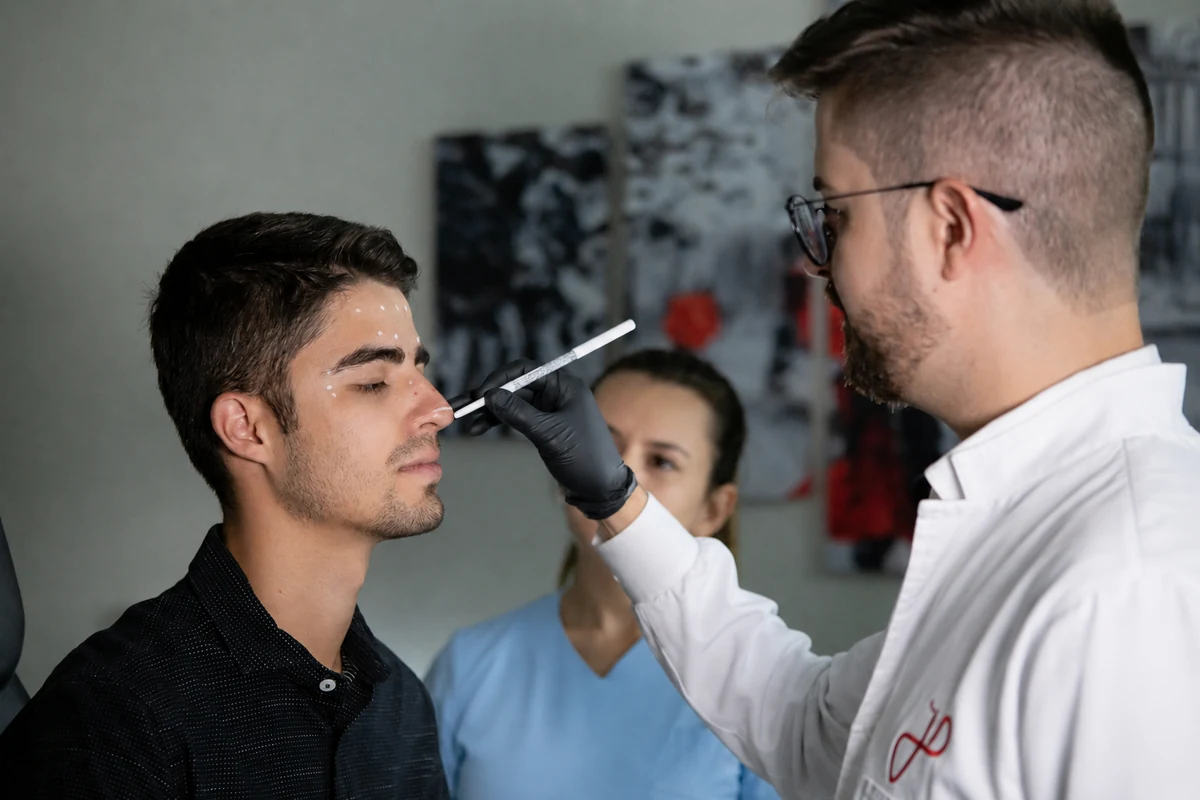
Сучасна естетична медицина розвивається швидше, ніж більшість пацієнтів встигає осмислити. Ще недавно головними темами були філери, ботулінотерапія, лазерні процедури й класичний anti-age. Сьогодні до цього поля додаються регенеративні методи, скинбустери, полінуклеотиди, PRP і PRF, ультразвукова діагностика перед ін’єкціями, апаратні протоколи для якості шкіри, корекція вікових змін після швидкого схуднення, обговорення так званого GLP-1 face, безпека ін’єкційних препаратів і нова роль лікаря як фахівця, який не просто «виконує процедуру», а будує стратегію.
У такому просторі легко загубитися. Пацієнт бачить назви методик, фото «до/після», короткі обіцянки в соцмережах і десятки рекомендацій, які часто суперечать одна одній. Один метод називають революційним, інший - застарілим, третій - «природним», четвертий - «найбезпечнішим». Але в реальній медичній практиці запитання стоїть інакше: не яка процедура модна, а яка задача стоїть перед лікарем, у якому стані тканини, які є показання, які ризики, який горизонт результату і де проходить межа можливостей конкретного методу.
Завдання цього матеріалу - допомогти побачити естетичну медицину як систему напрямів, рішень і обмежень, у якій професійність починається не з обіцянки ефекту, а з правильно поставленого питання.
Що таке естетична медицина сьогодні
Естетична медицина працює з виглядом, якістю тканин, віковими змінами, контурами обличчя й тіла, мімікою, текстурою шкіри, пігментацією, рубцями, судинними проявами, втратою об’ємів, ознаками фотостаріння та іншими станами, які впливають на зовнішність і самосприйняття людини. Але її не можна зводити лише до бажання «виглядати молодше» або «прибрати зморшки».
У професійному сенсі це сфера, де перетинаються дерматологія, анатомія, ін’єкційні технології, апаратні методики, регенеративні підходи, фармакологія, робота з бар’єром шкіри, профілактика ускладнень і довгострокове планування. В одних випадках завданням буде корекція об’єму. В інших - покращення якості шкіри. Іноді потрібна робота з м’язовою активністю, іноді - з пігментацією, рубцевими змінами, судинним компонентом або наслідками швидкої втрати ваги.
Це важливо, бо різні естетичні задачі не повинні автоматично вести до однієї й тієї самої процедури. Зморшка може бути пов’язана з мімікою, втратою об’єму, фотопошкодженням, сухістю, погіршенням якості дерми або зміщенням тканин. Втомлений вигляд може бути наслідком дефіциту об’єму, пігментації, набряковості, перевтоми, анатомічних особливостей або поєднання кількох чинників. Одна й та сама скарга на поверхні часто має різну внутрішню логіку.
Тому сучасна естетична медицина починається не з назви препарату або апарата, а з діагностики: що саме ми бачимо, чому це виникло, які тканини залучені, чи є медичні обмеження, який результат реалістичний і що може стати зайвим.
Чому вибір процедури починається не з методу
Найпростіша помилка в естетичній медицині - мислити схемою «проблема - процедура». Є зморшки - потрібен ботулотоксин. Є носогубна складка - потрібен філер. Є тьмяна шкіра - потрібна біоревіталізація. Є в’ялість - потрібен апаратний ліфтинг. У частині випадків така логіка може привести до правильного рішення, але сама по собі вона занадто груба.
У професійній естетичній медицині не пацієнт просто «обирає процедуру», а лікар разом із пацієнтом уточнює задачу. Лише після цього обирається метод - бажано найменш надмірний, найбільш обґрунтований і безпечний для конкретного стану тканин.
Клінічне рішення має враховувати не лише видиму ознаку, а й причину, стан тканин, попередню історію процедур, вік, якість шкіри, анатомію, схильність до набряків, запалення, фотопошкодження, очікування пацієнта і рівень ризику. Саме тому двоє людей із зовні схожим запитом можуть отримати абсолютно різні рекомендації.
Наприклад, втрата чіткості нижньої третини обличчя може бути пов’язана з втратою об’єму, зміщенням тканин, зміною підшкірно-жирових пакетів, якістю шкіри, станом шиї, прикусом, м’язовою напругою або загальним схудненням. Якщо бачити лише «провисання», можна спокуситися одним простим рішенням. Якщо аналізувати обличчя як анатомічну і функціональну систему, план буде точнішим і обережнішим.
У цьому сенсі естетична медицина не є набором прийомів. Це спосіб мислення. Метод має бути не початком розмови, а її наслідком. Спочатку - задача, показання, діагностика, безпека, межі очікувань. Потім - вибір інструмента.
Глибше ця логіка розкрита в матеріалі «Чому косметологія не піддається спрощенню: професійний погляд». Там пояснюється, чому результат у косметології формується не прямою дією методу, а відповіддю живої тканини, яка завжди залежить від контексту.
Три рівні оцінки будь-якої естетичної процедури
Щоб процедура була обґрунтованою, її варто оцінювати не лише за очікуваним ефектом. У професійній практиці важливі щонайменше три рівні: медичний, тканинний і очікувальний. Якщо один із них випадає, рішення стає менш точним.
Медичний рівень
Це питання показань, протипоказань, препарату або технології, кваліфікації фахівця, анатомічної зони, стерильності, ризиків, післяпроцедурного спостереження й готовності діяти в разі ускладнення. На цьому рівні процедура розглядається не як beauty-послуга, а як медичне втручання з конкретною відповідальністю.
Тканинний рівень
Це стан шкіри, бар’єра, дерми, підшкірної жирової клітковини, м’язової активності, судинного компоненту, запального фону, регенераторного потенціалу і попередньої історії втручань. Саме тканинний рівень часто пояснює, чому одна й та сама процедура дає різний результат у різних людей.
Докладніше ця тема може бути розкрита через матеріали про фактори варіабельності ефективності косметологічних методів і нелінійність результату в косметології.
Очікувальний рівень
Це те, що пацієнт хоче змінити, як він уявляє результат, наскільки очікування збігаються з реальністю і чи не підштовхує запит до надмірної корекції. У цій площині лікар має не лише виконати процедуру, а й пояснити межі: що метод може змінити, чого не змінить і коли результат буде оцінюватися коректно.
Саме на перетині цих трьох рівнів народжується професійне рішення. Якщо є медична безпека, але немає розуміння тканин, результат може бути слабким або нестійким. Якщо є хороший метод, але очікування нереалістичні, пацієнт може залишитися незадоволеним навіть технічно якісною роботою. Якщо є бажання швидкого ефекту, але немає показань, найкращим рішенням іноді стає не процедура, а пауза.
Основні напрями естетичної медицини
Щоб орієнтуватися в естетичній медицині, корисно не змішувати всі процедури в один список. Різні напрями мають різну логіку дії, різні ризики, різні межі ефективності й різний часовий горизонт результату.
| Напрям | Що може вирішувати | Де проходить межа | Пов'язані публікації |
|---|---|---|---|
| Ін’єкційні методи | Об’єм, міміка, контури, якість шкіри, окремі ознаки вікових змін | Не замінюють хірургію, лікування дерматологічних захворювань і базову роботу з якістю шкіри | Межі ін’єкційної косметології, гіалуронідаза, УЗД перед філерами |
| Апаратні методики | Текстура, пігментація, судинні прояви, рубці, тонус, якість шкіри | Не завжди ефективні при значному надлишку тканин, вираженому птозі або хірургічному рівні змін | Обмеження косметологічних методів |
| Регенеративні підходи | Підтримка відновлення, якість тканин, репаративні процеси, поступова робота зі шкірою | Доказовість неоднорідна, частина напрямів активно комерціалізується швидше, ніж накопичуються сильні клінічні дані | Полінуклеотиди і PDRN, мікронідлінг з PRP і PRF |
| Діагностика і безпека | Оцінка ризиків, анатомії, попередньо введених препаратів, профілактика ускладнень | Не усуває ризики повністю, але допомагає зробити рішення більш точним і контрольованим | УЗД перед філерами, ризик втрати зору після філерів |
| Вік, схуднення і якість тканин | Втрата об’єму, зміна контурів, в’ялість, зміни після швидкої втрати ваги | Іноді потрібна не косметологічна, а хірургічна або міждисциплінарна оцінка | GLP-1 face, якість шкіри після швидкого схуднення |
Ін’єкційні методи
Ін’єкційна косметологія залишається одним із найпомітніших напрямів естетичної медицини. До неї належать філери, ботулінотерапія, біоревіталізація, скинбустери, біостимулятори, препарати для роботи з якістю шкіри та інші методи, які передбачають введення речовин у тканини.
Філери найчастіше використовують для корекції об’єму, контурів, асиметрії, окремих складок або дефіциту тканинної підтримки. Проте філер не є універсальним інструментом омолодження. Він не «лікує» шкіру, не замінює роботу з її якістю і не повинен використовуватися там, де проблема пов’язана не з об’ємом, а з мімікою, запаленням, набряковістю, фотопошкодженням або надлишком тканин.
Ботулінотерапія має іншу логіку. Вона працює не з об’ємом, а з м’язовою активністю. Її завдання - зменшити надмірну мімічну напругу, пом’якшити динамічні зморшки або скоригувати окремі функціональні патерни. Саме тому її результат залежить не лише від препарату, а й від анатомії, дозування, точок введення, сили м’язів, асиметрії, попереднього досвіду процедур і професійної оцінки міміки.
Біоревіталізація, скинбустери й частина препаратів для якості шкіри мають іншу мету - не заповнити дефіцит об’єму, а вплинути на зволоженість, щільність, еластичність, текстуру або загальний вигляд шкіри. Але й тут важливо уникати перебільшень. Жодна ін’єкційна методика не скасовує фотозахист, базовий догляд, контроль запалення, здоровий бар’єр і реалістичну оцінку вихідного стану тканин.
Окремий блок ін’єкційної косметології - безпека. Філери й ботулінотерапія мають виконуватися кваліфікованими фахівцями в медично коректних умовах. Для філерів особливо важливі знання анатомії, розуміння судинних ризиків, правильний вибір препарату, техніки, глибини введення і готовність діяти при ускладненнях. Цю тему варто продовжити в матеріалах про гіалуронідазу після філерів, ультразвук перед філерами і ризик втрати зору після ін’єкційних процедур.
Апаратні методики
Апаратна косметологія охоплює методи, які використовують енергію або фізичний вплив: лазери, IPL, радіочастотні технології, ультразвук, HIFU, мікронідлінг, фракційні системи, методи шліфування й інші підходи до оновлення або ремоделювання тканин.
Їх часто сприймають як менш «ін’єкційні», а тому нібито простіші. Це не зовсім так. Апаратні методики також потребують показань, правильних параметрів, оцінки фототипу, стану бар’єра, схильності до пігментації, анамнезу, періоду відновлення і коректної підготовки шкіри. Енергія, яка здатна стимулювати тканини, так само здатна викликати небажану реакцію, якщо її застосувати без урахування контексту.
Лазерні та світлові методики можуть використовуватися для роботи з пігментацією, судинними проявами, текстурою, рубцями, ознаками фотостаріння. Радіочастотні технології й ультразвукові методи частіше обговорюють у контексті щільності, тонусу й ремоделювання тканин. Мікронідлінг - у темах текстури, рубців, якості шкіри й контрольованої стимуляції відновлення.
Але апаратний метод не є «чарівною кнопкою» для ліфтингу або омолодження. Його ефективність залежить від того, наскільки правильно обрана задача. Якщо проблема переважно в надлишку шкіри, значній втраті об’єму або хірургічному рівні птозу, апаратні методи можуть мати обмежений ефект. Якщо ж завдання пов’язане з якістю шкіри, поверхневою текстурою, судинним або пігментним компонентом, вони можуть бути важливою частиною плану.
Саме тут природно продовжити читання матеріалом про обмеження косметологічних методів і реалістичні очікування: він допомагає зрозуміти, чому навіть сучасна технологія має межі дії.
Регенеративні підходи
Регенеративна естетична медицина - одна з найактивніших тем останніх років. До цього поля відносять PRP, PRF, полінуклеотиди, PDRN, окремі біостимулювальні протоколи й методи, що претендують не просто на маскування ознак віку, а на підтримку відновлювальних процесів у тканинах.
Цей напрям дуже перспективний, але саме він потребує особливо тверезої мови. Слова «регенерація», «відновлення», «стимуляція колагену», «клітинне омолодження» легко перетворюються на маркетингові формули, якщо не уточнювати, що саме доведено, для яких показань, у яких умовах, з яким рівнем доказовості й на який строк.
PRP і PRF належать до аутологічних підходів, тобто використовують власні компоненти крові пацієнта. Але навіть у межах цієї групи результат залежить від протоколу отримання, концентрації клітинних і плазмових компонентів, способу введення, показань, стану тканин і комбінації з іншими методами. Тому некоректно говорити про PRP або PRF як про один універсальний метод з гарантованим ефектом.
Полінуклеотиди та PDRN обговорюються в контексті якості шкіри, репарації, зволоженості, тканинної відповіді й підтримки відновлення. Але й тут важливо розділяти біологічну гіпотезу, клінічний досвід, результати окремих досліджень і сильну доказову базу. Чим активніше метод входить у комерційну практику, тим обережнішою має бути мова професійного медіа.
Окремої уваги потребують екзосоми. Їх часто згадують поруч із регенеративними методами, але це зона підвищеної регуляторної та доказової чутливості. Для таких продуктів важливі походження матеріалу, стандартизація, спосіб застосування, заявлені показання, безпека, контроль якості й наявність реальних клінічних даних. Тому екзосоми варто розглядати не як готову «процедуру майбутнього», а як напрям, де наука, маркетинг і регуляторні питання поки що рухаються з різною швидкістю.
Для читача важливо розуміти: регенеративний підхід не означає автоматичного «омолодження». Частіше це спроба впливати на умови відновлення, якість тканин і біологічну відповідь. Результат залежить від вихідного стану шкіри, віку, запалення, способу життя, супутніх процедур і того, наскільки правильно обраний сам протокол. У цьому контексті варто перейти до матеріалів про полінуклеотиди й PDRN та мікронідлінг з PRP і PRF.
Діагностика і безпека
Окремий напрям сучасної естетичної медицини - діагностика й профілактика ускладнень. У міру того як процедури стають популярнішими, зростає потреба не лише в нових методах, а й у більшій відповідальності: правильному відборі пацієнтів, розумінні протипоказань, документуванні, інформованій згоді, післяпроцедурному спостереженні й готовності лікаря розпізнати небажану реакцію.
Особливо це стосується ін’єкційних процедур. Філер, введений у неправильну площину або в зону з високими судинними ризиками, може спричинити серйозні ускладнення. Саме тому в професійному середовищі дедалі більше обговорюють роль ультразвуку: для оцінки попередньо введених філерів, уточнення анатомії, виявлення судинних структур, діагностики ускладнень і точнішого введення гіалуронідази в разі судинної компрометації.
Безпека в естетичній медицині - це не лише відсутність ускладнень. Це якість усієї системи: хто виконує процедуру, який препарат використовується, чи зрозумілі показання, чи обговорені альтернативи, чи є план дій у разі небажаної реакції, чи знає пацієнт, коли потрібно звернутися до лікаря повторно.
Саме тому матеріали про гіалуронідазу, ультразвук перед філерами, ризики втрати зору після філерів і вибір кваліфікованого спеціаліста мають бути не другорядними, а центральними для розділу естетичної медицини. Вони формують доросле розуміння процедури: краса не повинна відокремлюватися від медичної відповідальності.
Естетика віку, схуднення і якості тканин
Останні роки змінили й саму карту естетичних запитів. Пацієнти частіше приходять не лише з окремою зморшкою або бажанням збільшити губи, а з комплексними змінами: втрата об’єму після 40, погіршення якості шкіри, зміни нижньої третини обличчя, шия, в’ялість після швидкого схуднення, обличчя після значної втрати ваги або на тлі терапії препаратами для контролю маси тіла.
Так зване GLP-1 face - не строгий медичний діагноз, а радше медійно-пацієнтський термін, яким описують зміни обличчя після швидкого або значного схуднення. У таких випадках змінюється не лише цифра на вагах. Змінюються об’єми обличчя, підтримка тканин, контури, іноді - сприйняття віку. Шкіра може не встигати адаптуватися до втрати підшкірної жирової тканини, особливо якщо вже є фотопошкодження, знижена еластичність, вік, куріння, хронічний стрес або дефіцит відновлювальних ресурсів.
Тут естетична медицина повинна бути особливо обережною. Не кожна зміна після схуднення коригується філером. Не кожна в’ялість відповідає на апаратний метод. Не кожна втрата об’єму потребує негайного заповнення. Іноді першочерговим завданням стає якість шкіри, іноді - поступова стратегія, іноді - консультація пластичного хірурга, а іноді - чесне пояснення меж косметологічних процедур.
Саме цей напрям, імовірно, буде одним із найважливіших для естетичної медицини найближчими роками: пацієнти очікуватимуть не просто «омолодження», а грамотної допомоги в періоди метаболічних, вікових і тканинних змін. Для поглиблення теми варто читати матеріали про GLP-1 face і якість шкіри після швидкого схуднення.
Коли естетична медицина не є першим вибором
Професійність естетичної медицини проявляється не лише в тому, щоб правильно обрати процедуру. Іноді вона проявляється в умінні не робити процедуру одразу. Це особливо важливо в ситуаціях, де естетичний запит приховує медичну проблему, активне запалення, завищені очікування або потребу в іншому спеціалісті.
Процедуру варто відкласти або переглянути план, якщо є активне інфекційне чи запальне ураження шкіри, невизначений дерматологічний стан, виражена алергічна або імунна реактивність, нещодавні ускладнення після попередніх втручань, соматичні протипоказання, прийом препаратів, що змінюють ризик кровотечі або загоєння, або ситуація, коли пацієнт очікує результату, який метод об’єктивно не може дати.
Окрема зона - значний надлишок тканин, виражений птоз, постбаріатричні або різкі зміни після схуднення. У таких випадках косметологічні методи можуть покращити якість шкіри або окремі естетичні параметри, але не завжди здатні замінити хірургічну консультацію. Чесне направлення до іншого спеціаліста в таких ситуаціях є не слабкістю косметології, а її професійною зрілістю.
Ще одна причина для паузи - запит «змінити все одразу». Якщо пацієнт хоче швидко виправити багато зон, отримати різке омолодження або повторити чужий результат із фото, лікар має не підсилювати імпульс, а повернути розмову до анатомії, показань, меж і безпеки. Надмірна корекція часто починається саме там, де естетична медицина перестає ставити запитання.
Як зрозуміти, що процедура справді вам підходить
Пацієнтові не обов’язково знати всі технічні деталі процедури. Але важливо розуміти логіку вибору. Хороша консультація не повинна зводитися до фрази «вам потрібен цей препарат» або «зробимо курс». Вона має пояснювати, чому саме цей метод розглядається, яку задачу він вирішує, які є альтернативи, які обмеження і як оцінюватиметься результат.
Перед процедурою варто поставити кілька базових питань:
- Яку саме проблему ми вирішуємо? Не загальне «омолодження», а конкретну задачу: об’єм, міміка, якість шкіри, пігментація, рубці, судинний компонент, текстура, в’ялість, асиметрія.
- Чому обраний саме цей метод? Професійне рішення має мати пояснення, а не спиратися лише на популярність процедури.
- Які є альтернативи? Якщо існує кілька шляхів, пацієнт має розуміти різницю між ними.
- Які межі результату? Важливо знати не лише що метод може покращити, а й чого він не змінить.
- Які ризики й небажані реакції можливі? Це не повинно лякати, але має бути проговорено до процедури, а не після неї.
- Коли оцінювати результат? Для різних методів часовий горизонт різний: щось видно швидко, щось формується поступово, а щось потребує серії процедур і періоду відновлення.
Такі питання не заважають лікарю. Навпаки, вони допомагають відрізнити професійну консультацію від продажу процедури. Там, де є пояснення, межі й план, зазвичай більше безпеки. Там, де є лише обіцянка швидкого ефекту, варто бути обережнішим.
Реалістичні очікування: чому це частина безпеки
Реалістичні очікування часто сприймають як психологічну або комунікаційну тему. Насправді в естетичній медицині це ще й питання безпеки. Людина, яка очікує неможливого, частіше погоджується на надмірну корекцію, повторює процедури занадто часто, змінює спеціалістів у пошуку «сильнішого ефекту» або тисне на лікаря, щоб отримати результат, який не відповідає стану тканин.
Професійна естетична медицина не повинна підтримувати ілюзію, що будь-яку рису можна нескінченно покращувати. У кожного методу є межа. У кожної тканини є ресурс. У кожної анатомії є свої умови. У кожного результату є ціна: відновлення, ризик, зміна міміки, зміна пропорцій, необхідність підтримки або ймовірність того, що ефект буде менш вираженим, ніж хотілося б.
Саме тому чесна розмова про очікування - це не спосіб «знизити продаж». Це спосіб захистити пацієнта, лікаря і саму якість результату. Добрий естетичний результат не завжди той, який найбільше помітний. Часто він той, який не руйнує природність, не перевантажує тканини, не створює нових проблем і відповідає реальним можливостям методу.
Висновок
Естетична медицина стає дорослішою тоді, коли перестає обіцяти універсальні рішення. Її сила не в тому, щоб назвати одну найкращу процедуру для всіх, а в тому, щоб правильно оцінити задачу, тканини, ризики, очікування й можливості конкретного методу.
Для пацієнта це означає більш свідомий вибір. Для лікаря - більшу професійну відповідальність. Для beauty-індустрії - перехід від поверхневої реклами до культури доказовості, безпеки й реалістичного результату.
В розділі «Естетична медицина» на Cosmet.info ми намагаємося дати Вам професійну навігацію у сфері, де краса, медицина, технології й клінічне мислення мають працювати разом.
References
- U.S. Food and Drug Administration. Dermal Fillers (Soft Tissue Fillers). FDA; 2023. Accessed May 18, 2026.
- U.S. Food and Drug Administration. FDA-Approved Dermal Fillers. FDA. Accessed May 18, 2026.
- American Academy of Dermatology. Fillers: FAQs. AAD. Accessed May 18, 2026.
- American Academy of Dermatology. Botulinum toxin therapy: FAQs. AAD. Accessed May 18, 2026.
- American Society of Plastic Surgeons. Skin Rejuvenation and Resurfacing. ASPS. Accessed May 18, 2026.
- American Society of Plastic Surgeons. Skin Rejuvenation and Resurfacing: Risks and Safety. ASPS. Accessed May 18, 2026.
- International Society of Aesthetic Plastic Surgery. ISAPS Global Survey 2024: Full Report and Press Releases. ISAPS; 2025. Accessed May 18, 2026.
- U.S. Food and Drug Administration. Consumer Alert on Regenerative Medicine Products Including Stem Cells and Exosomes. FDA; 2020. Accessed May 18, 2026.
- Kroumpouzos G, Treacy P. Hyaluronidase for Dermal Filler Complications: Review of Applications and Dosage Recommendations. JMIR Dermatology. 2024;7:e50403. doi:10.2196/50403.
- Azizi N, Tootoonchi N, Khorasanizadeh F, Nasimi M, Ehsani AH. Ultrasound-Guided Hyaluronidase Injections for the Management of Filler-Induced Arterial Ischemia: A Pictorial Case Series and Systematic Review of Literature. Aesthetic Surgery Journal Open Forum. 2025;7:ojaf125. doi:10.1093/asjof/ojaf125.
- Kato JM, Matayoshi S. Visual loss after aesthetic facial filler injection: a literature review on an ophthalmologic issue. Arquivos Brasileiros de Oftalmologia. 2022;85(3):309-319. doi:10.5935/0004-2749.20220048.
- Lampridou S, Bassett S, Cavallini M, Christopoulos G. The Effectiveness of Polynucleotides in Esthetic Medicine: A Systematic Review. Journal of Cosmetic Dermatology. 2025;24(2):e16721. doi:10.1111/jocd.16721.