






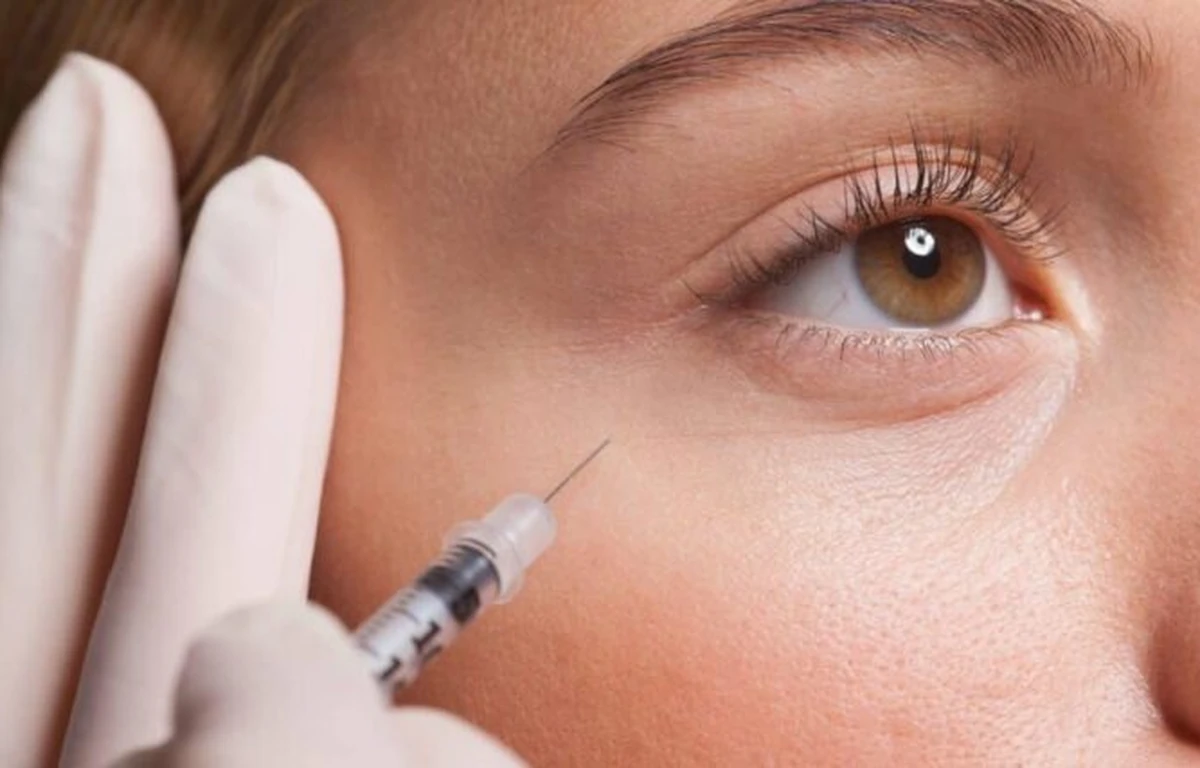
Нові британські узгоджені рекомендації щодо втрати зору після філерів зміщують акцент із самого факту рідкісного ризику на готовність клініки діяти без затримки. Йдеться не лише про техніку ін’єкції, а про маршрут пацієнта, інформовану згоду, екстрений набір у клініці та розуміння того, які перші кроки допустимі до переведення у відділення невідкладної допомоги. Саме так сформульовано підхід у нових британських узгоджених рекомендаціях, опублікованих в Aesthetic Surgery Journal.
Документ підготувала мультидисциплінарна робоча група, до якої увійшли фахівці з естетичної медицини, невідкладної офтальмології, окулопластики, ретинальної хірургії, медсестринської практики та фармації. У анотації на PubMed автори прямо зазначають, що ці рекомендації зосереджені на невідкладних заходах, шляхах доступу до спеціалізованої допомоги, покращенні процесу інформованої згоди та підвищенні обізнаності щодо зорових ускладнень. Це важлива різниця: документ не намагається заново пояснити всю проблему з нуля, а дає клініцисту практичну рамку дій у ситуації, де час має критичне значення.
Чому втрата зору після філерів знову в центрі професійної уваги
Причина проста: кількість процедур із філерами зростає, а разом із нею - і кількість описаних ускладнень. У самих узгоджених рекомендаціях наведено показову динаміку: якщо у 2015 році в літературі описували 98 випадків порушення зору після ін’єкцій філерів, то до 2018 року їх було вже 146, а до березня 2023 року - 511. Для професійної спільноти це означає, що навіть рідкісне ускладнення вже не можна розглядати як суто теоретичний сценарій або як виняток, який ніколи не трапиться в реальній практиці.
Механізм ускладнення в документі описаний доволі прямо. Ненавмисне внутрішньосудинне введення тканинного філера, найчастіше препарату на основі гіалуронової кислоти, у судинну систему обличчя може призвести до ретроградної емболізації й перекриття кровотоку в артеріях, пов’язаних з оком. Саме тому втрата зору після філерів - це не "косметичний побічний ефект", а справжня судинна подія. Від того, яка саме артерія перекрита, залежить і характер зорового дефіциту, і супутні симптоми, і прогноз для пацієнта.
Окремо в рекомендаціях підкреслено, що таке ускладнення зазвичай виникає одразу або протягом перших 10 хвилин після ін’єкції. Багато випадків від самого початку мають тяжкий перебіг. У зведених даних, на які посилаються автори, 62,7% пацієнтів мали відсутність світловідчуття, птоз описували у 56,2% випадків, офтальмоплегію - у 44,1%, а ознаки ураження центральної нервової системи - майже у 20% випадків. Це ті цифри, які різко змінюють сприйняття теми: мова йде не про тимчасовий дискомфорт чи "неприємний, але оборотний" побічний ефект, а про ускладнення, яке може мати катастрофічні наслідки.
У тексті також прямо сказано, що відновлення зору є варіабельним, а найважливішим прогностичним чинником залишається ступінь втрати зору на момент першого огляду. Для клініки це означає лише одне: цінність має не лише техніка ін’єкції до ускладнення, а й швидкість розпізнавання події вже після нього. Час, втрачений на сумніви, самозаспокоєння або затягування з переведенням пацієнта, у такому сценарії має реальну клінічну вагу.
Що радять нові британські узгоджені рекомендації
Сильна сторона документа в тому, що він побудований не навколо абстрактних міркувань, а навколо практичних запитань. Чи має клініка знати, куди саме направляти такого пацієнта? Чи потрібен екстрений набір? Чи слід прямо говорити про ризик втрати зору під час інформованої згоди? Які дії допустимі в перші хвилини, а що лише створює небезпечну затримку? Саме такі питання обговорювала мультидисциплінарна група, яку зібрали у 2024 році. Формулювання узгоджували через структуроване голосування, а порогом погодження позиції був рівень згоди понад 75%.
Один із головних практичних висновків звучить жорстко і чітко: при підозрі на ураження зорової системи або центральної нервової системи пацієнта слід без зволікання доставляти до найближчого відділення невідкладної допомоги. Цей принцип може здаватися простим, але саме він є одним із ключових зсувів у рекомендаціях. Логіка тут у тому, що вузькопрофільний офтальмологічний підрозділ не завжди є найшвидшим і найбезпечнішим першим маршрутом, особливо якщо клінічна картина може виходити за межі лише очної симптоматики і мати неврологічний компонент.
Не менш важлива частина документа стосується готовності самої клініки. Автори вважають, що лікарі, які працюють із тканинними філерами, повинні мати під рукою екстрений набір для зорових та ішемічних ускладнень, а також прості інструкції з розпізнавання симптомів і базовий план дій. У статті прямо згадані такі складові набору:
- timolol 0.5% eye drops
- paper bag для rebreathing
- aspirin 300 mg
- hyaluronidase не менше 7500 IU, якщо фахівець навчений її застосуванню
Важливо, що автори говорять не лише про наявність препаратів як таку. Вони рекомендують регулярно перевіряти строки придатності вмісту набору, мати готові прості схеми дій і навчати команду розпізнавати симптоми судинної події. Інакше навіть добре укомплектований emergency kit ризикує залишитися декоративним елементом "на випадок чогось", а не реальною частиною системи безпеки. У цьому і полягає одна з найцінніших думок документа: проблема не вирішується самим фактом наявності гіалуронідази або очних крапель. Вона вирішується лише тоді, коли вся команда розуміє, коли саме запускається екстрений протокол і хто що робить у перші хвилини.
Ще один великий блок змін стосується інформованої згоди. Автори узгоджено вважають, що перед ін’єкціями філерів пацієнта слід інформувати про ризик втрати зору, а сам ризик варто описувати як "rare", а не намагатися назвати точну цифру для конкретної зони чи конкретної техніки. Причина в тому, що реальний масштаб ризику складно порахувати через недоповідомлення, неоднорідність діагностики, відсутність стандартизованого збору даних та інші обмеження. У документі також зазначено, що під час отримання згоди варто розглянути і згадку про ризик інсульту. Це неприємна, але чесна частина сучасної практики, особливо коли йдеться про ускладнення, здатне виходити за межі лише очної симптоматики.
Перші хвилини після підозри на втрату зору: що допустимо, а що не варто переоцінювати
Узгоджені рекомендації допускають кілька початкових неінвазивних дій, які можна виконати в клініці ще до транспортування. Їхня мета - спробувати змістити ембол далі в більш периферичну частину офтальмологічного судинного русла та тим самим дати шанс на відновлення перфузії сітківки. Серед таких заходів у документі наведені ocular massage, rebreathing у paper bag і timolol 0.5% drops в уражене око.
Але саме тут документ звучить особливо тверезо. Автори визнають, що високорівневої доказової бази для таких заходів немає. Їх можна спробувати через відносну безпечність і потенційну користь, але жоден із цих кроків не повинен створювати суттєвої затримки перед доставленням пацієнта до найближчого відділення невідкладної допомоги. Це одна з найважливіших думок усього документа: початкові дії мають підтримувати маршрут пацієнта, а не замінювати його.
У практичному сенсі це означає, що раптове погіршення зору, повна або часткова втрата зору, сильний біль, птоз, порушення рухів ока, блідість чи інші ішемічні зміни шкіри в периокулярній зоні не можна сприймати як тимчасову реакцію на процедуру. Це симптоми, які мають запускати екстрений протокол, а не спостереження "ще кілька хвилин". Якщо додати до цього, що приблизно у п’ятої частини випадків можливі stroke-like features, стає зрозуміло, чому документ так сильно наголошує саме на швидкості ескалації.
Окремо рекомендації застерігають від дій, які можуть дати лише видимість активного втручання. Автори прямо пишуть, що вимірювання гостроти зору, реакцій зіниць чи моторики ока не повинні затримувати переведення пацієнта, якщо ці тести не змінюють тактику тут і зараз. Так само не підтримується рутинне виконання інвазивних процедур на кшталт anterior chamber paracentesis через обмежені докази користі та ризик додаткових ускладнень. Тобто рекомендації не просто говорять, що "треба щось робити", а й окреслюють межі корисної активності.
Яке місце гіалуронідази і що це означає для лікаря та пацієнта
Найбільше професійних дискусій традиційно виникає навколо гіалуронідази, і нові британські узгоджені рекомендації це відверто визнають. Документ не подає її як універсальне рішення. Її застосування можна розглядати лише тоді, коли підозрюване ускладнення пов’язане саме з філером на основі гіалуронової кислоти. Тобто це інструмент для конкретного сценарію, а не стандартна відповідь на будь-яку втрату зору після ін’єкції.
У тексті прямо зазначено, що periocular hyaluronidase теоретично може бути корисною для зорового прогнозу, тому її можна спробувати, якщо лікар упевнено володіє технікою й якщо це не створює затримки перед переведенням пацієнта. Натомість retrobulbar або peribulbar введення не підтримуються через слабку доказову базу та окремі ризики, включно з ризиком перфорації ока. Для практики це важливий сигнал: гіалуронідаза залишається частиною розмови, але її роль стала значно стриманішою й точнішою.
Ще одна сильна сторона цих рекомендацій - вони чесно окреслюють власні межі. Вони не обіцяють гарантованого відновлення зору. Навпаки, автори прямо пишуть, що visual recovery є варіабельним, а найважливішим прогностичним чинником залишається ступінь втрати зору на момент першого огляду. Саме це робить документ дорослим і корисним: він не створює ілюзії "рецепта порятунку", а дає прагматичні кроки для першої лінії допомоги.
«Ми написали цю рецензовану публікацію, щоб допомогти фахівцям, які виконують ін’єкції, зрозуміти ризик втрати зору після введення дермальних філерів і дати орієнтири щодо ведення таких випадків».
Mr James Neffendorf, консультант-офтальмолог і вітреоретинальний хірург, у коментарі для Aesthetics Journal.
Для лікаря головна зміна полягає в тому, що втрата зору після філерів більше не повинна існувати в свідомості як "дуже рідкісна страшилка". Це сценарій, до якого клініка має бути готовою заздалегідь. У практичному сенсі це означає чотири речі: реалістичну інформовану згоду, зрозумілий маршрут до відділення невідкладної допомоги, екстрений набір у клініці й навчання команди розпізнавати симптоми без втрати часу.
Для пацієнта головний висновок теж досить прямий: безпечність процедури залежить не лише від бренду філера чи популярності клініки. Вона залежить від анатомічних знань, техніки, готовності лікаря діяти в судинному ускладненні та чесної розмови про ризики до ін’єкції. Саме тому ці узгоджені рекомендації важливі не лише для фахівців - вони змінюють і сам стандарт відповідального спілкування з пацієнтом.