






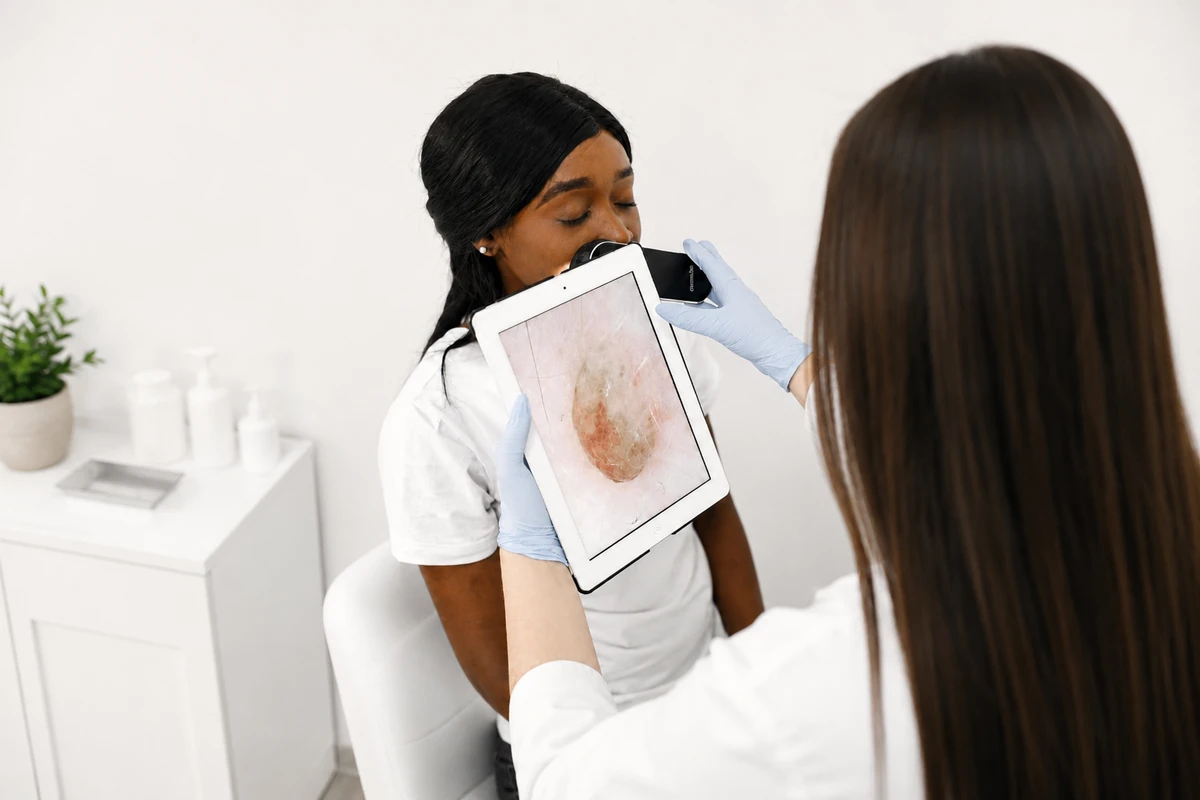
У сучасній косметології багато говорять про можливості: стимуляцію колагену, корекцію мімічних зморшок, роботу з текстурою, пігментацією, рубцями, втратою об’єму, судинними проявами, постзапальними змінами та віковими трансформаціями тканин. Але професійна якість естетичної медицини визначається не тільки тим, що метод може зробити. Не менш важливо розуміти, де його дія закінчується.
Обмеження косметологічного методу - це не слабкість процедури й не доказ її неефективності. Це нормальна частина клінічного мислення. Будь-який метод діє в межах певної анатомічної мішені, певної глибини, певного механізму, певної біологічної відповіді та певного профілю безпеки. Якщо запит пацієнта виходить за ці межі, процедура може бути технічно виконана правильно, але не дати того результату, якого від неї очікували.
Саме тому межі методу мають обговорюватися до процедури, а не після неї. Реалістичні очікування - це не спосіб “знизити планку” і не формальність перед інформованою згодою. Це частина безпеки, тому що завищене очікування часто підштовхує до надмірного об’єму, зайвої енергії, коротких інтервалів між процедурами, агресивніших параметрів або повторних корекцій без достатніх показань.
Інші публікації Cosmet.info, пов'язані з цією темою
У статті чому професійна косметологія потребує складнішого мислення йдеться про те, чому естетична медицина не працює за спрощеною логікою “одна проблема - одна процедура”. У матеріалі про те, чому ефект процедур може розвиватися нерівномірно, головний фокус - часова динаміка результату: запалення, ремоделювання, відстрочені зміни, періоди плато та коливання видимого ефекту. А стаття про те, які фактори впливають на ефективність косметологічних методів, пояснює, чому одна процедура може працювати по-різному в різних пацієнтів.
Цей матеріал має інший фокус. Він не пояснює складність косметології загалом, не аналізує часову нелінійність і не розбирає індивідуальну варіабельність як головну тему. Його задача - показати межі методу: що процедура справді може покращити, чого вона не здатна змінити за своїм механізмом, коли додатковий вплив перестає бути доцільним і чому реалістичне очікування є частиною професійної безпеки.
Межа методу як клінічне поняття
У професійній естетичній медицині обмеження процедури не можна зводити до фрази “метод працює слабше, ніж очікував пацієнт”. Межа методу - це точка, у якій його механізм дії, анатомічна мішень, біологічна відповідь тканин і профіль безпеки більше не відповідають поставленій естетичній задачі.
Процедура має сенс не тоді, коли її технічно можна виконати, а тоді, коли є достатній збіг між чотирма параметрами: клінічною проблемою, механізмом методу, очікуваним масштабом зміни та прийнятним рівнем ризику. Якщо хоча б один із цих параметрів випадає, результат може стати недостатнім, нестабільним, неприродним або небезпечним.
Наприклад, ботулотоксин може бути дуже точним методом для зменшення м’язової активності, але не є способом відновлення втраченої дермальної щільності чи корекції надлишку шкіри. Філер може відновити об’єм або підтримати контур, але не повинен підміняти хірургічну підтяжку там, де проблема полягає у вираженому птозі та надлишку тканин. Лазер може покращити текстуру, тон, ознаки фотопошкодження або рубцеві зміни, але не здатен безпечно “стерти” всі вікові прояви без урахування глибини проблеми, фототипу, бар’єра та ризику пігментації.
У цьому сенсі межа методу - не кінець можливостей косметології. Це її професійна рамка. Вона допомагає відрізнити коректне показання від спроби використати процедуру не за механізмом, а за бажанням отримати результат будь-якою ціною.
Межа клінічної доцільності: коли можна, але не потрібно
У косметології існує не лише технічна можливість виконати процедуру, а й межа клінічної доцільності. Технічно можна додати більше препарату, підвищити енергію, обрати глибший пілінг, скоротити інтервал між процедурами або поєднати кілька методик в одному протоколі. Але професійне питання полягає не в тому, чи можливо це зробити. Питання в тому, чи збільшує це користь більше, ніж ризик.
Саме тут проходить одна з найважливіших меж між естетичною медициною та агресивним сервісом. У медицині будь-яке втручання має мати обґрунтування: показання, прогнозований механізм, очікуваний результат, альтернативи, протипоказання, ризики та план ведення можливих ускладнень. Якщо додатковий вплив не має чіткої мішені, він перестає бути лікувальною або коригувальною дією і стає фактором зайвого навантаження на тканини.
Надмірна процедура часто свідчить не про “інтенсивніший догляд”, а про втрату діагностичної точності: фахівець продовжує посилювати вплив там, де вже потрібно переглянути саму задачу. У такій ситуації професійність полягає не в тому, щоб зробити більше, а в тому, щоб зупинитися, переоцінити мішень і чесно визначити, чи потрібна процедура взагалі.
Косметологічний метод не “омолоджує обличчя” загалом - він діє на конкретну мішень
Одна з головних причин нереалістичних очікувань - сприйняття косметологічної процедури як універсального інструмента омолодження. У пацієнтській логіці запит часто звучить широко: “хочу виглядати свіжіше”, “хочу підтягнути обличчя”, “хочу прибрати вік”, “хочу рівну шкіру”. Але професійна косметологія не працює з абстрактним “омолодженням”. Вона працює з конкретними структурами й механізмами.
Ботулотоксин зменшує активність м’язів, які формують динамічні зморшки. Дермальні філери змінюють об’єм, контур або підтримку в певних анатомічних зонах. Лазери, IPL, пілінги та інші методи resurfacing працюють із пігментом, судинним компонентом, епідермісом, дермальним ремоделюванням або текстурою. Мікронідлінг створює контрольовані мікропошкодження для запуску репаративної відповіді. Радіочастотні та ультразвукові методики використовують енергію, щоб впливати на тканини через нагрівання, коагуляцію або механічну стимуляцію.
Якщо механізм процедури не відповідає причині естетичної проблеми, результат буде обмеженим навіть за технічно правильно виконаної роботи. Неможливо отримати стабільний природний ефект, коли метод обраний не за показанням, а за популярністю, рекламною обіцянкою або бажанням “зробити щось сильніше”.
Анатомічні обмеження: що можна змінити без операції, а що ні
Анатомія визначає, які зміни доступні косметологічній корекції, а які виходять за межі неінвазивних або мінімально інвазивних методів. Обличчя старіє не лише через зморшки. Змінюється товщина дерми, якість епідермального бар’єра, стан підшкірної жирової клітковини, положення жирових пакетів, зв’язковий апарат, кісткова підтримка, м’язовий тонус, пропорції та світлотіньові переходи.
Частина цих змін може бути пом’якшена косметологічними методами. Але частина потребує іншого рівня втручання або взагалі не повинна маскуватися надмірною кількістю процедур. Наприклад, лазерне шліфування може покращити текстуру, дрібні зморшки, постакне, прояви фотопошкодження та нерівномірність тону. Однак воно не є методом корекції вираженого надлишку шкіри або значного провисання тканин.
Філер може частково відновити втрачений об’єм, пом’якшити складку або підтримати контур. Але він не повертає зв’язкам їхню первинну механічну функцію, не замінює хірургічну підтяжку й не повинен використовуватися як нескінченний спосіб “натягнути” обличчя через додавання об’єму. Коли анатомічна проблема маскується надлишком препарату, результат може втратити природність, а подальші корекції стають складнішими.
Ботулотоксин добре працює там, де ключову роль відіграє м’язова активність: міжбрів’я, “гусячі лапки”, горизонтальні зморшки чола, окремі зони гіпертонусу. Але якщо складка вже стала переважно статичною, пов’язана з втратою об’єму, якістю дерми або надлишком шкіри, одна лише м’язова релаксація не дасть ефекту “нової шкіри”.
Саме тому професійна консультація має починатися не з вибору процедури, а з визначення рівня проблеми: м’яз, епідерміс, дерма, пігмент, судини, жирова тканина, зв’язки, кісткова підтримка, запалення, рубцева деформація, бар’єрна дисфункція або комбінація цих чинників.
Біологічні обмеження: тканина не відповідає безмежно
Косметологія часто використовує природні механізми відновлення: загоєння, неоколагенез, ремоделювання позаклітинного матриксу, оновлення епідермісу, регуляцію запалення, покращення бар’єрної функції. Але ці механізми не є безмежними. Шкіра не реагує як матеріал, який можна просто “відшліфувати”, “ущільнити” або “натягнути” до бажаного стану. Вона є живою тканиною зі своїми ресурсами, обмеженнями та ризиками.
Навіть якщо метод створює правильний стимул, організм має перетворити цей стимул на якісну репарацію. І тут важлива не лише сила впливу, а й здатність тканини відповісти. Вік, фотопошкодження, хронічне запалення, куріння, метаболічний стан, дефіцити, гормональні зміни, судинна мікроциркуляція, сон, попередні процедури та стан бар’єра можуть змінювати цю відповідь. Але для цієї статті ключове інше: навіть за уважного врахування цих факторів метод не може вийти за межі біологічної здатності тканини до відновлення.
Надмірне пошкодження не дорівнює кращому ремоделюванню. У репаративній медицині принципово важливе терапевтичне вікно: вплив має бути достатнім, щоб запустити відповідь, але не настільки агресивним, щоб перевести тканину в неконтрольоване запалення, тривале подразнення, пігментацію, рубцювання або порушення бар’єра.
Це особливо важливо для лазерів, глибших пілінгів, RF-мікронідлінгу та комбінованих протоколів. Коли пацієнт очікує “максимального результату за один раз”, а фахівець намагається відповідати цьому запиту через агресивніші параметри, клінічна логіка може зміститися з оптимальної стимуляції в бік надмірної травматизації.
Технологічні обмеження: назва процедури не гарантує результат
Кожна технологія має фізичні межі: глибину проникнення, тип мішені, спосіб доставки енергії, профіль нагрівання або пошкодження тканини. Саме ці параметри визначають, чи потрапляє вплив у потрібну структуру, чи створює лише поверхневий ефект або зайвий ризик.
Лазер, IPL, RF, HIFU, біостимуляція, пілінг або мікронідлінг - це не результат, а клас впливу. У межах одного класу можуть існувати різні пристрої, препарати, протоколи, глибини, налаштування, показання, профілі ризику та рівні доказовості. Тому назва процедури сама по собі не гарантує ні ефекту, ні безпеки.
У лазерній дерматології, наприклад, результат залежить від відповідності між мішенню, довжиною хвилі, параметрами енергії, фототипом, станом шкіри та післяпроцедурним веденням. Якщо ці умови не враховані, зростає ризик гіперпігментації, гіпопігментації, опіків, рубцювання або тривалого запалення. У радіочастотних методиках не менш важливі глибина впливу, доставка тепла, анатомія зони, товщина тканин і досвід оператора.
Професійне питання звучить не “яка процедура найсильніша?”, а “яка мішень, який механізм, які параметри, який очікуваний масштаб зміни, які ризики і де проходить межа доцільного впливу?”.
Не кожен результат має бути радикальним: чотири рівні естетичного ефекту
Ще одна причина розчарувань полягає в тому, що пацієнт і фахівець можуть по-різному розуміти слово “результат”. Для однієї людини результат - це видиме зменшення зморшки або рубця. Для іншої - свіжіший вигляд без різкої зміни обличчя. Для третьої - стабілізація стану, щоб проблема не прогресувала. Якщо ці очікування не названі до процедури, навіть корисний ефект може здатися недостатнім.
У професійній консультації корисно розрізняти кілька рівнів естетичного результату.
- Корекційний ефект. Помітна зміна конкретного параметра: зморшки, складки, дефіциту об’єму, рубця, пігментної плями або судинного прояву.
- Покращувальний ефект. Шкіра виглядає рівнішою, м’якшою, свіжішою, щільнішою або спокійнішою, але без радикальної трансформації зовнішності.
- Стабілізаційний ефект. Процедура або протокол не “прибирає все”, але допомагає зменшити прогресування проблеми, підтримати бар’єр, контроль запалення або якість тканин.
- Підготовчий ефект. Втручання створює кращі умови для наступного етапу: наприклад, зменшує запалення, покращує бар’єр, вирівнює поверхню або знижує ризики перед більш активною методикою.
Ці рівні не є ієрархією “слабкий - сильний”. Вони описують різні клінічні задачі. Іноді стабілізаційний або підготовчий ефект є професійно правильнішим, ніж агресивна спроба одразу отримати радикальну зміну.
Як відрізнити показання від завищеного очікування
Найпростіший спосіб побачити межі методу - порівняти його реальну мішень із тим, що від нього очікують. Якщо очікування не відповідає мішені, процедура може бути якісною технічно, але слабкою стратегічно.
| Метод | Реальна мішень | Що метод може покращити | Де починається завищене очікування | Потенційна ціна помилки |
|---|---|---|---|---|
| Ботулотоксин | М’язова активність | Динамічні зморшки, окремі зони гіпертонусу, надмірну міміку | Очікування повного омолодження, корекції об’єму, якості шкіри або вираженого птозу | Неприродна міміка, асиметрія, важкість повік, розчарування через невідповідність задачі механізму |
| Дермальні філери | Об’єм, контур, локальна підтримка тканин | Дефіцит об’єму, окремі складки, контурні нерівності, пропорції | Спроба замінити підтяжку обличчя постійним додаванням об’єму | Перевантаження тканин, деформація, міграція, неприродні пропорції, складніша корекція в майбутньому |
| Лазери та світлові методики | Пігмент, судини, вода в тканинах, дермальне ремоделювання | Текстуру, фотопошкодження, дрібні зморшки, рубці, тон, судинні прояви | Очікування усунення значного провисання тканин або повного “оновлення” шкіри без відновлення й ризиків | Опік, пігментні порушення, тривале запалення, рубцювання, погіршення бар’єрного стану |
| Хімічні пілінги | Епідерміс і, залежно від глибини, частково дерма | Тьмяність, поверхневий рельєф, нерівномірний тон, окремі прояви пігментації, комедональність | Очікування глибокого ремоделювання без періоду відновлення, ризику пігментації або рубцювання | Постзапальна пігментація, гіпопігментація, інфекція, рубці, тривалий період відновлення |
| Мікронідлінг / RF-мікронідлінг | Контрольоване пошкодження, репарація, локальне теплове ремоделювання | Текстуру, окремі типи рубців, дрібні зморшки, помірне покращення щільності тканин | Очікування хірургічного ліфтингу, різкого скорочення шкіри або універсального ефекту “для всього” | Перегрів тканин, рубцювання, втрата жирової тканини, деформація, тривале запалення, потреба в медичній корекції ускладнень |
Ця таблиця не замінює консультацію. Вона показує принцип: метод має оцінюватися не за маркетинговою назвою, а за відповідністю між мішенню, задачею, очікуваним масштабом зміни та допустимим рівнем ризику.
Чому “сильніше” не завжди означає “краще”
Одна з найнебезпечніших помилок в естетичній медицині - уявлення, що результат можна лінійно посилювати через більшу дозу, більшу енергію, більшу глибину, більший об’єм або більшу частоту процедур. Проблема не лише в тому, що ефект не завжди зростає пропорційно. Проблема в тому, що після певної межі додатковий вплив перестає бути лікувальним стимулом і стає фактором пошкодження.
Спочатку вплив може давати помітне покращення, тому що тканина отримує те, чого їй бракувало: релаксацію надмірно активного м’яза, відновлення дефіциту об’єму, вирівнювання поверхневого рельєфу, запуск ремоделювання, контроль пігменту або зменшення судинного компонента. Але після певного рівня подальше посилення не обов’язково додає якісний результат. Воно може лише збільшувати побічні ефекти.
У випадку ботулотоксину надмірна доза або неправильне розміщення можуть порушити міміку, створити асиметрію, важкість повік або неприродну статичність обличчя. У випадку філерів надмірний об’єм може призвести до деформації, міграції, компресії тканин, неприродних контурів і складніших корекцій у майбутньому. У випадку лазерів і пілінгів надмірна агресивність може збільшити ризик тривалого еритему, пігментних порушень, інфекції, рубців і пошкодження бар’єра.
Для RF-мікронідлінгу важливо окремо враховувати, що регуляторні органи звертають увагу на потенційні серйозні ускладнення при певних сценаріях використання таких пристроїв, зокрема опіки, рубцювання, втрату жирової тканини, деформацію, пошкодження нервів і потребу в медичному або хірургічному втручанні. Це не означає, що RF-мікронідлінг не має місця в професійній практиці. Але він не повинен подаватися як проста wellness-процедура або універсальний shortcut до ліфтингу.
Тому межа ефективності часто проходить не там, де “можна ще додати”, а там, де додавання перестає бути клінічно виправданим. Професійний фахівець має вміти не тільки призначити процедуру, а й відмовитися від зайвого впливу.
Що різні методи можуть покращити - і чого вони не повинні обіцяти
Ботулотоксин: м’язова активність, а не повне омолодження
Ботулотоксин тимчасово зменшує передачу нервового сигналу до м’яза, завдяки чому м’язова активність слабшає, а мімічні зморшки стають менш вираженими. У багатьох пацієнтів косметичний ефект триває приблизно 3-4 місяці, але ця рамка може змінюватися залежно від зони, дози, індивідуальної реакції, м’язової активності та техніки введення.
Реалістична зона дії ботулотоксину - динамічні зморшки та м’язовий гіпертонус. Його межа - статичні заломи, надлишок шкіри, виражена втрата об’єму, глибокі структурні зміни, птоз тканин і зміни якості дерми. Якщо пацієнт очікує, що ботулотоксин “прибере вік” загалом, очікування вже виходить за межі механізму.
Дермальні філери: об’єм і контур, а не нескінченна підтяжка
Філери можуть створити більш гладкий або повний вигляд у дозволених анатомічних зонах, скоригувати окремі складки, дефіцит об’єму або контурні нерівності. Але результат залежить від типу препарату, реологічних властивостей, зони введення, об’єму, техніки, стану тканин і попередніх процедур. Частина філерів є тимчасовою, оскільки матеріал поступово абсорбується організмом, а підтримання ефекту може потребувати повторних процедур.
Водночас філери не повинні розглядатися як спосіб безмежної “підтяжки” обличчя. Їхні межі особливо помітні при вираженій в’ялості тканин, значному птозі, надлишку шкіри або складних вікових змінах, де додавання об’єму може погіршити пропорції. Також важливо пам’ятати, що ін’єкційні методи мають ризики, включно з судинними ускладненнями, некрозом, порушенням зору, інфекцією, гранульомами, міграцією або складністю видалення деяких матеріалів.
Лазери та світлові методики: якість шкіри, а не заміна хірургії
Лазерні та світлові технології можуть бути дуже цінними для роботи з текстурою, фотопошкодженням, пігментацією, судинними проявами, постакне, рубцями та ознаками хроно- й фотостаріння. Але їхній ефект залежить від правильної відповідності між мішенню та технологією: пігмент, гемоглобін, вода, дермальний матрикс або інша структура.
Їхні обмеження - виражене провисання тканин, значний надлишок шкіри, глибокі анатомічні зміни, нереалістичне очікування “повністю нової шкіри” без періоду відновлення та ризиків. Для темніших фототипів, схильності до пігментації, активного запалення, засмаги або порушеного бар’єра потрібна особлива обережність.
Хімічні пілінги: контрольована глибина, а не “зняття проблеми шаром”
Пілінги можуть покращувати поверхневу текстуру, тьмяність, нерівномірність тону, окремі прояви гіперпігментації, комедональність і дрібні поверхневі зміни. Але глибина пілінгу визначає не лише потенціал результату, а й ризик. Поверхневі пілінги не повинні обіцяти ефект глибокого ремоделювання, а глибші пілінги не повинні виконуватися без ретельного відбору пацієнтів, підготовки, контролю ризиків і післяпроцедурного ведення.
Чим глибше пілінг, тим менше він схожий на “доглядову процедуру” і тим більше потребує медичного мислення, відбору пацієнта та контролю ризиків. До можливих ускладнень належать тривале почервоніння, набряк, інфекція, рубцювання, гіперпігментація або гіпопігментація. Глибокі фенолові пілінги мають інший рівень медичної відповідальності, тому їх не можна сприймати як “косметичний пілінг вихідного дня”.
Мікронідлінг і RF-мікронідлінг: стимуляція ремоделювання, а не універсальний ліфтинг
Мікронідлінг створює контрольовані мікропроколи, що запускають процеси загоєння та ремоделювання. Його використовують для покращення текстури, окремих типів рубців, дрібних зморшок і як частину комбінованих протоколів. Проте доказова база для різних показань нерівномірна, а результати залежать від кількості процедур, техніки, глибини, стану шкіри та реалістичного відбору пацієнтів.
RF-мікронідлінг додає до механічного мікропошкодження тепловий компонент. Це розширює можливості, але й підвищує відповідальність. Якщо пацієнту обіцяють “ліфтинг без операції”, “замість пластики” або “одну процедуру для всього”, варто зупинитися й уточнити, які саме тканини будуть мішенню, який очікуваний масштаб зміни, які ризики та чи є цей метод найдоцільнішим саме для цього випадку.
Реалістичні очікування як частина безпеки
У косметології результат оцінюється не лише об’єктивно. Пацієнт дивиться на себе в дзеркало, порівнює результат із внутрішнім образом, фотографіями, очікуваннями, соціальними стандартами, обіцянками, попереднім досвідом і власним емоційним станом. Тому навіть технічно правильна процедура може бути сприйнята як недостатня, якщо очікування були сформовані неправильно.
Дослідження в естетичній медицині показують, що очікування перед процедурою можуть бути внутрішньо та зовнішньо мотивованими. Людина може хотіти виглядати свіжіше для себе, але може також очікувати, що процедура змінить соціальне ставлення, самооцінку, стосунки, кар’єрне сприйняття або відчуття особистої цінності. Саме друга група очікувань є складнішою, тому що косметологічний метод не може гарантувати психологічну або соціальну трансформацію.
Реалістичні очікування знижують ризик ескалації процедур. Вони допомагають уникнути ситуації, коли кожна нова корекція виконується не через клінічну потребу, а через розчарування, звикання до результату або бажання наблизитися до недосяжного образу. У цьому сенсі розмова про межі методу є не менш важливою, ніж вибір препарату чи параметрів апарата.
Окремо важливо згадати дисморфічні переживання та body dysmorphic disorder. Для естетичної медицини це не абстрактна психологічна тема, а практична зона ризику. У частини пацієнтів можуть бути ознаки вираженої фіксації на уявному або мінімальному дефекті, сильний дистрес щодо зовнішності або очікування, що процедура радикально змінить якість життя. У таких випадках повторні естетичні втручання можуть не зменшувати напругу, а лише переносити фокус невдоволення на іншу зону.
Завдання косметолога не полягає в тому, щоб ставити психіатричні діагнози. Але фахівець має розпізнавати червоні прапорці, не підтримувати ескалацію процедур без показань і за потреби делікатно рекомендувати психологічну, психотерапевтичну або психіатричну оцінку. Це така сама частина безпеки, як знання анатомії чи протоколів роботи з ускладненнями.
Реалістичне очікування звучить не як “після процедури я стану іншою людиною”, а як “ця процедура може покращити конкретний параметр у певному діапазоні, з певним часом розвитку ефекту, певними ризиками та ймовірністю потреби в підтримувальному плані”.
Коли межа косметології означає направлення до іншого спеціаліста
Іноді чесне визнання меж методу означає не вибір іншої косметологічної процедури, а зміну маршруту пацієнта. Якщо естетичний запит пов’язаний з активним дерматозом, прогресуючою пігментацією, підозрою на гормональний або метаболічний чинник, рубцевою патологією, вираженим птозом тканин або сильним психологічним дистресом щодо зовнішності, косметологічний протокол не повинен підміняти медичну діагностику.
Направлення до дерматолога може бути потрібне при активному акне, розацеа, дерматиті, підозрілих новоутвореннях, хронічному запаленні, інфекціях або незрозумілих висипаннях. Консультація ендокринолога чи гінеколога може бути доцільною, якщо пігментація, акне, набряковість або зміни шкіри мають ознаки системного або гормонального компонента. Пластичний хірург може бути потрібен тоді, коли основна проблема полягає у значному надлишку шкіри або вираженому птозі, а не в якості дерми. Психотерапевтична або психіатрична консультація може бути делікатно рекомендована, якщо запит супроводжується нав’язливою фіксацією, сильним дистресом або очікуванням, що процедура радикально змінить життя.
Таке перенаправлення не знецінює косметолога. Навпаки, воно демонструє професійну зрілість. Естетична медицина стає безпечнішою тоді, коли не намагається закрити собою всі медичні, анатомічні та психологічні питання.
Як професійно формулювати межі результату на консультації
Сильна консультація не повинна будуватися навколо продажу процедури. Вона має будуватися навколо діагностичного мислення. Пацієнт повинен розуміти не тільки що йому пропонують, а й чому саме цей метод, чого від нього очікувати, які альтернативи існують і де проходить межа доцільного впливу.
Професійна розмова про межі результату зазвичай включає кілька рівнів.
- Визначення мішені. Що саме коригується: мімічна активність, пігмент, текстура, рубець, дефіцит об’єму, судинний компонент, бар’єрне порушення, запалення чи в’ялість тканин.
- Пояснення механізму. За рахунок чого метод може дати ефект: релаксація м’яза, контрольоване пошкодження, ремоделювання дерми, заповнення об’єму, коагуляція судин, оновлення епідермісу.
- Опис реального масштабу зміни. Чи йдеться про помітне вирівнювання, часткове покращення, підтримку якості шкіри, профілактичний ефект або корекцію окремого параметра.
- Часова рамка. Коли з’явиться перший ефект, коли він дозріває, скільки триває, чи потрібен курс і підтримка.
- Межа методу. Що процедура не змінить: надлишок шкіри, глибоку анатомічну деформацію, виражений птоз, гормональні причини пігментації, активний дерматоз або рубцеву структуру, яка потребує іншого підходу.
- Ризики та альтернативи. Що може піти не так, які є менш агресивні варіанти, коли краще відкласти процедуру або направити пацієнта до лікаря іншої спеціальності.
Така консультація іноді здається менш “продаючою”, але вона формує довіру. Пацієнт бачить, що фахівець не підганяє його запит під модну процедуру, а мислить клінічно.
Коли косметологічний метод краще не посилювати
Є ситуації, коли бажання отримати більший ефект створює ризик втрати вже досягнутого балансу. Це може стосуватися і пацієнта, і фахівця. Пацієнт хоче “ще трохи”, бо швидко звикає до нового вигляду. Фахівець може відчувати тиск очікувань або конкуренції. Але саме в цій точці професійна межа стає найважливішою.
Метод не варто посилювати, якщо попередня реакція була надмірною: тривале запалення, стійка еритема, постзапальна пігментація, загострення дерматозу, порушення бар’єра, незвичний набряк, болючість, ущільнення, асиметрія або ознаки поганого загоєння. Не варто посилювати вплив, якщо немає чіткої мішені й процедура виконується лише “для ще кращого ефекту”. Не варто додавати об’єм там, де проблема вже не в дефіциті об’єму. Не варто підвищувати енергію там, де тканина ще не відновилася після попереднього впливу.
Найбільш професійна відповідь іноді звучить так: “Зараз не потрібно робити більше”. У косметології це така сама важлива компетенція, як техніка ін’єкції або володіння апаратом.
Небезпечні ознаки нереалістичних очікувань
Не кожне високе очікування є проблемою. Пацієнт має право хотіти помітного результату. Але є формулювання, які повинні насторожувати, тому що вони свідчать про розрив між естетичним запитом і можливостями методу.
- “Я хочу повністю прибрати всі ознаки віку”.
- “Мені потрібен такий самий результат, як на цьому фото”.
- “Я не хочу бачити жодної зморшки, жодної пори, жодної нерівності”.
- “Зробіть сильніше, мені байдуже на відновлення”.
- “Я вже робила багато процедур, але все одно бачу проблему, яку ніхто не помічає”.
- “Після процедури в мене має змінитися самооцінка, стосунки або життя”.
Такі запити не означають автоматичну відмову від будь-якої допомоги. Але вони означають, що потрібна глибша консультація, точніше пояснення меж, можливо, пауза перед процедурою або рекомендація звернутися до профільного спеціаліста, якщо зовнішній запит супроводжується сильним дистресом.
Естетична медицина не повинна обіцяти неможливе
Сильна естетична медицина не применшує свої можливості. Вона справді може багато: пом’якшити мімічні зморшки, покращити якість шкіри, зменшити прояви фотопошкодження, підтримати контури, працювати з рубцями, пігментацією, текстурою, судинними проявами, віковими змінами та наслідками запалення. Але її сила полягає не в обіцянці “ідеального обличчя”, а в точному виборі методу для конкретної задачі.
Там, де косметологія визнає свої межі, вона стає безпечнішою. Там, де фахівець чесно пояснює, що процедура може дати частковий результат, потребує курсу, іншого методу або зовсім іншої медичної тактики, зростає не розчарування, а довіра. Пацієнт отримує не фантазію, а маршрут: що можна покращити зараз, що потребує часу, що не варто чіпати, де ризики перевищують користь і де очікування треба скоригувати до реальної біології.
Межа методу - це не місце, де косметологія стає слабкою. Це місце, де вона стає професійною.
Висновок
Косметологічна процедура має сенс тоді, коли її механізм відповідає причині проблеми, очікуваний результат відповідає реальному потенціалу тканин, а рівень впливу залишається в межах безпеки. Якщо метод використовують поза своїми показаннями, якщо від нього очікують анатомічно неможливого або якщо його постійно посилюють заради “ще більшого ефекту”, косметологія перестає бути точною і починає працювати проти власної логіки.
Реалістичні очікування не знижують цінність процедури. Навпаки, вони дозволяють побачити її справжню цінність: не як магічну трансформацію, а як професійно підібраний вплив із чіткою мішенню, вимірюваною метою, зрозумілими межами та відповідальним ставленням до безпеки.
References
- U.S. Food and Drug Administration. Dermal Fillers (Soft Tissue Fillers). https://www.fda.gov/medical-devices/aesthetic-cosmetic-devices/dermal-fillers-soft-tissue-fillers
- American Academy of Dermatology. Botulinum toxin therapy: FAQs. https://www.aad.org/public/cosmetic/wrinkles/botulinum-toxin-faqs
- Mayo Clinic. Laser resurfacing. https://www.mayoclinic.org/tests-procedures/laser-resurfacing/about/pac-20385114
- Mayo Clinic. Chemical peel. https://www.mayoclinic.org/tests-procedures/chemical-peel/about/pac-20393473
- U.S. Food and Drug Administration. Microneedling Devices. https://www.fda.gov/medical-devices/aesthetic-cosmetic-devices/microneedling-devices
- U.S. Food and Drug Administration. Potential Risks with Certain Uses of Radiofrequency (RF) Microneedling - FDA Safety Communication. https://www.fda.gov/medical-devices/safety-communications/potential-risks-certain-uses-radiofrequency-rf-microneedling-fda-safety-communication
- Alster TS, Graham PM. Microneedling: A Review and Practical Guide. Dermatologic Surgery. 2018;44(3):397-404. https://pubmed.ncbi.nlm.nih.gov/29607631/
- Pikoos TD, Rossell SL, Tzimas N, Buzwell S. Assessing Unrealistic Expectations in Clients Undertaking Minor Cosmetic Procedures: The Development of the Aesthetic Procedure Expectations Scale. Facial Plastic Surgery & Aesthetic Medicine. 2021;23(4):263-269. https://pubmed.ncbi.nlm.nih.gov/32881596/
- Sun MD, Rieder EA. Psychosocial issues and body dysmorphic disorder in aesthetics: Review and debate. Clinics in Dermatology. 2022;40(1):4-10. https://pubmed.ncbi.nlm.nih.gov/35190063/