





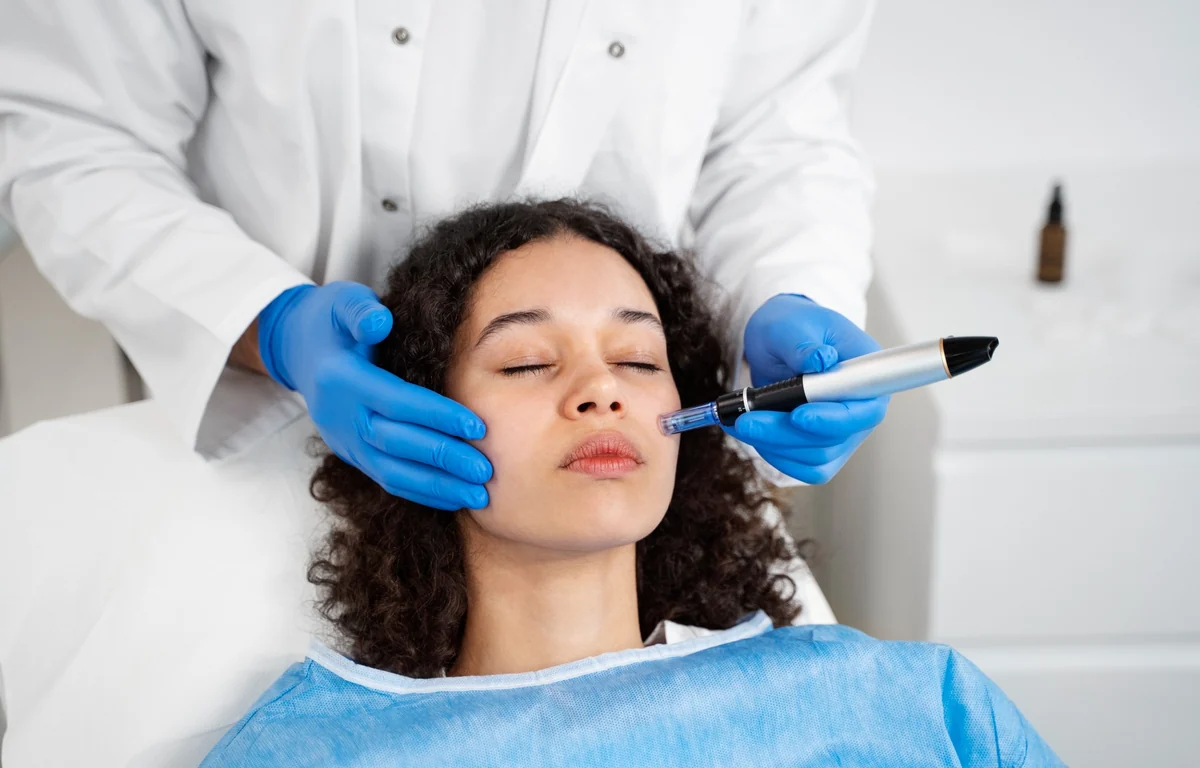
Zabiegi z wykorzystaniem własnego osocza pacjenta często przedstawia się jako „naturalne odmładzanie”, ale w medycynie estetycznej warto patrzeć na nie bardziej trzeźwo. Mikronakłuwanie z PRP lub PRF nie jest magicznym sposobem na szybką zmianę wyglądu twarzy, lecz metodą stopniowej poprawy jakości skóry, jej struktury, drobnych zmarszczek i wybranych typów blizn.
PRP to platelet-rich plasma, czyli osocze bogatopłytkowe. Otrzymuje się je z krwi pacjenta po odwirowaniu: w preparacie koncentrują się płytki krwi oraz związane z nimi czynniki wzrostu. PRF to platelet-rich fibrin, czyli fibryna bogatopłytkowa. To również preparat autologiczny, a więc materiał pochodzący z krwi samego pacjenta, ale zawierający matrycę fibrynową, która może zatrzymywać składniki komórkowe i stopniowo uwalniać substancje biologicznie czynne.
Samo słowo „autologiczny” często brzmi uspokajająco: jeśli preparat pochodzi z własnej krwi, może się wydawać, że ryzyko jest minimalne. To jednak nie do końca prawda. Bezpieczeństwo takiego zabiegu zależy nie tylko od pochodzenia materiału, ale też od sterylności, techniki wykonania, właściwej kwalifikacji pacjenta, głębokości działania, pielęgnacji pozabiegowej i realistycznych oczekiwań.
Jak działa połączenie mikronakłuwania z PRP lub PRF?
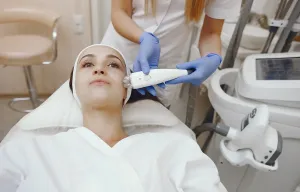
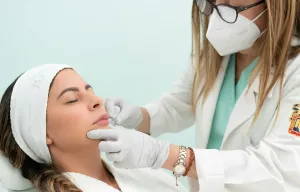
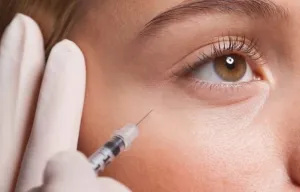
Mikronakłuwanie tworzy w skórze liczne kontrolowane mikrokanały za pomocą cienkich igieł. Dla tkanek jest to sygnał do regeneracji: uruchamiają się procesy gojenia, przebudowy kolagenu, odnowy macierzy międzykomórkowej i poprawy mikrokrążenia. Celem zabiegu nie jest „nakłucie skóry po to, by serum lepiej się wchłonęło”, lecz wywołanie kontrolowanej odpowiedzi tkanek na mikrouraz.
PRP lub PRF w takim zabiegu stosuje się jako dodatkowy komponent regeneracyjny. Logika tego połączenia jest prosta: stymulacja mechaniczna stwarza warunki do odnowy, a preparat płytkowy ma ten proces biologicznie wspierać. Dlatego takie metody często zalicza się do podejść biostymulujących lub regeneracyjnych.
W praktyce istnieje kilka sposobów wykorzystania preparatów płytkowych. Można je nakładać na skórę w trakcie lub po mikronakłuwaniu, podawać iniekcyjnie w wybrane obszary, łączyć z terapią w serii zabiegów albo stosować jako element szerszego planu korekcji. Wybór zależy od problemu: blizny potrądzikowe, cienka skóra, ziemisty koloryt, drobne zmarszczki, spadek jędrności czy nierówna struktura wymagają różnych strategii.
PRP i PRF są podobne w założeniu, ale nie są pełnymi synonimami. PRP zwykle kojarzy się z osoczem, w którym po odwirowaniu koncentrują się płytki krwi. PRF ma strukturę fibrynową, przez co może zachowywać się w tkankach inaczej. W opisach marketingowych bywa to przedstawiane jako „nowa generacja” albo „mocniejsza wersja”, ale trafniej mówić nie o uniwersalnej przewadze, lecz o różnych właściwościach i różnych protokołach.
| Parametr | PRP | PRF |
|---|---|---|
| Pełna nazwa | Platelet-rich plasma - osocze bogatopłytkowe | Platelet-rich fibrin - fibryna bogatopłytkowa |
| Pochodzenie | Własna krew pacjenta po przygotowaniu preparatu | Własna krew pacjenta po przygotowaniu preparatu |
| Kluczowa cecha | Frakcja osoczowa z koncentracją płytek krwi i czynników wzrostu | Matryca fibrynowa, która może zatrzymywać składniki komórkowe |
| Logika zastosowania | Wspomaganie regeneracji tkanek po mikrostymulacji | Stworzenie warunków do bardziej stopniowego, miejscowego uwalniania składników biologicznie czynnych |
| Co warto rozumieć | Jakość preparatu zależy od systemu przygotowania i protokołu | Nie można automatycznie zakładać, że PRF jest lepszy dla każdego pacjenta i każdego wskazania |
Jednocześnie dodanie PRP lub PRF nie gwarantuje lepszego efektu w każdym przypadku. Znaczenie mają stan skóry, wiek, fototyp, rodzaj blizn lub zmarszczek, głębokość mikronakłuwania, sposób przygotowania preparatu, liczba zabiegów, odstępy między nimi oraz doświadczenie specjalisty. Nawet dobrze wykonany zabieg nie działa tak samo u wszystkich, dlatego uczciwa konsultacja jest ważniejsza niż atrakcyjna nazwa metody.
Kiedy takie połączenie może mieć sens?
Najczęściej mikronakłuwanie z PRP lub PRF rozważa się w celu poprawy jakości skóry. Nie chodzi tu o zmianę rysów twarzy, lecz o stopniową pracę nad teksturą, gęstością, ziemistym kolorytem, drobnymi zmarszczkami i nierówną powierzchnią skóry. To podejście bardziej przypomina długofalową terapię jakości tkanek niż zabieg dający natychmiastowy efekt wizualny.
Osobnym obszarem zainteresowania są zanikowe blizny potrądzikowe. Samo mikronakłuwanie od dawna stosuje się w pracy z takimi bliznami, ponieważ uruchamia przebudowę tkanek. Dodanie PRP lub PRF może być zasadne wtedy, gdy lekarz chce wzmocnić potencjał regeneracyjny zabiegu, skrócić okres podrażnienia albo uzyskać wyraźniejszą poprawę tekstury.
Przy bliznach potrądzikowych ważne jest, by nie obiecywać pacjentowi całkowitego „wymazania” śladów. Blizny zanikowe mogą różnić się kształtem, głębokością i gęstością. Jedne lepiej reagują na mikronakłuwanie, inne wymagają subcyzji, metod laserowych, chemicznej rekonstrukcji blizn albo planu łączonego. PRP czy PRF mogą być w takim przypadku częścią schematu, ale nie zawsze jego głównym elementem.
Zabieg można też rozważyć przy:
- matowej skórze, która wygląda na zmęczoną;
- drobnych zmarszczkach bez wyraźnego opadania tkanek;
- nierównym mikroreliefie skóry;
- śladach po trądziku i powierzchownych zmianach bliznowatych;
- spadku jędrności skóry bez potrzeby korekcji objętościowej;
- pogorszeniu tekstury po okresach stresu, odchudzania lub agresywnej pielęgnacji;
- potrzebie łagodnego podejścia w serii zabiegów, gdy pacjent nie chce gwałtownej zmiany wyglądu.
U pacjenta z bliznami potrądzikowymi głównym celem często nie jest „odmłodzenie”, lecz wyrównanie powierzchni skóry. W takiej sytuacji lekarz powinien ocenić typ blizn: ice pick, boxcar, rolling lub formy mieszane reagują na zabiegi w różny sposób. Mikronakłuwanie z PRP lub PRF może być zasadne dla poprawy tekstury, ale głębokie blizny często wymagają terapii łączonej.
U pacjenta po szybkim odchudzaniu lub zmianie masy ciała potrzeba bywa formułowana jako „przywrócenie gęstości skóry”. W takiej sytuacji mikronakłuwanie z PRP lub PRF może być jedną z opcji wspierających jakość tkanek, ale nie rozwiązuje problemu nadmiaru skóry i nie zastępuje metod działających na głębsze warstwy lub objętość. Szerzej o takich zmianach pisaliśmy już w materiale o jakości skóry po szybkim odchudzaniu.
Po pojawieniu się leków wspomagających redukcję masy ciała, w tym GLP-1, w kosmetologii przybyło pytań nie tylko o korekcję objętościową, ale też o jakość skóry. W takich przypadkach ważne jest, by nie zastępować jednego problemu innym: jeśli występuje deficyt objętości, mikronakłuwanie go nie przywróci; jeśli chodzi o utratę jędrności i matowość, zabiegi wykonywane w serii mogą mieć sens. Ten kontekst wiąże się z szerszym tematem GLP-1 i zmian twarzy w medycynie estetycznej.
U pacjenta z pierwszymi oznakami starzenia sytuacja wygląda inaczej. Jeśli nie ma wyraźnego opadania tkanek, głębokich bruzd ani znacznego ubytku objętości, a główny problem dotyczy matowości, drobnych zmarszczek i tekstury, mikronakłuwanie z PRP lub PRF może być logicznym wyborem. Ale nawet wtedy efekt będzie stopniowy, a nie natychmiastowy.
Jednocześnie mikronakłuwania z PRP lub PRF nie należy traktować jako alternatywy dla wypełniaczy, liftingu chirurgicznego czy technologii urządzeniowych działających na głębsze struktury. Jeśli problem wiąże się z wyraźnym deficytem objętości, znacznym nadmiarem skóry, głębokimi bruzdami lub przemieszczeniem tkanek, oczekiwanie radykalnego efektu po tym zabiegu byłoby nieuczciwe. Dobrze wpisuje się to w szerszą rozmowę o granicach kosmetologii iniekcyjnej: nie każdy problem estetyczny da się rozwiązać jednym modnym zabiegiem.
Jest jeszcze jedna ważna kwestia: mikronakłuwanie z preparatami płytkowymi nie powinno stawać się uniwersalną odpowiedzią na każdy problem estetyczny. Jeśli pacjenta niepokoi przebarwienie, aktywny trądzik, trądzik różowaty, uszkodzona bariera skórna lub przewlekłe podrażnienie, najpierw trzeba zająć się główną przyczyną. W przeciwnym razie zabieg może nie tylko nie przynieść oczekiwanego efektu, ale wręcz pogorszyć stan skóry.
Co mówią badania i dlaczego wyniki mogą się różnić?
W literaturze naukowej mikronakłuwanie, PRP i PRF są intensywnie badane w kontekście blizn potrądzikowych, odmładzania skóry, poprawy tekstury i regeneracji tkanek. Ogólny wniosek można określić jako ostrożnie pozytywny: u części pacjentów takie metody mogą dawać zauważalną poprawę powierzchni skóry, jej jakości i satysfakcji z efektu.
W przeglądach systematycznych dotyczących PRP w leczeniu blizn potrądzikowych autorzy zwykle podkreślają potencjalne korzyści z łączenia go z mikronakłuwaniem lub metodami laserowymi, ale zwracają też uwagę na różnice między protokołami i potrzebę lepszych badań. Innymi słowy, kierunek wydaje się obiecujący, ale nie na tyle ustandaryzowany, by wyniki wszystkich prac można było wprost przenosić na każdą sytuację kliniczną.
W publikacjach o PRF akcent często przesuwa się na matrycę fibrynową i możliwość bardziej stopniowego uwalniania składników biologicznie czynnych. Jednak baza dowodowa dotycząca PRF w różnych wskazaniach estetycznych nadal jest niejednorodna. Dla pacjenta oznacza to prostą rzecz: określenie „nowsza metoda” nie zawsze znaczy „lepsza metoda właśnie dla mnie”.
Jest jednak ważne „ale”: protokoły bardzo się różnią. W jednych badaniach stosuje się PRP, w innych PRF albo iniekcyjną formę PRF. Różnią się wirówki, prędkość i czas odwirowania, stężenie płytek krwi, technika aplikacji lub podania preparatu, głębokość igieł, liczba przejść, odstępy między sesjami oraz kryteria oceny efektu.
To szczególnie ważne w przypadku PRP. W różnych klinikach pod tą samą nazwą mogą kryć się różne preparaty: o innym stężeniu płytek krwi, różnej liczbie leukocytów, innej objętości osocza i przygotowywane w różnych systemach. Dla pacjenta wszystko to może brzmieć tak samo - „osocze z własnej krwi” - ale dla efektu takie różnice mają znaczenie.
W przypadku PRF sytuacja również nie jest tak prosta. Matryca fibrynowa wygląda obiecująco, ponieważ może tworzyć inne środowisko dla stopniowego uwalniania składników biologicznie czynnych. Nie oznacza to jednak, że PRF automatycznie jest lepszy od PRP dla każdej okolicy i każdego problemu. Dla niektórych wskazań więcej danych zgromadzono dla PRP, dla innych aktywnie bada się PRF, a w części obszarów baza dowodowa nadal pozostaje niejednorodna.
Z tego powodu nie można uczciwie powiedzieć, że istnieje jeden uniwersalny protokół „mikronakłuwanie plus PRP” albo „mikronakłuwanie plus PRF”, który działa tak samo u wszystkich. W realnej praktyce jeden pacjent może uzyskać wyraźną poprawę tekstury, a inny tylko umiarkowany efekt. I nie zawsze oznacza to, że zabieg został wykonany źle. Często przyczyna leży w indywidualnej reakcji tkanek, rodzaju problemu i wyjściowym stanie skóry.
Równie ważna jest właściwa ocena efektu. Po pierwszym zabiegu pacjent może zauważyć chwilowy blask lub poprawę wynikającą z reakcji tkanek i intensywniejszej pielęgnacji, ale trwalsze zmiany tekstury pojawiają się wolniej. Przebudowa kolagenu nie jest procesem natychmiastowym. Dlatego między zabiegiem a końcową oceną musi upłynąć odpowiedni czas.
W pierwszych dniach po zabiegu wygląd skóry może się zmieniać z powodu obrzęku, zaczerwienienia, intensywnego nawilżenia i przejściowej reakcji tkanek. Nie należy mylić tego z trwałym efektem. Po 2-4 tygodniach można ocenić regenerację i ogólną tolerancję, a bardziej miarodajne wnioski dotyczące tekstury, drobnych zmarszczek czy blizn zwykle wyciąga się po zakończeniu serii i po odpowiednio długim czasie.
W przypadku blizn potrądzikowych szczególnie ważne jest, by nie sugerować się zdjęciami „od razu po”. Taki obraz może pokazywać obrzęk, wygładzenie wynikające z reakcji tkanek albo różnicę w oświetleniu. Rzetelna ocena powinna opierać się na takich samych warunkach fotografowania, porównaniu przed i po serii zabiegów oraz na realistycznej skali poprawy, a nie na obietnicy idealnie gładkiej skóry.
Najbardziej realistycznie jest traktować ten zabieg jako metodę wykonywaną w serii. Zwykle nie chodzi o jedną procedurę, po której skóra nagle się zmienia, lecz o serię zabiegów z narastającym stopniowo efektem. W przypadku blizn potrądzikowych na przykład często potrzebny jest dłuższy plan korekcji, czasem z połączeniem kilku metod.
Właśnie dlatego ważne jest, by lekarz lub kosmetolog nie sprzedawał zabiegu jako odrębnej usługi „na dziś”, lecz wyjaśniał jego miejsce w całym planie. Pacjent powinien rozumieć, co dokładnie jest oceniane: głębokość blizn, napięcie skóry, tekstura, drobne zmarszczki, jednolitość skóry czy subiektywne poczucie świeżości. Bez takiego kryterium łatwo o rozczarowanie nawet po technicznie prawidłowo przeprowadzonej serii.
Jakie ograniczenia i ryzyka trzeba wziąć pod uwagę?
Mikronakłuwanie z PRP lub PRF wygląda na „naturalny” zabieg, bo wykorzystuje się własną krew pacjenta. Ale naturalne pochodzenie preparatu nie eliminuje ryzyka medycznego. To procedura naruszająca ciągłość skóry, związana z pracą z krwią i wymagająca zachowania sterylności.
Po zabiegu mogą wystąpić zaczerwienienie, obrzęk, pieczenie, nadwrażliwość, suchość, łuszczenie albo przejściowe nasilenie zmian zapalnych. W większości przypadków są to reakcje spodziewane i stopniowo ustępują. Jednak przy nieprawidłowej technice, zbyt dużej głębokości działania, słabej sterylności albo niewłaściwej pielęgnacji domowej ryzyko rośnie.
Do możliwych powikłań należą:
- powikłania infekcyjne;
- przebarwienia pozapalne;
- przedłużające się zaczerwienienie;
- podrażnienie lub reakcja alergiczna na preparaty nałożone po zabiegu;
- zaostrzenie opryszczki u pacjentów ze skłonnością;
- pogorszenie stanu skóry przy aktywnym trądziku lub stanie zapalnym;
- zmiany bliznowate przy zbyt agresywnym lub nieprofesjonalnym wykonaniu;
- nierównomierny efekt przy nieprawidłowym doborze głębokości lub obszarów zabiegowych.
Na szczególną uwagę zasługują przebarwienia pozapalne. U pacjentów z wyższymi fototypami, skłonnością do przebarwień albo świeżą opalenizną każdy uraz skóry może wiązać się z większym ryzykiem. Nie oznacza to, że zabiegu zawsze nie można wykonać, ale że potrzebny jest większy poziom ostrożności, odpowiednie przygotowanie i ścisła ochrona przeciwsłoneczna po zabiegu.
Zabieg można odroczyć przy aktywnej infekcji, nasilonym stanie zapalnym skóry, aktywnej opryszczce, zaburzeniach krzepnięcia krwi, przyjmowaniu niektórych leków, skłonności do blizn keloidowych, w ciąży lub w innych stanach, które lekarz uzna za przeciwwskazanie. Dlatego konsultacja przed zabiegiem nie powinna być formalnością, lecz pełną oceną ryzyka.
Są sytuacje, w których mikronakłuwanie z PRP lub PRF może być przedwczesne albo po prostu nieodpowiednie. Na przykład przy aktywnym trądziku z wyraźnym stanem zapalnym najpierw rozsądniej jest opanować wysiew zmian. Przy trądziku różowatym w fazie zaostrzenia zabieg urazowy może nasilić reaktywność. Przy uszkodzonej barierze skórnej, pieczeniu, łuszczeniu i stałym podrażnieniu najpierw trzeba odbudować podstawowy stan skóry.
Nie mniej ważne jest rozpoznanie sytuacji, w których pacjent oczekuje od zabiegu czegoś, czego ten zabieg nie może dać. Mikronakłuwanie z PRP lub PRF nie usunie nadmiaru skóry, nie zastąpi wypełniaczy przy deficycie objętości, nie uniesie tkanek jak operacja chirurgiczna i nie gwarantuje całkowitego zniknięcia blizn. W takich przypadkach uczciwiej jest omówić inny plan albo podejście łączone.
Równie ważne pytanie dotyczy tego, jakie preparaty nakłada się na skórę w trakcie i po zabiegu. Po mikronakłuwaniu bariera skórna jest czasowo naruszona, dlatego agresywne substancje aktywne, niesterylne sera, kwasy, retinoidy albo przypadkowe „koktajle” mogą wywołać podrażnienie. W profesjonalnym protokole powinno być jasno określone, co dokładnie jest stosowane, po co i czy dany preparat jest przeznaczony do aplikacji na uszkodzoną skórę.
Osobnym czynnikiem bezpieczeństwa jest ogólny poziom organizacji zabiegu. Współczesna medycyna estetyczna stopniowo zmierza w stronę dokładniejszej oceny ryzyka, bardziej precyzyjnych protokołów i lepszego wyjaśniania pacjentowi, co dokładnie się dzieje. Pisaliśmy już o tym na przykładzie USG przed podaniem wypełniaczy: sama technologia może być różna, ale zasada pozostaje ta sama - mniej przypadkowości, więcej kontroli.
Szczególną ostrożność należy zachować wobec domowych dermarollerów i zabiegów „jak w klinice”, oferowanych bez nadzoru medycznego. Mikronakłuwanie z preparatami krwiopochodnymi nie powinno być wykonywane w warunkach, w których nie ma jasnego protokołu sterylności, jednorazowych materiałów, prawidłowego przygotowania skóry i odpowiedzialności po stronie specjalisty.
Domowe mikronakłuwanie bywa bagatelizowane, bo samo narzędzie wygląda na proste. Problem nie dotyczy jednak wyłącznie głębokości igieł. Ryzyko stwarzają ponowne używanie rollera, niewłaściwa dezynfekcja, urazowanie obszarów objętych stanem zapalnym, nakładanie nieodpowiednich preparatów i brak świadomości, kiedy zabiegu w ogóle nie należy wykonywać. Dla skóry może się to skończyć nie odmłodzeniem, lecz podrażnieniem, przebarwieniami albo bliznami.
Jak powinna wyglądać prawidłowa konsultacja i przygotowanie?
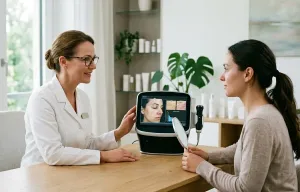
Dobra konsultacja przed mikronakłuwaniem z PRP lub PRF nie zaczyna się od obietnicy „odmłodzenia twarzy”, lecz od wyjaśnienia, po co dokładnie ten zabieg jest potrzebny konkretnemu pacjentowi. Specjalista powinien ocenić skórę, wywiad medyczny, rodzaj problemu, oczekiwania, ryzyko przebarwień, skłonność do bliznowacenia i możliwe przeciwwskazania.
Podczas konsultacji ważne jest oddzielenie życzeń pacjenta od realnych wskazań. Sformułowanie „chcę wyglądać świeżej” może oznaczać różne rzeczy: suchość, matowość, utratę objętości, przebarwienia, blizny, drobne zmarszczki albo zmęczenie wynikające ze stylu życia. Mikronakłuwanie z PRP czy PRF może odpowiadać na część tych potrzeb, ale nie na wszystkie jednocześnie.
Przed zabiegiem warto zadać kilka prostych pytań:
- jaki dokładnie problem próbujemy rozwiązać;
- dlaczego wybrano PRP lub PRF, a nie inną metodę;
- ile zabiegów może być potrzebnych;
- jakiego efektu można realnie oczekiwać;
- po jakim czasie oceniać rezultat;
- jakie reakcje po zabiegu są normalne, a które wymagają kontaktu z lekarzem;
- w jaki sposób przygotowuje się preparat z krwi;
- które materiały są jednorazowe;
- jak będzie wyglądać pielęgnacja domowa po zabiegu;
- czy potrzebna jest dokumentacja fotograficzna przed i po serii.
Przygotowanie może obejmować czasowe odstawienie agresywnych substancji aktywnych w pielęgnacji domowej, ocenę ryzyka opryszczki, doprecyzowanie, jakie leki przyjmuje pacjent, oraz zaplanowanie zabiegu tak, by był czas na regenerację. Jeśli na skórze występuje aktywny stan zapalny, podrażnienie albo uszkodzenie bariery, czasem rozsądniej jest najpierw ustabilizować sytuację, a nie od razu wykonywać zabieg stymulujący.
Po zabiegu skóra wymaga prostej i ostrożnej pielęgnacji. Zwykle nacisk kładzie się na odbudowę bariery, nawilżenie, ochronę przeciwsłoneczną i unikanie czynników drażniących. W pierwszych dniach nie należy samodzielnie włączać kwasów, retinoidów, peelingów, preparatów alkoholowych ani aktywnych serów, jeśli specjalista nie uwzględnił ich w protokole.
Warto też wcześniej omówić społeczny okres rekonwalescencji. Zaczerwienienie i obrzęk mogą być wyraźnie widoczne, nawet jeśli z medycznego punktu widzenia wszystko przebiega prawidłowo. Jeśli pacjent planuje ważne spotkanie, sesję zdjęciową albo wyjazd, lepiej nie umawiać zabiegu tuż przed takim wydarzeniem.
Jak pacjent powinien ocenić propozycję zabiegu?
Ważnym sygnałem profesjonalnego podejścia jest ostrożność w formułowaniu obietnic. Jeśli pacjent słyszy o „nowej skórze”, „minus dziesięć lat”, „całkowitym zniknięciu blizn” albo „absolutnie bezpiecznym zabiegu bez ryzyka”, to powinno wzbudzić czujność. We współczesnej medycynie estetycznej uczciwe oczekiwania są nie mniej ważne niż sama metoda.
Dobry specjalista nie nalega na zabieg u każdego. Może powiedzieć, że najpierw trzeba wyleczyć trądzik, odbudować barierę, skorygować pielęgnację domową, ustabilizować przebarwienia albo wybrać inną metodę. To nie słabość podejścia, lecz znak, że pacjenta nie dopasowuje się na siłę do gotowej usługi.
Niepokój powinny budzić propozycje, w których nie wyjaśnia się protokołu, nie omawia przeciwwskazań, nie zbiera wywiadu, nie pokazuje materiałów jednorazowych albo nie tłumaczy, co zostanie nałożone na skórę po mikronakłuwaniu. Podobnie warto zachować ostrożność, jeśli zabieg przedstawia się jako całkowicie bezpieczny tylko dlatego, że wykorzystuje własną krew pacjenta.
Prawidłowa propozycja brzmi inaczej: jest konkretny problem, jest powód wyboru właśnie tej metody, jest przewidywany zakres efektu, jest plan zabiegów, są ograniczenia, jest pielęgnacja po interwencji i są kryteria, według których będzie oceniany rezultat. Takie podejście może mniej efektownie wyglądać w reklamie, ale dla pacjenta jest znacznie korzystniejsze.
Mikronakłuwanie z PRP lub PRF może być przydatnym narzędziem w pracy nad jakością skóry, drobnymi oznakami starzenia i bliznami potrądzikowymi. Jego siła nie tkwi jednak w głośnych obietnicach, lecz w prawidłowej kwalifikacji pacjentów, sterylnym wykonaniu, przemyślanym protokole i rozumieniu ograniczeń tej metody. Najlepsze efekty zwykle pojawiają się wtedy, gdy zabieg jest częścią planu, a nie przypadkową modną usługą.