





Dopo un peeling o un trattamento laser, la pelle può comportarsi diversamente rispetto ai giorni normali: possono comparire tensione, bruciore, secchezza, sensibilità aumentata e desquamazione. In questi momenti, si è tentati di "fare qualcosa subito", ma il miglior approccio è un trattamento calmo e prevedibile. L'acido ialuronico (HA) può essere utile, ma è fondamentale sapere quando introdurlo e quale formula scegliere.
Se hai bisogno di un contesto di base sull'HA (forme, cura, procedure), inizia con il materiale principale del cluster: Acido ialuronico: guida completa per la pelle, le procedure e l'uso sicuro.
Breve guida per giorni: 0-24, 24-72, 72+
- 0-24 ore: uso minimo di prodotti, senza attivi e prodotti "acidi", senza sfregamenti e scrub, SPF se esposto al sole.
- 24-72 ore: se non ci sono essudati o dolore intenso, si può aggiungere HA in uno strato sottile e coprire con crema.
- 72+ ore: ritorno graduale alla routine, attivi solo se non ci sono bruciore, desquamazione attiva e sensibilità aumentata.
Cosa è normale sentire e cosa no
- Di solito normale: secchezza moderata, leggero calore, desquamazione leggera, sensibilità aumentata all'acqua.
- Meglio non ignorare: dolore crescente, gonfiore, essudazione, aumento improvviso del rossore, aree "calde", elementi purulenti.
Se anche l'acqua o una semplice crema causano bruciore, è un segnale per fare un passo indietro e non sperimentare con nuovi prodotti.
Valuta la reazione della pelle - è più importante del nome della procedura
Lo stesso peeling può dare sensazioni diverse a due persone. Quindi, non basarti solo sul nome della procedura, ma su come si sente la tua pelle ora.
- Reazione leggera: lieve secchezza, rossore minimo. Spesso l'HA può essere introdotto prima (in assenza di bruciore ed essudazione).
- Reazione media: secchezza evidente, desquamazione, sensibilità all'acqua. Il regime di recupero deve essere più semplice, HA - solo in uno strato sottile e con crema sopra.
- Reazione forte: bruciore pronunciato, dolore, gonfiore, essudazione. Meglio seguire il protocollo dello specialista e, se peggiora, chiedere aiuto.
Quando usare l'acido ialuronico dopo peeling e laser
Non esiste una risposta universale per tutti i casi, poiché i protocolli variano. Ma c'è un principio pratico: più "aggressiva" è la procedura e più forte è la reazione della pelle, più cauto e minimalista deve essere il recupero. In caso di dubbi, segui le raccomandazioni del tuo specialista.
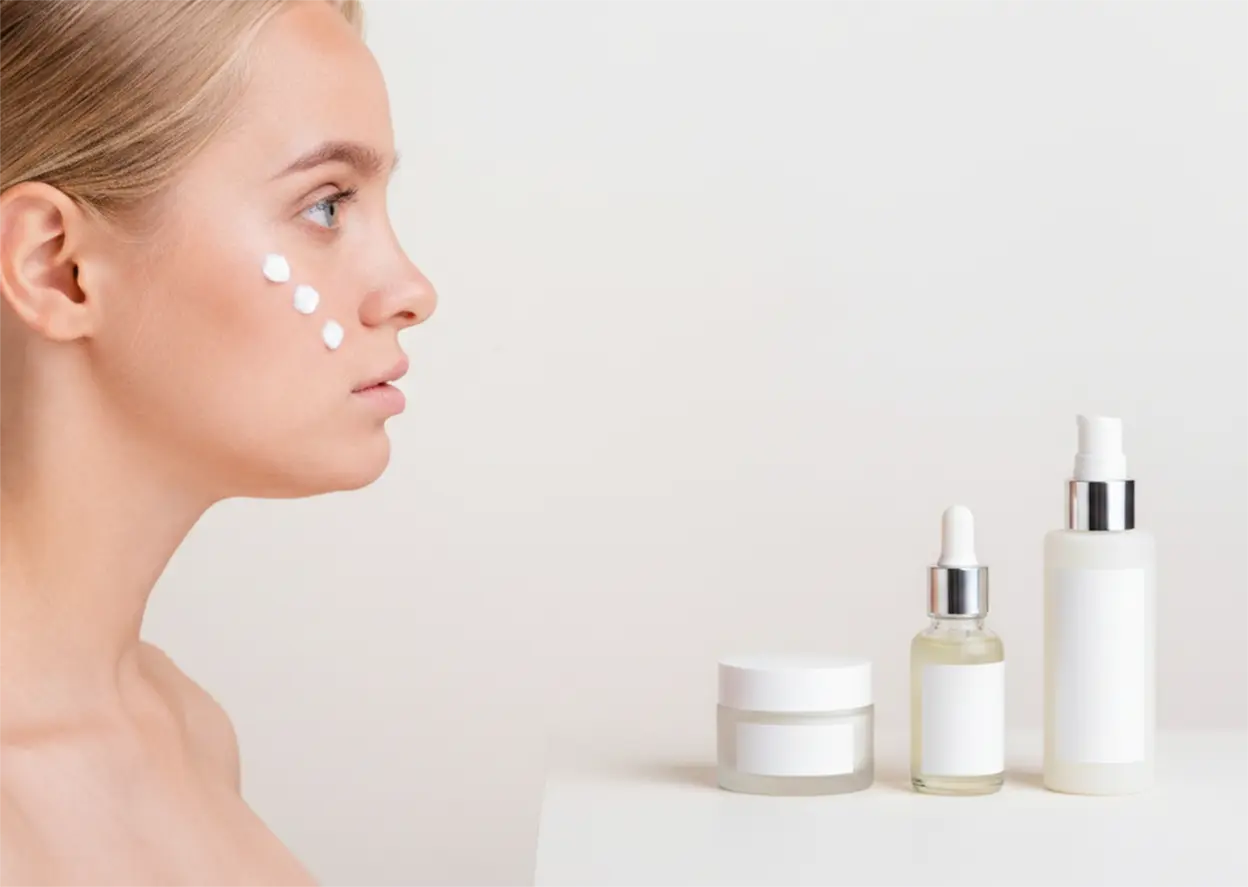
Prime 24 ore: cosa è meglio non applicare
Nel primo giorno dopo la procedura, la pelle può essere "calda", irritata o dolorante. In questo periodo, è meglio evitare strati e attivi superflui. Se lo specialista non ha consigliato diversamente, si punta solitamente su una pulizia delicata (o la sua assenza nelle prime ore), un semplice prodotto lenitivo e SPF se esposto al sole.
24-72 ore: quando l'HA è appropriato
Se non ci sono essudati, bruciore pronunciato, aumento del rossore o dolore, l'HA può spesso essere introdotto come uno strato idratante leggero per ridurre la tensione. Importante: applicare in uno strato sottile e coprire con crema. Schema di applicazione dettagliato nell'articolo Come applicare correttamente l'acido ialuronico: per idratare senza tirare.
Dopo 72 ore: ritorno alla routine abituale
Quando la sensibilità acuta diminuisce, si può gradualmente tornare ai passaggi di cura abituali. Ma gli attivi (retinoidi, acidi) vanno introdotti non "a calendario", ma in base alla sensazione della pelle: se è ancora desquamata, brucia o reagisce all'acqua, è presto.
Quando è meglio non usare temporaneamente l'HA
- Ci sono essudati, crepe con secrezioni o superficie della pelle "umida".
- Ci sono dolori intensi o un peggioramento improvviso dei sintomi ogni ora.
- Il bruciore è così pronunciato che qualsiasi prodotto "brucia" subito dopo l'applicazione.
- Si sospetta un'infezione o una reazione allergica (gonfiore, orticaria, elementi purulenti).
In questi casi, è meglio tornare al protocollo dello specialista e chiedere una consulenza.
Cosa preparare in anticipo: kit di recupero
- Detersione delicata senza tensioattivi aggressivi e profumi forti.
- Crema barriera semplice (senza profumi) che non pizzica.
- HA in formula minimalista, da applicare in uno strato sottile.
- SPF che non causa bruciore o che tolleri bene.
- Mist o toner senza alcol (se necessario) per applicare l'HA su pelle leggermente umida.
Come ripristinare la barriera dopo le procedure
Dopo le procedure, la barriera può essere temporaneamente indebolita. Ciò significa che la pelle perde umidità più rapidamente, reagisce più fortemente agli irritanti e tollera meno bene le formule complesse. Quindi, la strategia per i primi giorni è: minimo prodotti, massimo prevedibilità.
Principio "meno è meglio" nei primi giorni
Meglio 2-3 prodotti semplici che 7 "utili". Più strati ci sono, maggiore è il rischio di irritazione o di non capire cosa ha causato una reazione negativa.
HA + crema: schema di recupero di base
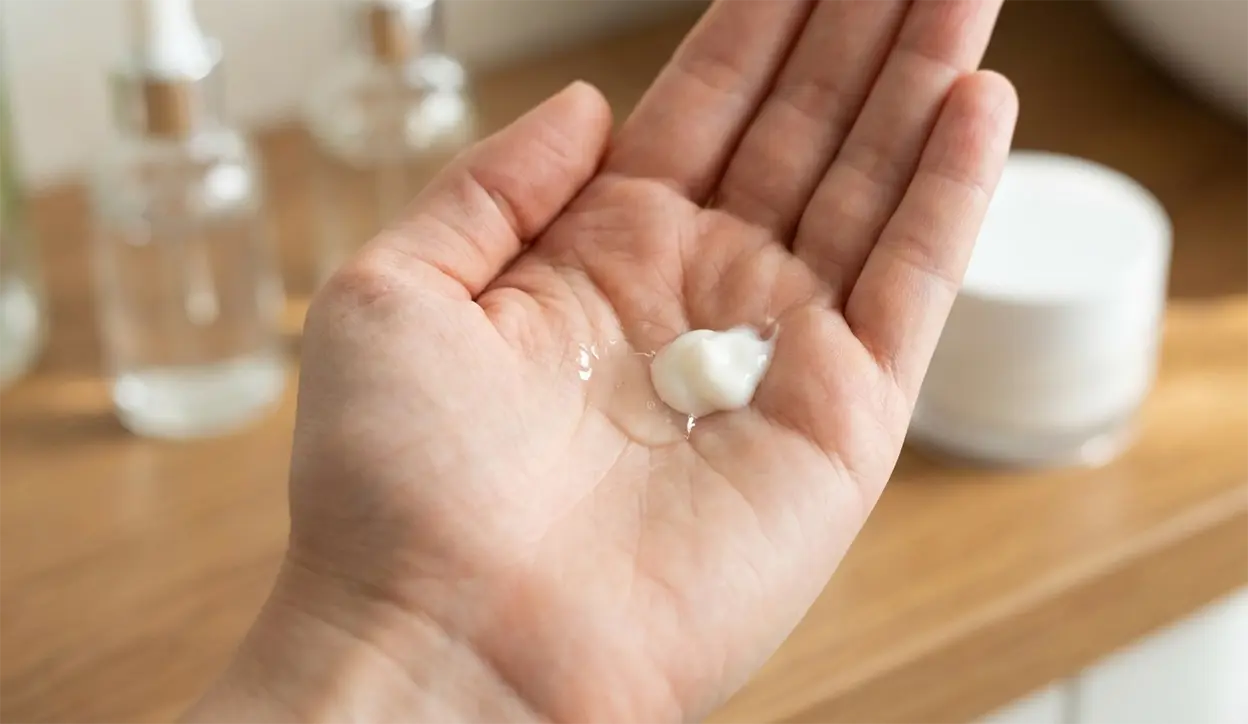
Spesso funziona così: pelle leggermente umida - HA in uno strato sottile - crema per trattenere l'umidità. Se la pelle è più grassa o incline ai comedoni, scegli una crema leggera o un fluido. Se la pelle è secca o "brucia", potrebbe essere necessario una crema più barriera. Selezione per tipi di pelle nel materiale Acido ialuronico per diversi tipi di pelle: secca, grassa, sensibile, mista.
Ceramidi, pantenolo, emollienti: cosa aiuta davvero
Dopo le procedure, funzionano bene i componenti barriera (ceramidi) e gli ingredienti lenitivi o riparatori (pantenolo) in formule semplici. Gli emollienti aggiungono comfort e riducono la perdita di umidità. La chiave è il minimalismo e l'assenza di profumi, oli essenziali e attivi aggressivi in questi giorni.
Tabella: passaggi di base dopo diverse procedure
| Procedura | 0-24 ore | 24-72 ore | Quando non aspettare e consultare |
|---|---|---|---|
| Peeling chimico | Senza attivi e sfregamenti, pulizia delicata o pausa, crema semplice | HA in strato sottile + crema, SPF, non staccare la desquamazione | Dolore o gonfiore crescente, essudazione, aumento improvviso del rossore |
| Procedure laser | Regime molto delicato, protezione solare, formule minimaliste | HA in assenza di essudazione + crema barriera, SPF, minimo strati | Sospetto di infezione, elementi purulenti, gonfiore intenso, aree "calde" |
| Microdermoabrasione o levigatura | Niente che "pizzica", senza scrub e acidi, crema semplice | HA + crema, osservare la reazione, SPF | Bruciore persistente, eruzione tipo dermatite, croste con peggioramento |
Quali formule scegliere dopo le procedure
Formule minimaliste senza profumi e alcol
Dopo laser o peeling, la pelle può reagire anche a ciò che normalmente tollerava. Pertanto, si preferiscono formule senza profumi, oli essenziali, additivi "rinfrescanti" e alto contenuto di alcol.
Gel o siero vs crema: cosa è meglio nei diversi giorni
Nei primi giorni, spesso sono più confortevoli le texture leggere, ma devono essere coperte con crema. Se la pelle è molto secca, a volte è meglio passare subito a una crema barriera e aggiungere l'HA più tardi, quando la reattività diminuisce. Se ti preoccupa l'appiccicosità o la "pellicola", può essere utile il materiale sul peso molecolare: Acido ialuronico a basso e alto peso molecolare: qual è la differenza.
Cosa evitare: acidi, retinoidi, scrub
Mentre la pelle si sta riprendendo attivamente, è meglio evitare esfolianti, retinoidi, scrub, spazzole e altre azioni potenzialmente irritanti. Il ritorno agli attivi va fatto gradualmente, quando non ci sono bruciore, essudazione e desquamazione pronunciata.
Come reintrodurre gli attivi: una semplice "scala"
- Passo 1: introdurre un attivo 1 volta ogni 3 giorni, in strato sottile, su pelle completamente calma.
- Passo 2: se 2-3 applicazioni sono passate senza bruciore e desquamazione, passare a un regime a giorni alterni.
- Passo 3: solo se la pelle è stabile, si può tornare alla frequenza che avevi prima della procedura.
Patch test dopo le procedure: un modo semplice per non rovinare il recupero
Se hai dubbi su un nuovo prodotto, testalo su una piccola area (ad esempio, vicino alla linea della mascella). Applica uno strato sottile e valuta la reazione entro 12-24 ore. È banale, ma spesso salva da irritazioni inutili.
Laser, peeling chimico, procedure meccaniche - dettagli
Laser: secchezza, sensibilità, protezione solare
Dopo il laser, l'SPF non è un'opzione, ma una base. Anche se non senti il sole, i raggi UV possono aumentare l'irritazione e il rischio di pigmentazione. Se l'SPF pizzica, spesso significa che la barriera è ancora molto vulnerabile: prova un SPF minimalista senza profumi, applica in strato sottile e testalo su una piccola area.
Peeling: desquamazione e scelta delle texture
La desquamazione è una reazione normale frequente, ma non dovresti "aiutarla" con scrub. L'HA leggero può ridurre la tensione, ma la chiave sarà una crema che trattiene l'umidità e supporta la barriera.
Microdermoabrasione o levigatura: cautela con il "pizzicare"
Se un prodotto pizzica, è un segnale per fermarsi e tornare a una formula più semplice. Dopo le procedure meccaniche, la pelle può temporaneamente reagire a ciò che di solito andava bene.
"Bandierine rosse": quando è necessario un medico
- Dolore crescente, gonfiore o rossore che aumenta invece di diminuire.
- Essudazione, elementi purulenti, odore sgradevole, sospetto di infezione.
- Prurito intenso, orticaria, gonfiore del viso - possibili segni di reazione allergica.
- Disturbi nella guarigione, croste con peggioramento, peggioramento significativo del benessere.
FAQ
Si può usare l'HA subito dopo la procedura
Non sempre. Nelle prime ore è meglio seguire il protocollo dello specialista. Spesso l'HA è appropriato quando la reazione acuta diminuisce e non ci sono essudati o bruciore intenso.
Si può usare l'HA con pantenolo o ceramidi
Sì, è una delle combinazioni più pratiche per il recupero: HA come strato idratante e crema con ceramidi o pantenolo per supportare la barriera.
Quando reintrodurre retinoidi e acidi
Quando la pelle è calma: non ci sono bruciore, desquamazione attiva, essudazione e sensibilità pronunciata. Per un ritorno sicuro, usa la "scala" della frequenza.
È necessaria l'occlusione dopo il laser
A volte sì, se la pelle è molto secca e "tira". Ma se sei incline ai comedoni, è meglio usare gli occlusivi localmente o scegliere creme barriera più leggere.
Si può usare l'HA in caso di tendenza all'acne dopo le procedure
Di solito sì, ma scegli texture leggere ed evita occlusivi pesanti su tutto il viso. Materiale sull'HA per l'acne - qui: Acido ialuronico per l'acne: si può, e come non peggiorare la condizione della pelle.
Riassunto in 5 righe
Dopo le procedure, la pelle ha bisogno di un piano semplice, non di una decina di nuovi prodotti. Nelle prime 24 ore - minimo strati e nessun attivo. A 24-72 ore, l'HA può essere introdotto in uno strato sottile, se non ci sono essudati e dolore intenso, e deve essere coperto con crema. Gli attivi tornano gradualmente, quando la pelle è calma. Se qualcosa peggiora, non aspettare - consulta uno specialista.