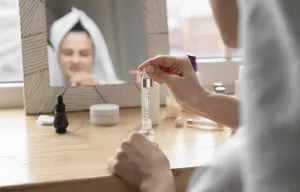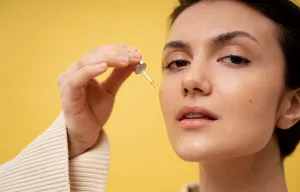






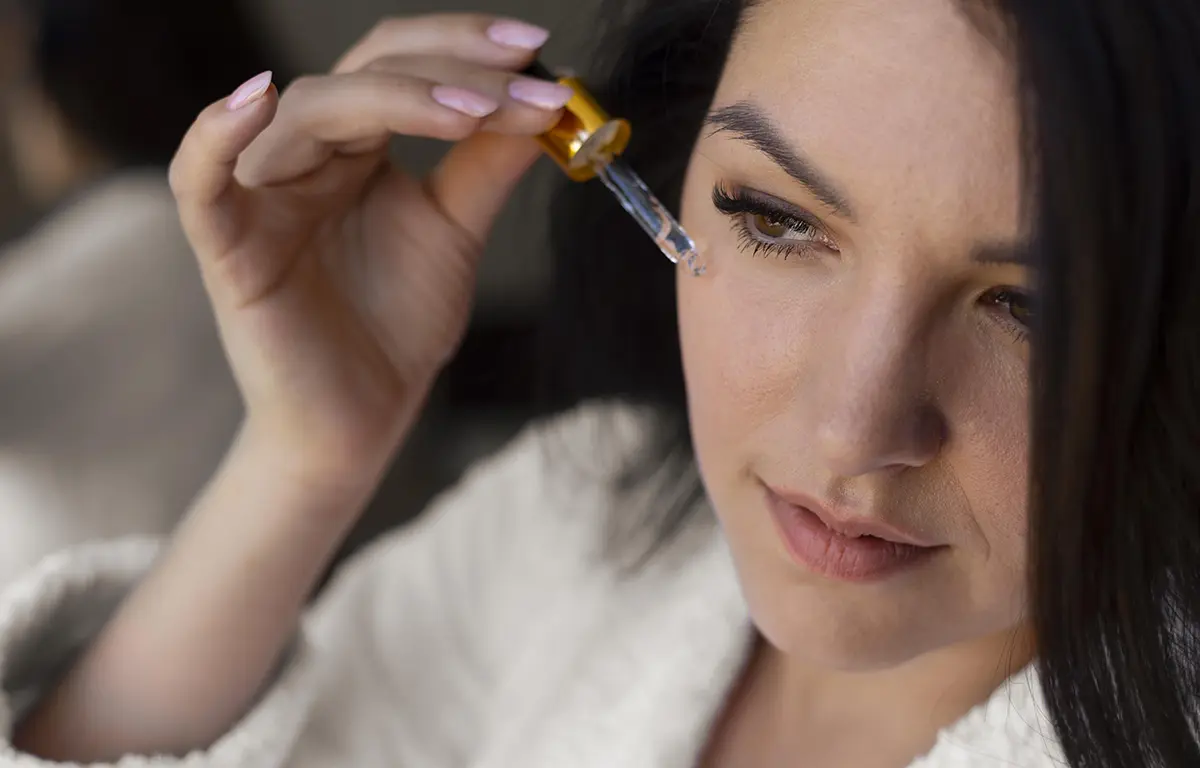
L'acido ialuronico (HA) è spesso incluso nella cura di base come "idratante numero uno". Ma proprio con esso molti sperimentano un paradosso: invece di comfort, si avverte tensione, appiccicosità o si arrotola sotto l'SPF. Nella maggior parte dei casi, il problema non è l'HA stesso, ma come viene applicato e con cosa viene "chiuso" sopra.
Se hai bisogno di un contesto di base sulle forme di HA, cosmetici e tecniche di iniezione, inizia con il materiale principale del cluster: Acido ialuronico: guida completa per la pelle, procedure e uso sicuro.
Perché l'acido ialuronico a volte dà una sensazione di secchezza o tensione
L'HA funziona come un idratante: attira l'acqua e aiuta a trattenerla negli strati superiori della pelle. Ma se la pelle ha poca umidità o l'aria è molto secca (riscaldamento in inverno, condizionatore), l'idratante può dare una sensazione di "essiccazione". Questo non significa che l'HA "asciughi" la pelle. Più spesso è un segnale che mancava acqua all'inizio o non c'era uno strato che aiutasse a trattenere l'umidità.
Ci sono conferme nei dati clinici che l'HA topico può migliorare i livelli di idratazione. In uno studio controllato con placebo, gli autori affermano: L'applicazione topica di tutte le formulazioni di HA allo 0,1% utilizzate in questo studio ha portato a un miglioramento significativo dell'idratazione e dell'elasticità della pelle.
(Pavicic et al., 2011; PubMed)
Le cause più comuni di tensione
- Applicazione su pelle secca dopo la detersione senza idratazione.
- Mancanza di crema sopra: l'HA è stato lasciato "solo", senza uno strato che trattiene l'umidità.
- Detersione troppo aggressiva, che indebolisce la barriera e aumenta il disagio.
- Aria secca e sbalzi di temperatura.
- Formula: base polimerica, alcol, profumi o combinazione sfortunata con altri prodotti.
"Pellicola" vs "tensione": come distinguere la sensazione
Pellicola - è la sensazione di un sottile strato sulla superficie, a volte con una leggera appiccicosità. È più spesso legata alla base della formula o alla quantità applicata. Tensione - è la sensazione di secchezza e il desiderio di "tirare" la pelle con una crema. Spesso si verifica quando l'HA è applicato su pelle secca o non coperta da crema, specialmente in aria secca.
Schema corretto: detersione → HA → crema
Il modo più stabile per evitare la tensione è applicare l'HA su pelle leggermente umida e sempre coprire con crema. Questo schema funziona per la maggior parte dei tipi di pelle e nella maggior parte delle stagioni.
Applicare su pelle umida o secca
Ottimale - su pelle leggermente umida. Può essere acqua dopo la detersione (non asciugare completamente) o toner/mist senza alcol. Se la pelle è già secca, si può leggermente umidificarla prima di applicare l'HA. Così si dà all'idratante il "materiale" per lavorare.

Quanto prodotto serve: perché "meno è meglio"
L'eccesso di siero aumenta il rischio di appiccicosità e arrotolamento. Per il viso di solito bastano 2-3 gocce o una quantità pari a un pisello. Applicare uno strato sottile e lasciare 20-40 secondi affinché il prodotto "si assesti" sulla pelle.
Con cosa "chiudere" sopra: crema, emollienti, occlusione
Dopo l'HA serve uno strato che aiuti a trattenere l'umidità. Più spesso è una crema con emollienti e supporto barriera. L'occlusione (balsami più densi) è appropriata per pelle molto secca o in inverno, ma può essere superflua per pelle grassa e incline ai comedoni.
Tabella: problemi comuni con HA e come risolverli rapidamente
| Cosa non va | Probabile causa | Cosa fare |
|---|---|---|
| Tensione | Applicato su pelle secca o non coperto da crema, aria secca | Applicare su pelle leggermente umida, coprire con crema; in inverno aggiungere crema barriera |
| Appiccicosità | Troppo prodotto o filmogeni nella formula | Ridurre la quantità, fare una pausa di 20-40 secondi; se persiste - cambiare prodotto o usare di sera |
| Arrotolamento sotto SPF | Troppi strati, conflitto di polimeri/siliconi | Strati più sottili, pause di 30-60 secondi, scegliere un altro SPF o un altro siero |
| Bruciore, rossore | Reazione a profumi, alcol o attivi nella routine | Sospendere, passare a una cura minimalista; se i sintomi persistono - consultare un dermatologo |
| Nessun effetto | Aspettative troppo alte o supporto barriera debole | Aggiungere crema con ceramidi/emollienti, rivedere la detersione, valutare comfort e stabilità, non "lifting immediato" |
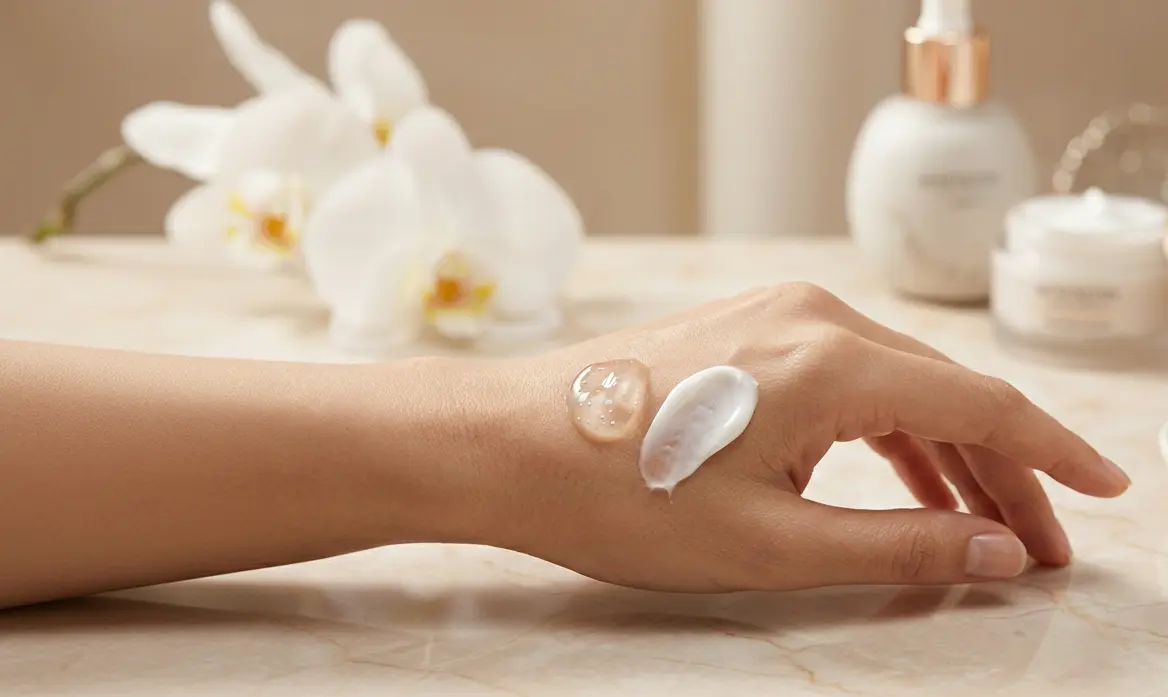
Combinazioni con attivi: niacinamide, ceramidi, squalano
HA + niacinamide: ordine di applicazione e errori comuni
La niacinamide si combina bene con l'HA, poiché supporta la barriera e riduce la reattività. L'ordine dipende dalle texture: di solito i prodotti acquosi vengono per primi. È importante evitare troppi strati contemporaneamente per non provocare arrotolamento.
HA + ceramidi: quando è la migliore coppia per la barriera
Le ceramidi non "idratano" come l'HA, ma aiutano a ridurre la perdita di umidità. Pertanto, la combinazione "HA + crema con ceramidi" spesso dà il risultato più confortevole in caso di secchezza, sensibilità o dopo attivi.
HA + squalano/oli: come evitare appiccicosità e arrotolamento
Se aggiungi squalano o olio, fallo dopo l'HA e la crema o mescola 1-2 gocce con la tua crema. Gli oli sopra il siero acquoso senza crema possono dare una copertura instabile e aumentare il rischio di arrotolamento sotto l'SPF.
Con acidi, retinoidi, perossido di benzoile: cautela e programma
L'HA può essere utilizzato accanto agli attivi come "cuscino di comfort", ma è importante non sovraccaricare la routine. Se usi retinoidi o acidi, l'HA è spesso appropriato dopo l'attivo e prima della crema. In caso di forte sensibilità, è meglio distribuire attivi e idratazione intensa nei giorni.
Se ti interessa sapere se la massa molecolare influisce sulla sensazione di "pellicola" e stratificazione, consulta il materiale separato: Acido ialuronico a basso e alto peso molecolare: qual è la differenza.
FAQ
Si può applicare l'HA su pelle pulita e asciutta?
Sì, ma questo spesso dà tensione in aria secca. È più sicuro applicare su pelle leggermente umida e coprire con crema.
È necessaria la crema se il siero "idrata"?
Nella maggior parte dei casi sì. La crema aiuta a trattenere l'umidità e supporta la barriera, specialmente in inverno o in caso di secchezza.
Si può usare l'HA in caso di acne?
Sì, ma è importante scegliere texture leggere e prestare attenzione agli emollienti e ai potenziali irritanti nella composizione. Dettagli: Acido ialuronico in caso di acne: si può, e come non peggiorare la condizione della pelle.
Si può usare l'HA dopo peeling o laser?
Spesso sì, ma tenendo conto dei tempi e delle formule minimaliste. Basati sul protocollo della procedura e sullo stato della pelle. Dettagli: Acido ialuronico dopo peeling e laser: quando si può e come ripristinare la barriera.