






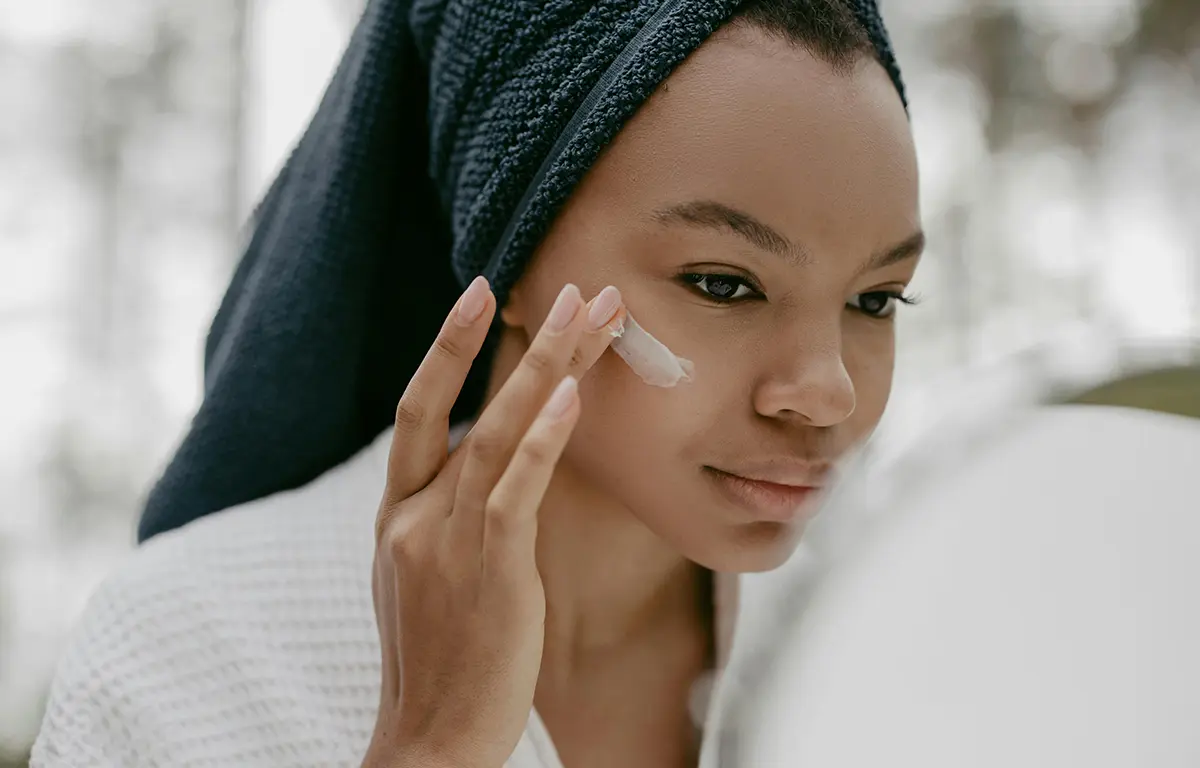
Z kwasem hialuronowym niemal zawsze powtarza się ten sam zamęt. Na etykiecie wszystko wygląda prosto: nawilżenie, komfort, gładkość, bardziej "wypełniona" skóra. Ale w praktyce jedna osoba kupuje produkt z HA i już po tygodniu mówi, że skóra stała się spokojniejsza, miększa i mniej matowa. Inna próbuje coś bardzo podobnego - i narzeka na lepkość, ściągnięcie lub uczucie, że pielęgnacja niby jest, ale skóra i tak czuje się niekomfortowo. Po tym szybko rodzą się skrajne wnioski: albo "kwas hialuronowy pasuje wszystkim", albo "mi on w ogóle nie pasuje". W rzeczywistości oba te stwierdzenia są zbyt uproszczone dla prawdziwej pielęgnacji.
Kwas hialuronowy nie istnieje oddzielnie od skóry, na którą jest nakładany. Znaczenie ma wszystko: typ skóry, jej obecny stan, poziom odwodnienia, stan bariery, sezon, wilgotność powietrza, agresywność oczyszczania, aktywa w twojej rutynie, a nawet to, co jeszcze jest w formule obok HA. Ten sam składnik w wodnistej serum, żelu, płynie i kremie z ceramidami - to już cztery różne historie i cztery różne odczucia na skórze.
Aby lepiej zrozumieć podstawy, warto najpierw przeczytać materiał «Kwas hialuronowy: pełny przewodnik dla skóry, zabiegów i bezpiecznego stosowania». A jeśli interesuje cię sam schemat aplikacji i typowe błędy w codziennym użyciu, logicznym kontynuowaniem będzie artykuł «Jak prawidłowo nakładać kwas hialuronowy: aby nawilżał, a nie ściągał».
Skupimy się tutaj na innym pytaniu: jak HA zachowuje się na suchej, tłustej, wrażliwej i mieszanej skórze, dlaczego ten sam produkt może pasować jednej osobie bardzo dobrze, a innej w ogóle nie, i jak zrozumieć, że problem nie leży w "złym kwasie hialuronowym", ale w nieodpowiedniej teksturze, przeciążonej formule, słabej barierze lub po prostu nieodpowiednim schemacie użycia.
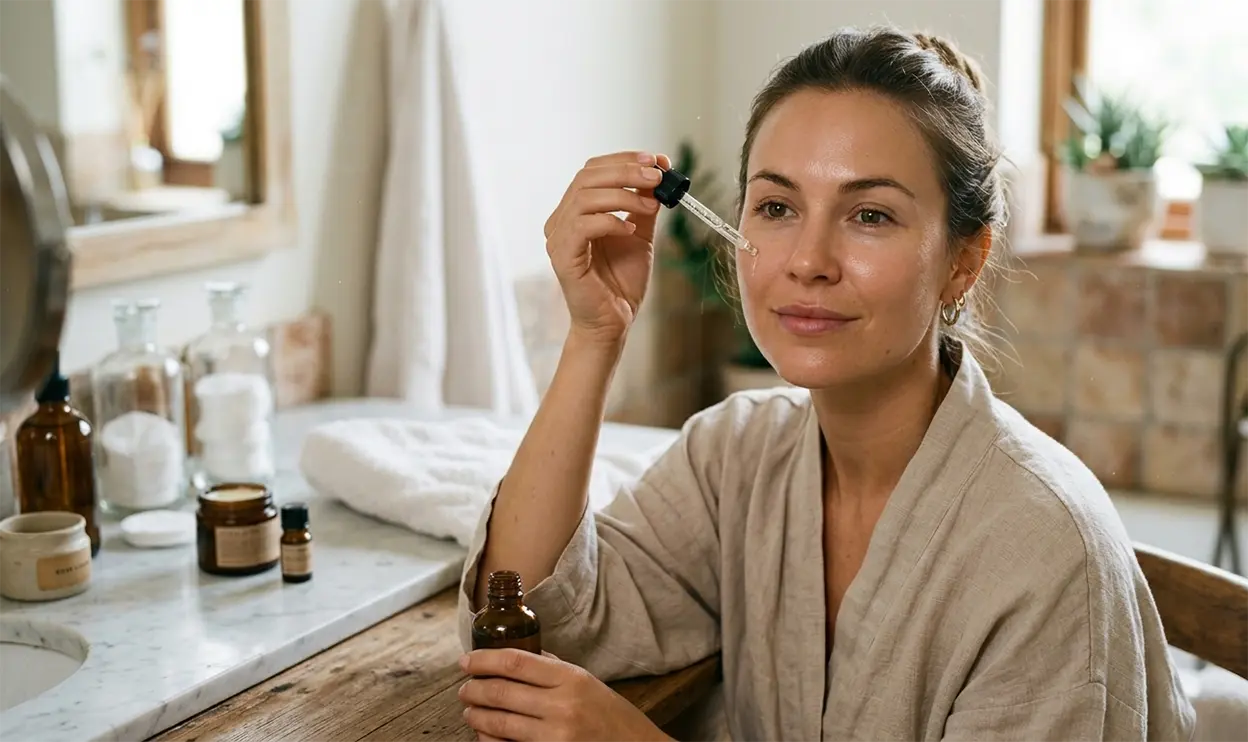
Dlaczego ten sam kwas hialuronowy pasuje jednej skórze, a innej nie?
Najprostsza odpowiedź brzmi: ponieważ każda skóra jest inna. Ale jeśli pozostaniemy na tym poziomie, artykuł nie przyniesie żadnej korzyści. W rzeczywistości ważny jest nie tylko sam typ skóry, ale także jej obecny stan. Można mieć tłustą skórę, która jednocześnie pilnie potrzebuje wody. Można mieć suchą skórę, której nie wystarcza nawet dobre serum, ponieważ potrzebuje również poczucia ochrony. Można mieć wrażliwą skórę, która reaguje nie na sam kwas hialuronowy, ale na aromaty, alkohole, kwasy lub zbyt skomplikowaną formułę obok niego.
Amerykańska Akademia Dermatologii w swoim materiale na temat wyboru nawilżacza dla różnych typów skóry przypomina wprost: nie istnieje jeden uniwersalny środek dla wszystkich. Ta myśl wydaje się oczywista, ale w praktyce to właśnie o niej najczęściej się zapomina. Człowiek chce znaleźć jeden produkt, który będzie działał równie dobrze zimą i latem, na suchych obszarach i na bardziej tłustej strefie T, a jeszcze najlepiej pod makijaż i SPF. Kiedy to się nie dzieje, winę szybko przenosi się na składnik. Jak wyjaśnia AAD, nawilżacz dla suchej, tłustej, mieszanej i wrażliwej skóry dobiera się inaczej.
Jeszcze jedna ważna rzecz polega na tym, że słowo "hyaluronic" na opakowaniu prawie nic nie mówi o tym, jak dokładnie środek będzie się zachowywał na twojej skórze. Jeden produkt z HA może być niewyczuwalny i szybko znikać, inny - dawać uczucie żelu, trzeci - pozostawiać lekką lepkość, czwarty - być bardzo komfortowy, jeśli skóra potrzebuje bardziej ochronnej pielęgnacji. To znaczy, że człowiek często reaguje nie tyle na sam kwas hialuronowy, ile na cały format produktu.
W przeglądzie dermatologicznym na temat miejscowego HA autorzy zauważają, że kwas hialuronowy w formułach kosmetycznych jest ogólnie dobrze tolerowany i związany z poprawą nawilżenia skóry. W niektórych badaniach klinicznych serum z HA również wykazywały poprawę poziomu nawilżenia i zmniejszenie suchości przy regularnym stosowaniu. To dobry kontrast do popularnej frazy "HA tylko mnie wysusza". Sam składnik nie wydaje się problematyczny sam w sobie. Znacznie częściej problem leży w kontekście: stanie skóry, reszcie rutyny lub w tym, że od produktu oczekiwano zbyt wiele. Przegląd na temat miejscowego kwasu hialuronowego w pielęgnacji skóry, badanie kliniczne Draelos i współautorów na temat serum z HA.
Dlatego fraza "kwas hialuronowy mi nie pasuje" bardzo często oznacza coś innego. Na przykład: "nie pasuje mi ta tekstura", "ten format jest dla mnie za mały", "ten format jest dla mnie za duży", "mam teraz słabą barierę", "używam środka w nieodpowiednim momencie" lub "nie uwzględniłem, że moja skóra jest teraz odwodniona". I to znacznie bardziej przydatne zrozumieć na początku, niż przez lata uważać, że cała klasa produktów po prostu "nie jest dla ciebie".
Jest jeszcze aspekt psychologiczny. Ludzie często chcą, aby jeden krok pielęgnacyjny rozwiązał wszystko od razu. Ale HA nie działa jak magiczna różdżka. Może być bardzo udaną częścią rutyny, ale rzadko staje się odpowiedzią na wszystkie problemy od razu. To właśnie tworzy największy zamęt: od składnika oczekuje się uniwersalności, której pielęgnacja skóry prawie nigdy nie daje.
Jak zrozumieć, że skórze brakuje wody, nawet jeśli jest tłusta lub mieszana?
Jedno z najważniejszych rozróżnień w pielęgnacji brzmi tak: typ skóry i stan skóry to nie to samo. Typ skóry to to, do czego jest ogólnie skłonna: suchość, tłustość, mieszaność, wrażliwość. A stan skóry to to, co może się zmieniać pod wpływem pogody, oczyszczania, kwasów, retinoidów, stresu, ogrzewania, słońca, niedoboru snu lub po prostu nieodpowiedniej rutyny.
Dlatego tłusta skóra również bardzo często bywa odwodniona. Na powierzchni może się błyszczeć, ale to nie oznacza, że czuje się komfortowo. Wręcz przeciwnie, często właśnie tłusta i mieszana skóra daje bardzo charakterystyczny obraz: jest sebum, ale po umyciu ściąga; jest blask, ale jednocześnie skóra wydaje się matowa; jest wrażenie "przeciążenia", ale brak uczucia miękkości. To właśnie najbardziej myli.
AAD szczególnie podkreśla, że nawet skóra skłonna do trądziku potrzebuje nawilżenia. I to ważny praktyczny szczegół, ponieważ to właśnie skórę z wypryskami i tłustym blaskiem ludzie najczęściej przesuszają "dla kontroli sytuacji". Potem skóra staje się bardziej reaktywna, mniej przyjemna w dotyku, gorzej znosi aktywa, a sebum nigdzie nie znika. AAD o nawilżaniu skóry skłonnej do trądziku.
W rzeczywistości wygląda to tak: osoba ciągle myje twarz "do skrzypienia", dodaje matujące środki, bo boi się blasku, a potem dziwi się, dlaczego skóra jest jednocześnie tłusta i niezadowolona. Może mówić, że "jakby brakuje jej wody", ale jednocześnie nadal boi się jakiegokolwiek nawilżenia. W tym miejscu kwas hialuronowy albo staje się bardzo odpowiedni, albo nagle rozczarowuje, jeśli oczekiwano od niego, że sam naprawi cały system pielęgnacji.
Oznaki odwodnienia nie zawsze są krzyczące, ale są dość łatwe do rozpoznania, jeśli się przyjrzeć. To może być uczucie ściągnięcia po oczyszczaniu, matowy wygląd, drobne linie, które nagle stały się bardziej widoczne, niestabilna reakcja na znane środki, "zmęczona" skóra, która jednocześnie się błyszczy. Czasami osoba opisuje to bardzo prosto: "twarz jakby tłusta, ale wewnątrz sucha". Nie całkiem naukowo, ale bardzo trafnie.
To właśnie na odwodnionej skórze często zdarza się historia "nałożyłam HA, a stało się jeszcze dziwniej". Jeśli skóra jest już podrażniona, jeśli oczyszczanie jest zbyt ostre, jeśli nie ma żadnego uspokajającego lub ochronnego etapu na górze, to sam HA nie zawsze daje oczekiwany komfort. I wtedy problem błędnie przypisuje się samemu składnikowi, chociaż w rzeczywistości skóra po prostu nie otrzymała normalnych warunków.
Dlatego zanim zdecydujesz, czy HA ci pasuje, warto zadać sobie inne pytanie: czy moja skóra jest teraz po prostu tłusta lub mieszana, czy też jest odwodniona? To nie jest drobnostka. Odpowiedź na to pytanie często zmienia całą dalszą rutynę.
Sucha skóra: dlaczego jednego kwasu hialuronowego zazwyczaj za mało
Sucha skóra zazwyczaj dobrze reaguje na kwas hialuronowy. Ale to właśnie ona najlepiej pokazuje granice tego, co HA może zrobić samodzielnie. Sucha skóra często nie tylko chce wody. Chce, aby pomóc jej tę wodę zatrzymać i aby pielęgnacja dała poczucie zakończenia, a nie tylko krótką ulgę.
Harvard Health przypomina, że w nawilżaniu ważne są nie tylko humektanty, do których należy kwas hialuronowy, ale także okluzje - składniki, które pomagają zmniejszyć utratę wilgoci. Dla suchej skóry to kluczowa logika. Jeśli dać jej tylko "przyciągnąć" wodę, ale nie pomóc jej zatrzymać, efekt może być zbyt krótki. Harvard Health o humektantach, emolientach i okluzjach, Harvard Health o nawilżaniu i zapobieganiu utracie wilgoci.
W praktyce jest to bardzo rozpoznawalne. Osoba nakłada lekkie serum z HA, w pierwszych minutach wszystko wydaje się dobrze, ale już wkrótce pojawia się znajome uczucie: skórze jeszcze czegoś potrzeba. Twarz nie boli, nie piecze, nie wygląda katastrofalnie - po prostu nie ma tego komfortu, który sucha skóra chce uzyskać od pielęgnacji. I właśnie tutaj wielu popełnia błędny wniosek, że kwas hialuronowy jest "słaby".
W rzeczywistości suchej skórze często brakuje nie przez sam składnik, ale przez to, że pielęgnacja kończy się zbyt wcześnie. AAD w materiałach dla suchej skóry radzi częściej patrzeć w stronę kremów, a nie lekkich lotionów, a przy wyraźnej suchości - nawet bardziej gęstych formatów. To nie oznacza, że każda sucha skóra potrzebuje ciężkiej maści. Ale to oznacza, że poszukiwanie "bardzo lekkiego serum dla suchej skóry" nie zawsze prowadzi tam, gdzie osoba chciała. Porady dermatologów AAD dla suchej skóry.
Jeszcze jeden ważny niuans polega na tym, że sucha skóra jest bardzo wymagająca co do poczucia ochrony. Teoretycznie dobry skład nie zawsze ratuje. Jeśli po pielęgnacji chce się natychmiast nałożyć jeszcze coś, jeśli skóra wygląda "napita", ale nie spokojna, jeśli po godzinie wraca suche uczucie, taki środek będzie odbierany jako nieudany do codziennego użytku, nawet jeśli formalnie jest "właściwy".
Sucha skóra często lepiej reaguje na nie tylko produkty z HA, ale produkty, w których HA jest połączona z bardziej wspierającą bazą. Czasami to serum plus krem. Czasami krem z HA, który sam w sobie już daje wystarczający komfort. Czasami płyn, jeśli skóra nie lubi bardzo gęstych tekstur, ale wciąż nie chce pozostawać sam na sam z lekką wodnistą formułą.
Typowa sytuacja praktyczna wygląda tak: osoba z suchą skórą uczciwie korzysta z popularnego serum z HA, ale mówi, że "jakby nieźle, ale brakuje". W takiej sytuacji niekoniecznie trzeba zmieniać sam składnik. Często wystarczy zmienić architekturę pielęgnacji: dodać krem, przejść na inną teksturę lub używać HA na lekko wilgotną skórę, a na górze dać bardziej ochronną warstwę.
Sucha skóra bardzo dobrze pokazuje jedną prostą rzecz: kwas hialuronowy nie obiecuje być wszystkim od razu. Może być doskonałą częścią pielęgnacji, ale sucha skóra często wymaga od rutyny więcej niż jeden lekki krok nawilżający.
Szczegółową praktyczną schemat można zobaczyć w artykule o prawidłowym użyciu kwasu hialuronowego bez ściągania.
Tłusta skóra: jak nawilżać, nie przeciążając twarzy
Z tłustą skórą często zdarza się ten sam przekręt. Albo stale próbuje się ją wysuszyć, jakby samo sebum było jedynym problemem, albo po tym "ratuje" się ją zbyt ciężkimi środkami, a skóra zaczyna protestować jeszcze bardziej. W rezultacie nie jest to pielęgnacja, a wahadło między surowością a przeciążeniem.
AAD pisze wprost, że tłusta skóra również potrzebuje nawilżenia, a pielęgnacja dla niej powinna być nie tyle "minimalna", co trafna: delikatne oczyszczanie, formuły bez oleju lub niekomedogenne, brak zbędnej agresji. To bardzo ważne, ponieważ to właśnie tłustej skóry ludzie najczęściej boją się nawilżać, jakby nawilżenie automatycznie oznaczało jeszcze więcej blasku. AAD o pielęgnacji tłustej skóry.
W praktyce pielęgnacji tłusta skóra często dobrze reaguje na HA w lżejszych formatach - serum, żelach, płynach. Ale kluczowe słowo tutaj to nie "lekkie", a "komfortowe". Bo czasami problem nie leży w samym kwasie hialuronowym, ale w tym, że cała formuła jest zbyt lepka, zbyt ciężka lub po prostu odczuwana na skórze jako zbędna warstwa. Dla osoby z tłustą skórą to bardzo ważne: środek może być doskonały na papierze, ale jeśli nie chce się go nosić na twarzy, nie będzie działał w rzeczywistości.
Typowa sytuacja życiowa wygląda tak: osoba z tłustą lub skłonną do trądziku skórą leczy wypryski, używa aktywnych środków, wysusza skórę, a potem nagle odkrywa, że twarz jednocześnie się błyszczy i nieprzyjemnie ściąga po umyciu. Na tym tle każda nieudana formuła nawilżająca bardzo szybko przekonuje ją, że "nie potrzebuję niczego nawilżającego". W rzeczywistości skóra często prosi nie o rezygnację z nawilżenia, ale o mniej ciężki i mniej chaotyczny system.
AAD szczególnie podkreśla, że skóry skłonnej do trądziku nie warto przesuszać, a jeśli leczenie trądziku powoduje suchość i łuszczenie, potrzebny jest nawilżacz, który skóra naprawdę toleruje. To dobry, bardzo przyziemny przykład tego, jak tłustość i dyskomfort mogą współistnieć. AAD o nawykach, które pogarszają trądzik, AAD o suchości skóry i nawilżaniu podczas terapii trądziku.
Dla tłustej skóry często działa zasada "mniej, ale dokładniej". Jeden trafny produkt z HA często daje więcej niż trzy przypadkowe warstwy "dla równowagi". Jeśli skóra nie jest przeciążona, nie przesuszona i nie otrzymuje zbędnego podrażnienia, kwas hialuronowy dla niej często staje się nie problemem, a bardzo użytecznym sposobem na zmniejszenie uczucia ściągnięcia bez ciężkiego posmaku na twarzy.
Jeszcze jednym powszechnym błędem jest ocenianie wyniku tylko po blasku. Tłusta skóra może się błyszczeć i jednocześnie czuć się znacznie lepiej po normalnym nawilżeniu. Jeśli mniej szczypie po oczyszczaniu, mniej konfliktuje z aktywami, nie wydaje się wyczerpana i nie prosi o "jeszcze coś" po pół godzinie, to już dobry znak, nawet jeśli nie stała się nagle matowa jak papier.
Tłusta skóra nie prosi o cuda od kwasu hialuronowego. Prosi, aby pielęgnacja przestała robić jej to zbyt sucho, to zbyt ciężko. I jeśli to zrozumieć, HA często znajduje dla siebie bardzo logiczne miejsce w takiej rutynie.
Jeśli tłustość łączy się z wypryskami lub skłonnością do zatkanych porów, przydatny będzie również artykuł «Kwas hialuronowy przy trądziku: czy można, i jak nie pogorszyć stanu skóry».
Wrażliwa skóra: kiedy problem nie leży w kwasie hialuronowym, a w samej formule
Wrażliwa skóra bardzo często komplikuje pielęgnację nie dlatego, że jest "zła" lub "kapryśna", ale dlatego, że szybciej i wyraźniej pokazuje, że coś jej nie pasuje. To, co inna skóra wybaczy, wrażliwa może zwrócić zaczerwienieniem, pieczeniem, uczuciem gorącej twarzy lub po prostu uporczywym dyskomfortem.
Z tego powodu po jednym nieudanym środku z HA bardzo łatwo wyciągnąć błędny wniosek: "nie mogę używać kwasu hialuronowego". Ale w praktyce znacznie częściej problem nie leży w nim. Harvard Health z komentarzem Dr. Waldman radzi dla wrażliwej skóry wybierać prostsze formuły: mniej składników oznacza mniej potencjalnych podrażnień. To bardzo mocna i bardzo praktyczna myśl, zwłaszcza teraz, gdy rynek lubi formuły z wieloma "bonusowymi" składnikami. Harvard Health i Dr. Waldman o wrażliwej skórze i prostszych formułach.
AAD również szczególnie podkreśla: dla wrażliwej skóry ważne są produkty bez zapachu, a nie tylko bezzapachowe. Dla zwykłego klienta może to brzmieć jak drobnostka, ale w rzeczywistej pielęgnacji różnica jest duża. Produkt może nie pachnieć, ale wciąż zawierać składniki, które maskują zapach i jednocześnie podrażniają skórę. AAD o produktach bez zapachu jako bardziej niezawodnym wskaźniku dla wrażliwej skóry.
Typowa sytuacja życiowa jest tutaj bardzo rozpoznawalna. Osoba chce czegoś delikatnego i "nawilżającego", bierze serum z kwasem hialuronowym, a w nim razem z HA znajdują się aromaty, olejki eteryczne, kwasy, ekstrakty roślinne, witamina C lub inne aktywa. Po kilku zastosowaniach skóra zaczyna piec lub czerwienić się, a winą obarcza się właśnie kwas hialuronowy, ponieważ jego nazwa jest największa na etykiecie.
Dla wrażliwej skóry bardzo często lepiej działa nie "najbardziej zaawansowany" środek, a najspokojniejszy. Mniej składników, mniej nowych produktów jednocześnie, mniej prób "wzmocnienia efektu". Jeśli skóra jest teraz podrażniona, to czasami najrozsądniejszym krokiem jest nie szukanie jeszcze jednego idealnego serum, ale zmniejszenie obciążenia i pozwolenie skórze na powrót do bardziej stabilnego stanu.
To szczególnie ważne dla osób, u których wrażliwość łączy się z trądzikiem różowatym lub reaktywnością po aktywnym leczeniu. AAD w materiałach o trądziku różowatym również radzi ostrożną, bez zapachu pielęgnację i delikatne podejście do skóry. W takich sytuacjach HA może być całkiem odpowiedni, ale tylko w cichej, nieagresywnej formule. AAD o pielęgnacji przy trądziku różowatym i wyborze delikatnych środków.
Wrażliwa skóra bardzo rzadko prosi o "więcej funkcjonalności". Znacznie częściej prosi o mniej chaosu. I kiedy ta prosta myśl w końcu zaczyna kierować pielęgnacją, kwas hialuronowy często przestaje być kontrowersyjnym składnikiem i staje się po prostu normalnie tolerowanym etapem nawilżania.
Jeśli wrażliwość nasiliła się po zabiegach, peelingach lub aktywnym leczeniu, warto również zapoznać się z materiałem «Kwas hialuronowy po peelingach i laserach: kiedy można i jak odbudować barierę».
Skóra mieszana: czy można nakładać ten sam środek różnie na różne strefy?
Skóra mieszana bardzo szybko pokazuje, jak umowna bywa marzenie o jednym uniwersalnym produkcie dla całej twarzy. Policzki mogą chcieć więcej komfortu, a strefa T - przeciwnie, łatwo się przeciążać. Z tego powodu wiele osób zaczyna myśleć, że pielęgnacja musi być bardzo skomplikowana. W rzeczywistości niekoniecznie.
Jedna z najważniejszych idei dla skóry mieszanej brzmi tak: nie wszystkie obszary twarzy muszą otrzymywać taką samą ilość środka i takie samo przedłużenie pielęgnacji. To nie "sztuczka", a całkiem normalna praktyka. Jeśli jednym strefom dobrze jest z serum i kremem, a inne czują się bardziej komfortowo tylko z lżejszą warstwą, to nie oznacza, że środek jest zły. To oznacza, że twoja twarz nie jest monolitem.
AAD, gdy wyjaśnia różnicę między formatami nawilżaczy, faktycznie daje bardzo przydatne wsparcie również dla skóry mieszanej: lżejsze i bardziej nasycone tekstury mają różne odczucia na skórze i różny poziom okluzji. To znaczy, że sam fakt, że jednej strefie coś jest komfortowe, a innej już za dużo, jest całkiem oczekiwany. AAD o różnicy między formatami nawilżaczy.
W praktyce wygląda to bardzo prosto. Osoba nakłada taką samą ilość środka na całą twarz, a potem dziwi się, dlaczego policzki są w końcu zadowolone, a strefa T już zaczyna się błyszczeć i jakby "przytłoczona". W takiej sytuacji wcale nie trzeba wyrzucać środka ani szukać innego. Często wystarczy po prostu przestać nakładać wszystko jednakowo na wszystkie strefy.
Skóra mieszana dobrze reaguje na elastyczność. Czasami oznacza to trochę więcej kremu na bardziej suchych obszarach. Czasami - tylko lekkie serum na bardziej tłustych strefach. Czasami - ten sam produkt, ale w innej ilości. Wszystko to brzmi bardzo prosto, ale właśnie taka "prostota" często działa lepiej niż niekończące się poszukiwanie magicznej uniwersalnej buteleczki.
Jeszcze jednym typowym błędem z skórą mieszaną jest ocenianie produktu zbyt surowo. Jeśli nie zachowuje się jednakowo idealnie wszędzie, to nie zawsze oznacza, że "nie jest dla ciebie". Może po prostu wymaga bardziej elastycznego podejścia. Skóra mieszana rzadko lubi sztywne zasady. Lepiej działają z nią obserwacje, drobne korekty i gotowość do nie wymagania jednakowego zachowania od wszystkich stref twarzy.
I właśnie tutaj kwas hialuronowy często bywa bardzo wygodny. Dobrze wpasowuje się w adaptacyjną pielęgnację, gdzie nie ma potrzeby robić wszystkiego jednakowo. Jeśli przestaniesz wymagać od skóry mieszanej sztucznej symetrii, pielęgnacja z HA staje się znacznie prostsza i spokojniejsza.
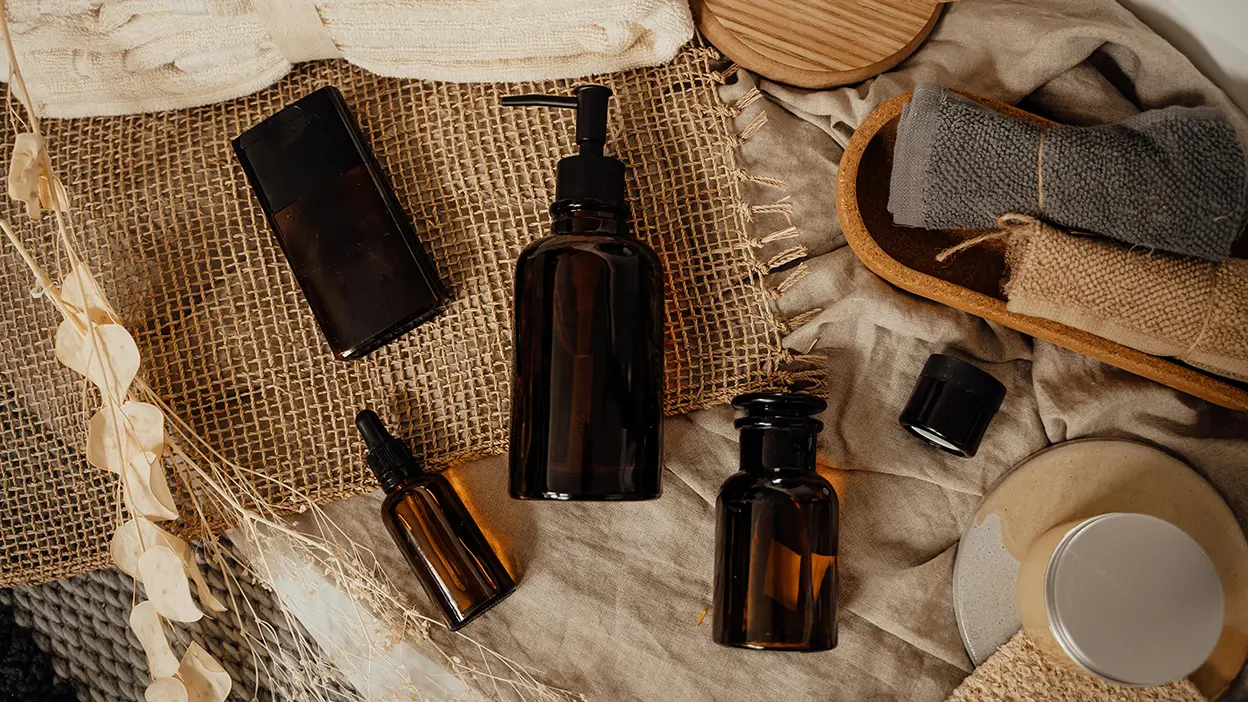
Jakie formaty środków z HA są zazwyczaj wygodniejsze dla różnych skóry?
Kiedy ludzie mówią o kwasie hialuronowym, często zbyt skupiają się na składzie i niedoceniają formatu. A szkoda. Bo jedna rzecz to serum, które znika w minutę, inna - żel z wyraźnym odczuciem na skórze, trzecia - płyn, który daje kompromis między lekkością a komfortem, a czwarta - krem, po którym skóra czuje się "zamknięta" i spokojna.
Lekkie serum często dobrze pasują tym, którzy nie lubią uczucia warstwy na twarzy, cenią szybkie wchłanianie lub mieszkają w ciepłym klimacie. Tłusta i część mieszanej skóry często czują się z nimi całkiem dobrze. Ale dla suchej lub bardzo odwodnionej skóry takie serum może okazać się zbyt krótkim etapem: niby coś zrobiła, ale nie dała wystarczającego poczucia zakończenia.
Żele często są postrzegane jako "lekki i świeży" format. Dla niektórych to idealne, zwłaszcza w upale lub przy tłustej skórze. Ale innym ludziom żele wydają się lepkie lub takie, które pozostawiają film. I to dobry przykład tego, dlaczego nie ma sensu wybierać produktu tylko na podstawie ogólnej kategorii. Jedna osoba nazwie teksturę lekką i komfortową, inna - irytującą.
Płyny dla wielu stają się najmniej konfliktowym wariantem. Nie są tak niewyczuwalne jak wodniste serum, ale też nie tak gęste jak kremy. Dlatego skóra mieszana, sezonowo niestabilna lub "kapryśna" często dobrze z nimi żyje. To ten przypadek, kiedy produkt nie zachwyca od razu, ale okazuje się bardzo wygodny w codzienności.
Kremy z HA częściej podobają się suchej, wrażliwej lub odwodnionej skórze. Nie dlatego, że krem sam w sobie jest "lepszy", ale dlatego, że częściej daje poczucie zakończonej pielęgnacji. Po nim skóra mniej prosi o jeszcze jedną warstwę, mniej czuje się otwarta na wiatr, suche powietrze i utratę wilgoci.
AAD bardzo przyziemnie wyjaśnia tę różnicę: lżejsze formaty i bardziej nasycone formaty po prostu różnie odczuwają się na skórze i różnie pomagają jej zatrzymać wilgoć. Dla rzeczywistego wyboru to ważniejsze, niż się wydaje. Bo bardzo często osoba męczy się nie przez "nie ten składnik", a przez to, że format nie pasuje do tego, co jej skóra jest gotowa nosić codziennie. AAD o wyborze formatu nawilżacza w zależności od potrzeb skóry.
Typowa sytuacja z praktyki jest taka: osoba latami szuka "właściwego składu", choć w rzeczywistości po prostu nie czuje się komfortowo w wybranym formacie. Na przykład popularne lekkie serum jest świetne na papierze, ale za każdym razem pozostawia uczucie niedokończoności. Albo przeciwnie - dobry krem wydaje się duszący, choć formalnie wszystko w nim jest w porządku. Czasami przejście z serum na płyn lub z kremu na lżejszą teksturę zmienia doświadczenie bardziej niż zmiana samego składnika.
Dlatego pytanie "jaki format jest właściwy?" nie jest zbyt produktywne. Znacznie bardziej przydatne jest inne: "w jakim formacie moja skóra teraz czuje się normalnie?". To właśnie odpowiedź na nie często oszczędza miesiące bezsensownych eksperymentów.
Czy trzeba zmieniać pielęgnację z kwasem hialuronowym zimą i latem?
Tak, bardzo często trzeba. I to jeden z najbardziej życiowych tematów w pielęgnacji. Ten sam produkt może być świetny w sierpniu i nagle stać się "żaden" w styczniu. Nie dlatego, że się zepsuł. A dlatego, że środowisko wokół skóry się zmieniło.
W zimnym sezonie skóra styka się z suchym powietrzem, ogrzewaniem, wiatrem, wahaniami temperatur. W takich warunkach lekkie serum z HA często już nie wystarcza. Skórze może brakować nie samego kwasu hialuronowego, a tego, co pomoże tę wilgoć zatrzymać. Dlatego wiele osób po raz pierwszy zaczyna narzekać na "ściągnięcie od hialuronki" właśnie zimą.
Harvard Health przypomina, że dobre nawilżenie to nie tylko o przyciąganiu wody, ale także o zdolności skóry do nie tracenia jej zbyt szybko. AAD w swoich materiałach również radzi nakładać nawilżacz na lekko wilgotną skórę i nie bać się bardziej wspierających formatów, gdy powietrze jest suche i skóra szybciej traci komfort. Harvard Health o zimowej suchości skóry, AAD o nakładaniu nawilżacza po umyciu i wyborze formatu przy suchości.
Typowa sytuacja wygląda tak: w ciepłej porze roku osobie wystarczało lekkie serum z HA, a zimą nagle czuje, że skóra do południa już jest niezadowolona. W tym momencie nie zawsze trzeba zmieniać całą pielęgnację. Czasami wystarczy dodać krem na serum lub przejść na bardziej komfortowy format na kilka miesięcy.
Latem zaś często dzieje się odwrotnie. To, co zimą wydawało się zbawienne, w upale zaczyna być odczuwane jako zbędne. Skóra bardziej się poci, aktywniej kontaktuje się z SPF, nie lubi zbędnych warstw, szybciej pokazuje przeciążenie. I wtedy już chce się lżejszej tekstury, szybszego wchłaniania, mniejszego nakładania.
Jeszcze jednym powszechnym błędem jest trzymanie się "swojego idealnego środka" przez cały rok, jakby skóra żyła w takich samych warunkach o każdej porze. W rzeczywistości sezonowa adaptacja pielęgnacji to nie kaprys i nie oznaka tego, że poprzedni produkt był zły. To po prostu normalna reakcja na zmianę warunków.
Czasami sezon wpływa na wynik nawet bardziej niż formalny typ skóry. Zwłaszcza jeśli bariera jest niestabilna, skóra łatwo się odwodnia lub już żyje pod presją aktywów. W takiej sytuacji bardzo przydatne jest nie walczyć z produktem, a uczciwie przyznać: skórze teraz potrzebna jest inna podaż tego samego składnika.
Część powszechnych skrajności w postrzeganiu HA rozbieraliśmy osobno w artykule «Mity o kwasie hialuronowym: co prawda, a co marketing». I sezonowość to właśnie ten temat, gdzie kategoryczność zazwyczaj tylko psuje pielęgnację.
Jakie błędy najczęściej przeszkadzają uzyskać od HA normalny wynik?
Pierwszy i chyba najczęstszy błąd to oczekiwanie od jednego środka z kwasem hialuronowym więcej, niż on naprawdę może dać. Jeśli skóra jest sucha, odwodniona, podrażniona lub sezonowo niestabilna, samo serum z HA nie zawsze jest w stanie stworzyć pełne poczucie komfortu. Może być bardzo użytecznym etapem, ale nie zawsze całym pielęgnacją od razu.
Drugi błąd to patrzenie tylko na słowo "hyaluronic" na opakowaniu. W rzeczywistości decyduje nie jeden składnik, a cała formuła: tekstura, towarzyszące składniki, obecność lub brak podrażnień, gęstość bazy, zgodność z resztą rutyny, a nawet to, na ile w ogóle chce się tego środka używać codziennie.
Trzecia typowa historia to pomylenie reakcji na całą formułę z reakcją na kwas hialuronowy. Szczególnie często zdarza się to na wrażliwej skórze. Jeden nieudany środek - i osoba latami myśli, że HA jej kategorycznie nie pasuje. Chociaż prawdziwa przyczyna mogła leżeć w aromatach, kwasach lub po prostu w tym, że formuła była zbyt aktywna dla jej stanu skóry.
Czwarty błąd to ignorowanie bariery. Jeśli skóra już piecze, czerwieni się, szczypie po umyciu lub reaguje na wszystko po kolei, to pytanie nie tylko o to, jaki dokładnie HA-produkt kupić. Czasami najpierw trzeba zmniejszyć obciążenie, usunąć zbędne aktywa i pozwolić skórze się uspokoić. I dopiero potem ocenić, jak znosi kwas hialuronowy.
Piąty błąd to nie uwzględnianie sezonu i zmiany rutyny. To, co było świetne latem, nie musi tak samo dobrze działać zimą. To, co pasowało skórze przed kwasami lub retinoidami, może przestać być komfortowe po nich. I odwrotnie - środek, który wcześniej wydawał się za mały, w ciepłym sezonie nagle staje się idealny.
Szósty błąd to szukanie produktu "raz na zawsze". Pielęgnacja skóry tak rzadko działa. Skóra się zmienia, a wraz z nią muszą się zmieniać nasze oczekiwania. Jeśli to zaakceptować, kwas hialuronowy przestaje być albo magiczną różdżką, albo wielkim rozczarowaniem. Po prostu zajmuje swoje normalne miejsce w pielęgnacji.
I na koniec, wielu bardzo przeszkadza chęć oceny środka zbyt szybko. Jeden-dwa dni nie zawsze dają uczciwy obraz. Szczególnie jeśli w tym momencie skóra już ma inne problemy: przesuszenie, reaktywność, aktywne leczenie, zmiana pogody lub przeciążona rutyna. W takich warunkach bardzo łatwo obwinić nie tego, kogo trzeba.
Wniosek
Kwas hialuronowy może bardzo dobrze działać zarówno na suchej, jak i na tłustej, wrażliwej i mieszanej skórze. Ale prawie nigdy nie działa na zasadzie "jeden składnik - jeden wynik dla wszystkich". To właśnie tworzy największy zamęt.
Suchej skórze od HA często potrzebne jest przedłużenie w postaci kremu i lepszego zatrzymania wilgoci. Tłustej - lekki format bez przeciążenia. Wrażliwej - cicha formuła bez zbędnych podrażnień. Mieszanej - elastyczność i gotowość do traktowania różnych stref różnie. A w każdym przypadku skórze potrzebne jest nie abstrakcyjne "nawilżenie", a taka podaż, w której naprawdę czuje się normalnie.
Dlatego problem najczęściej nie leży w samym kwasie hialuronowym. Problem w tym, że oczekujemy od niego uniwersalności, której w pielęgnacji prawie nie ma. A kiedy przestajemy tego oczekiwać i zaczynamy patrzeć na skórę uważniej, HA zajmuje swoje normalne, bardzo użyteczne miejsce - bez zbędnych iluzji i bez zbędnego rozczarowania.