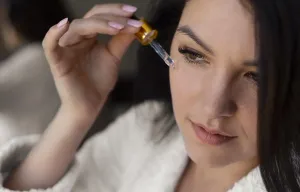







Kiedy w opisie produktu widzisz „niskocząsteczkowy” lub „wysokocząsteczkowy” kwas hialuronowy, to nie jest to tylko etykieta marketingowa. Masa cząsteczkowa wpływa na to, jak składnik zachowuje się w formule i na skórze: czy będzie uczucie „filmu”, jak komfortowe będzie nawilżenie, jak produkt będzie się nakładał pod SPF i makijaż, oraz czy pojawi się lepkość lub rolowanie.
Jeśli potrzebujesz podstawowego kontekstu na temat kwasu hialuronowego w ogóle (formy, kosmetyki, iniekcje), zacznij od głównego materiału klastra: Kwas hialuronowy: pełny przewodnik dla skóry, zabiegów i bezpiecznego stosowania.
Co oznacza „masa cząsteczkowa” bez chemii
Najprościej wyobrazić sobie masę cząsteczkową jako „rozmiar łańcucha”. W kwasie hialuronowym te „łańcuchy” mogą być dłuższe lub krótsze. Im dłuższy łańcuch, tym większa masa cząsteczkowa; im krótszy — tym mniejsza. To wpływa na to, jak substancja zatrzymuje wodę, jak tworzy cienką warstwę na powierzchni skóry i jak odczuwana jest po nałożeniu.
Ważna uwaga: w kosmetykach kwas hialuronowy działa głównie w obrębie górnych warstw skóry. Dlatego „niskocząsteczkowy” nie oznacza automatycznie „działa głębiej i zawsze lepiej”, a „wysokocząsteczkowy” nie oznacza „bezużyteczny”. To różne narzędzia, a wynik bardziej zależy od formuły i właściwego użycia niż od jednego słowa na etykiecie.
Dlaczego na etykiecie nie zawsze piszą low/high molecular
W składzie (INCI) najczęściej zobaczysz Hyaluronic Acid, Sodium Hyaluronate, Hydrolyzed Hyaluronic Acid lub inne pochodne. Ale producent nie jest zobowiązany bezpośrednio wskazywać masy cząsteczkowej w nazwie składnika. Często jest to wspomniane w opisie produktu, a nie w wykazie INCI.
Kolejna pułapka: nawet jeśli w formule jest kilka pochodnych HA, to nie gwarantuje „lepszego” efektu bez odpowiedniej bazy. O typowych mitach i marketingowych trikach zobacz osobny materiał: Mity o kwasie hialuronowym: co jest prawdą, a co marketingiem.
Jak zachowuje się na powierzchni i w warstwie rogowej
Odczuwalna różnica między wysokocząsteczkowymi a niskocząsteczkowymi formami najczęściej objawia się w sensoryce: jak skóra „ślizga się” pod palcami, czy pojawia się uczucie gładkości, czy jest lepkość, i jak środek zachowuje się przy nakładaniu warstw.
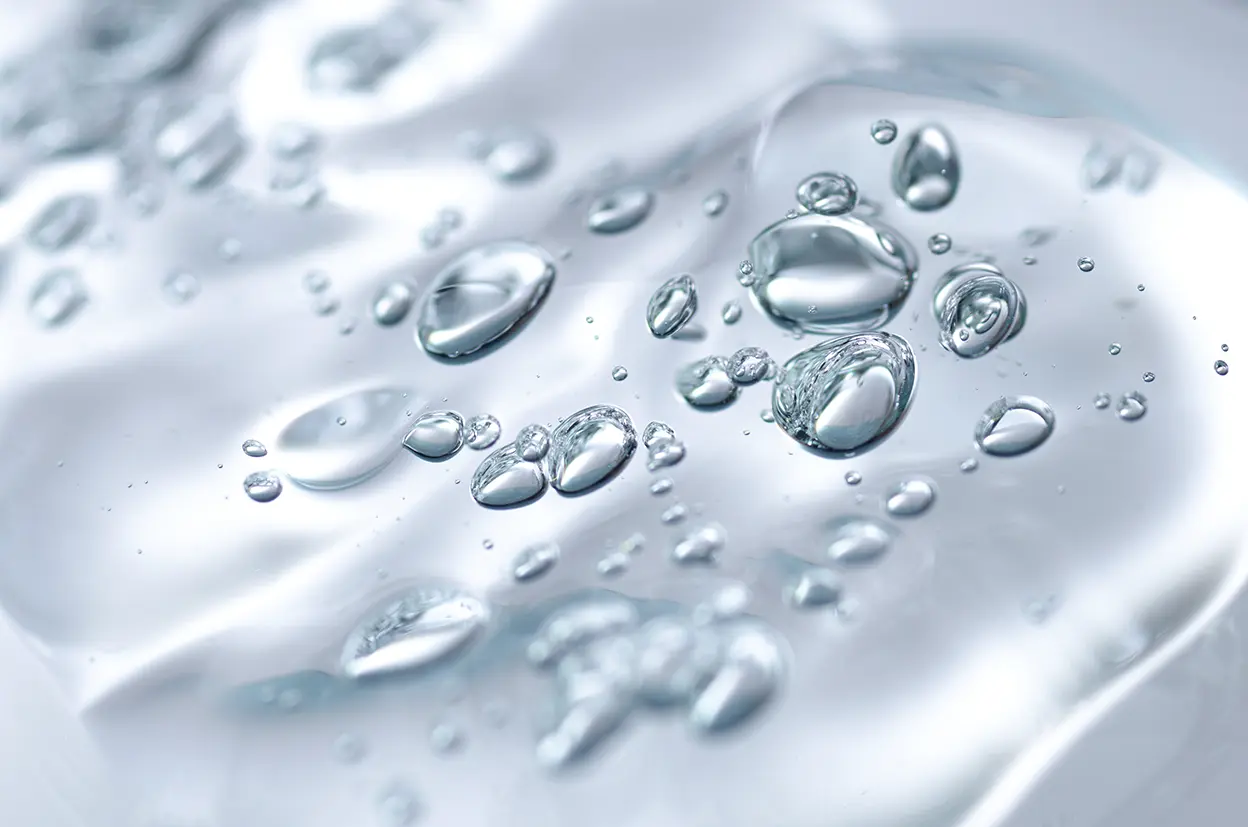
Wysokocząsteczkowe formy częściej dają szybki komfort i uczucie „zmiękczenia” powierzchni. Dla wielu działa to jako tymczasowy efekt „zadbania”: skóra wydaje się gładsza, mniej odczuwalne jest odwodnienie.
Niskocząsteczkowe formy częściej spotykane są w lekkich serum i fluidach, które wygodnie łączyć z SPF. Ale ważne, aby nie mylić pojęć: nawet „lekka” formuła nie oznacza, że składnik działa „głęboko”. W kosmetykach najważniejsze jest stabilne nawilżenie górnych warstw i wsparcie bariery.
Dlaczego czasami pojawia się „ściągnięcie”
Najczęściej to nie „zły kwas hialuronowy”, a niewłaściwy scenariusz użycia: HA nałożono na suchą skórę, a na wierzchu niczym nie „zamknięto”. W suchym powietrzu (ogrzewanie zimą) jest to bardziej odczuwalne. Drugi częsty czynnik — agresywne oczyszczanie, po którym bariera jest osłabiona i każde nawilżenie trzyma się gorzej.
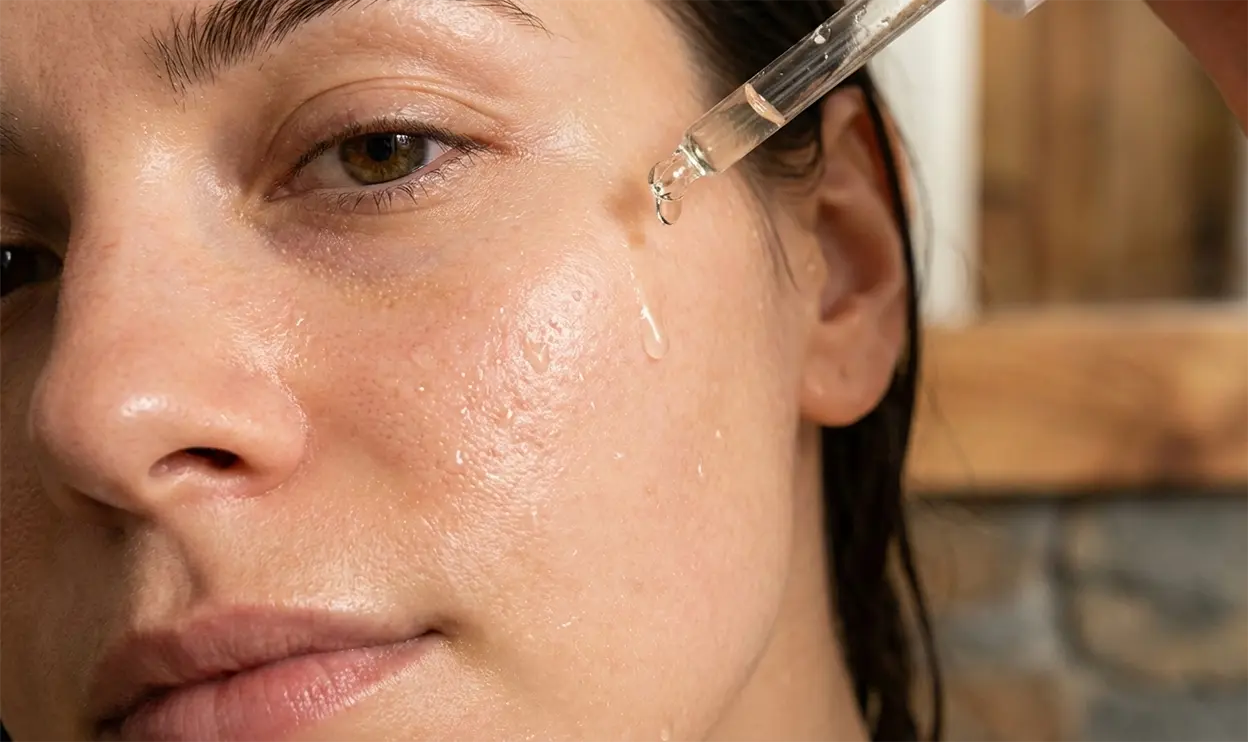
Jeśli temat ściągnięcia jest dla ciebie aktualny, przejdź do osobnej instrukcji: Jak prawidłowo nakładać kwas hialuronowy: aby nawilżał, a nie ściągał.
Czy jest sens „miksów” różnej masy
Tak, sens często jest — ale nie w magii „kompleksu”, a w równowadze odczuć. Miksy różnej masy cząsteczkowej pomagają połączyć powierzchniowy komfort i dobrą nakładalność bez nadmiernego filmu. Jest to szczególnie zauważalne, jeśli używasz SPF i kosmetyków dekoracyjnych.
Dlaczego ważna jest cała formuła, a nie jeden składnik
Dwa środki z „takim samym HA” mogą dawać zupełnie różny rezultat. Wpływa na to wszystko: ilość gliceryny i innych nawilżaczy, filmotwórcze, emolienty, a także składniki barierowe (ceramidy, cholesterol, kwasy tłuszczowe). Dlatego kieruj się nie tylko „typem HA”, ale komfortem w twojej rutynie.
Osobna sytuacja — gdy skóra jest zapalna lub ma skłonność do komedonów. Tu ważne są nie tyle „cząsteczki HA”, co tekstura, emolienty i potencjalne drażniące. Do tego jest specjalny materiał: Kwas hialuronowy przy trądziku: czy można, i jak nie pogorszyć stanu skóry.
Dla jakich typów skóry jakie formaty są lepsze
Skóra sucha lub odwodniona
Zazwyczaj działa strategia „nawilżyć i zatrzymać”. Serum z HA lepiej nakładać na lekko wilgotną skórę i zamykać kremem z emolientami i wsparciem bariery. Jeśli często masz ściągnięcie po myciu, zacznij od łagodniejszego oczyszczania i podstawowego kremu, a HA dodawaj jako wzmacniacz.
Skóra tłusta lub mieszana
Często bardziej komfortowe są wodne serum, żele i fluidy, które szybko się wchłaniają i nie dają ciężkości. Ale nawilżenie warto „zamykać” — po prostu bardzo cienką warstwą lekkiego kremu lub fluidu, aby unikać rolowania pod SPF.
Skóra wrażliwa, skłonność do zaczerwienień
Lepiej wybierać minimalistyczne formuły bez aromatów. Nowy środek wprowadzaj stopniowo: pierwsze 2–3 dni — raz na dobę, niewielka ilość. Jeśli skóra jest reaktywna, czasami dyskomfort wywołuje nie HA, a reszta formuły (aromaty, alkohole, aktywy).
Szczegółowy dobór pod typy skóry z przykładami sezonowych schematów — w artykule: Kwas hialuronowy dla różnych typów skóry: sucha, tłusta, wrażliwa, mieszana.
Sezonowość (zima/lato) i kontekst (zabiegi, retinoidy)
W okresie ogrzewania i niskiej wilgotności powietrza ściągnięcie po HA zdarza się częściej. W tym czasie pomagają kremy z lipidami i jasna zasada nakładania „na wilgotną skórę → HA → krem”. Latem, gdy wilgotność jest wyższa, wielu osobom odpowiadają lżejsze formaty i mniej warstw w rutynie.
Po peelingach, laserze lub na tle retinoidów skóra może reagować inaczej — ważne są terminy i minimalistyczne formuły. Zobacz: Kwas hialuronowy po peelingach i laserze: kiedy można i jak odbudować barierę.
Praktyczna lista kontrolna wyboru
- Sformułuj zadanie: komfort i „gładkość” powierzchni czy maksymalna lekkość i nakładalność pod SPF.
- Nie kieruj się tylko „% HA”: ważniejsze, jak sformułowany jest środek i czy wspiera barierę.
- Jeśli jest ściągnięcie — zmniejsz ilość, nakładaj na wilgotną skórę i dodawaj krem na wierzch.
- Jeśli jest lepkość lub rolowanie — nakładaj cieńszą warstwę, rób przerwy między krokami, sprawdź kompatybilność z SPF.
- Dla reaktywnej skóry unikaj aromatów i agresywnych kombinacji aktywów, wprowadzaj nowe środki stopniowo.
- Zmieniaj podejście sezonowo: zimą więcej „zamknięcia” kremem, latem — lżejsze tekstury.
FAQ
1) Jaka jest różnica między nisko- a wysokocząsteczkowym HA?
Najczęściej — w odczuciach na skórze i zachowaniu w wielowarstwowej rutynie. Wysokocząsteczkowe formy częściej dają powierzchniowy komfort, niskocząsteczkowe — lżejsze tekstury i lepszą nakładalność. Ale decydująca jest cała formuła.
2) Jaki HA jest „lepszy” do nawilżania?
Ten, który jest komfortowy w twojej rutynie i prawidłowo używany: na wilgotną skórę i z kremem na wierzchu. Nawilżenie zależy od formuły ogólnie i wsparcia bariery.
3) Czy HA może „wysuszać” skórę?
Zazwyczaj nie, ale może pojawiać się ściągnięcie, jeśli nakładać na suchą skórę i nie zamykać kremem, szczególnie w suchym powietrzu.
4) Dlaczego serum z HA jest lepkie?
Lepkość częściej związana jest z polimerową bazą i ilością nakładania. Spróbuj mniejszej ilości, cieńszej warstwy i przerw między etapami.
5) Czy potrzebne są „miksy” różnej masy cząsteczkowej?
Nie koniecznie, ale często wygodnie: dają równowagę między komfortem a lekkością, szczególnie jeśli używasz SPF i makijażu.
6) Jak nakładać HA, aby nie rolowało się pod SPF?
Cienka warstwa, 30–60 sekund przerwy, w razie potrzeby — lekki krem cienką warstwą, i dopiero potem SPF. Szczegóły — w artykule o prawidłowym nakładaniu.
7) Jakie formaty są częściej komfortowe dla skóry tłustej?
Lekkie żele i fluidy, które szybko się wchłaniają. Ważne, aby testować, czy nie prowokują błyszczenia i czy nie kolidują z SPF.
8) Jakie formaty są częściej komfortowe dla skóry suchej?
HA jako wzmacniacz nawilżenia + krem z emolientami i składnikami barierowymi. Zimą „zamknięcie” kremem jest szczególnie ważne.
9) Czy HA nadaje się dla skóry wrażliwej?
Często tak, ale lepiej wybierać minimalistyczne formuły bez aromatów i wprowadzać stopniowo. Jeśli skóra reaguje, problem może być w reszcie składu.
10) Czy ma znaczenie procent HA?
Nie zawsze. W wielu przypadkach ważniejsze jest, jak sformułowany jest środek i jak współdziała z twoją rutyną i barierą.
Jeśli planujesz zabiegi z kwasem hialuronowym, porównanie pielęgnacji domowej i iniekcji zobacz w materiale Kosmetyki czy iniekcje z kwasem hialuronowym: co wybrać i do jakich zadań. A jeśli chodzi o wypełniacze, ważne jest znać podstawowe zasady bezpieczeństwa: Wypełniacze na bazie kwasu hialuronowego: bezpieczeństwo, ryzyka i jak je zmniejszyć.