





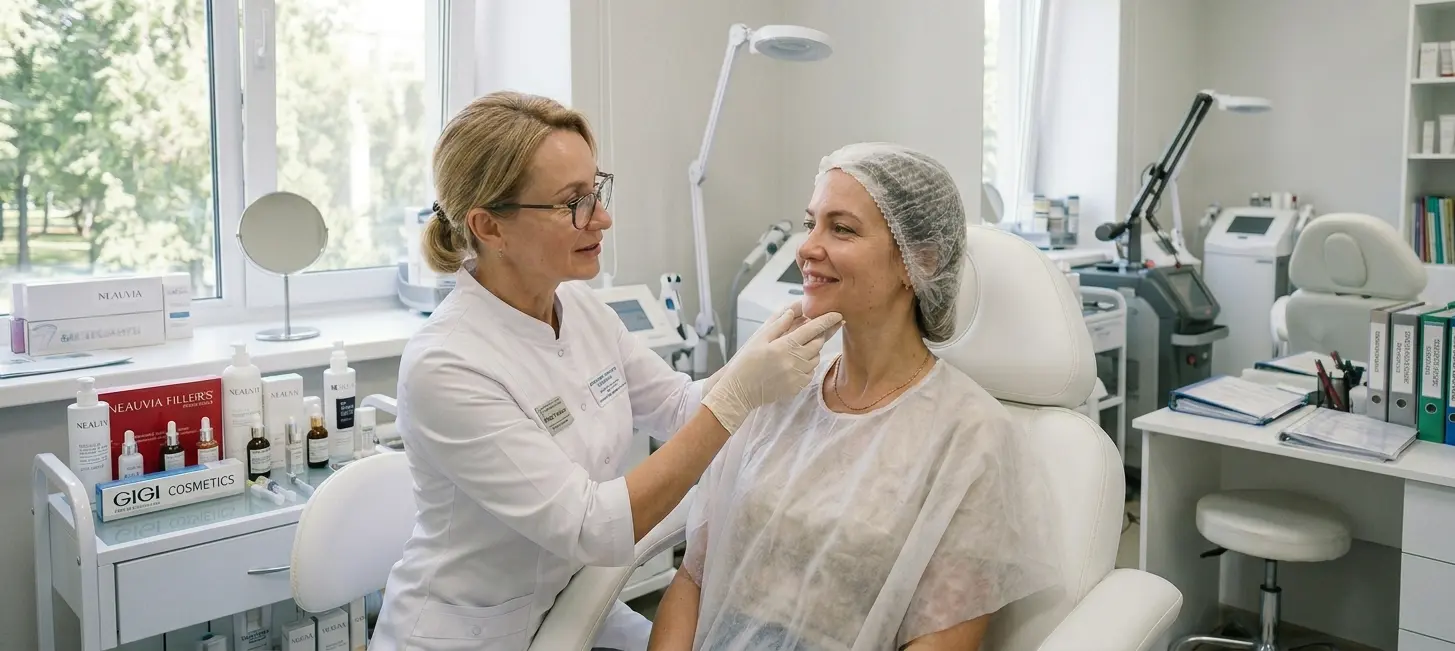
Філери на основі гіалуронової кислоти давно перестали бути рідкісною процедурою. Для когось це спосіб м’яко скоригувати контур губ, для когось - відновити об’єм у середній третині обличчя або зробити риси більш гармонійними. Саме через цю звичність легко створюється хибне враження, ніби йдеться про щось просте, майже побутове. Насправді ні. HA-філери - це повноцінна ін’єкційна процедура з чіткими показаннями, обмеженнями та ризиками, які залежать не лише від препарату, а й від зони введення, техніки, анатомії та досвіду спеціаліста.
Щоб краще зрозуміти, що таке гіалуронова кислота загалом і чому вона поводиться по-різному в кремі, сироватці чи ін’єкційному препараті, варто спочатку прочитати базовий матеріал «Гіалуронова кислота: повний гід для шкіри, процедур та безпечного застосування». А якщо ви ще тільки намагаєтеся зрозуміти, чи потрібні вам саме ін’єкції, корисною буде і стаття «Косметика чи ін’єкції з гіалуроновою кислотою: що обрати і для яких задач».
У цій статті зосередимося саме на безпеці. Не для того, щоб лякати, а навпаки - щоб розібратися спокійно і тверезо. Бо найбільше помилок у темі філерів народжується там, де людина або надто довіряє рекламі, або надто боїться окремих історій з інтернету. І те, й інше заважає приймати нормальні рішення.
Що таке HA-філери і чому питання безпеки тут особливо важливе
Гіалуронова кислота в догляді за шкірою працює зовсім не так, як у філерах. У кремі чи сироватці вона в основному допомагає утримувати вологу, зменшувати відчуття сухості та підтримувати бар’єр. Філер, навпаки, вводиться в тканини для того, щоб створити об’єм, дати опору або змінити контур певної ділянки. Це вже не просто доглядовий крок, а втручання, яке впливає на рельєф тканин і проходить у зонах, де є судини, нерви та індивідуальні анатомічні особливості.
Через це до філерів не варто ставитися як до «тієї самої гіалуронки, тільки в уколі». Таке формулювання звучить зручно для реклами, але погано допомагає зрозуміти реальність. Різниця між топічним продуктом і філером не косметична, а принципова. Якщо засіб із HA не підійшов шкірі, наслідки зазвичай обмежуються дискомфортом, липкістю, стягнутістю або реактивністю. Якщо ж проблема виникає після ін’єкції філера, спектр наслідків уже інший - від тимчасових, відносно легких реакцій до ситуацій, які потребують швидкого і грамотного медичного реагування.
При цьому важливо не впадати в іншу крайність. Сам факт, що процедура ін’єкційна, не робить її автоматично «небезпечною». У HA-філерів загалом добрий профіль безпеки, коли їх використовують за показаннями, якісним препаратом і в руках фахівця, який знає анатомію та вміє діяти не лише в ідеальному сценарії, а й у разі ускладнень. Саме тому питання безпеки тут зводиться не до паніки, а до якості рішень на кожному етапі - до процедури, під час неї і після неї.
Як працюють зшиті гелі і чому один філер не підходить для всіх задач
Гіалуронова кислота в природному вигляді поступово руйнується в тканинах. Щоб ін’єкційний препарат не зникав надто швидко і міг певний час зберігати форму, її стабілізують і перетворюють на зшитий гель. Простою мовою це означає, що структуру молекул організовують так, аби препарат поводився більш передбачувано: утримував об’єм, мав певну щільність, пружність і пластичність.
Саме тому філери не бувають однаковими. Один може бути м’якшим і краще підходити для делікатних зон, де потрібна природна інтеграція в тканини. Інший - щільнішим, коли потрібна підтримка або більш виражене моделювання. Значення має не лише «бренд», а й конкретна лінійка препарату, його реологічні властивості, зона введення, глибина, об’єм, техніка та стан тканин у конкретної людини.
Пацієнту не обов’язково знати всі технічні нюанси, але корисно розуміти головну думку: немає одного «найкращого» філера для всіх. Препарат, який добре спрацював у подруги або в одній зоні, може бути невдалим вибором для іншої анатомії чи іншої задачі. Частково тему властивостей гіалуронової кислоти ми розбираємо в матеріалі про низькомолекулярну та високомолекулярну гіалуронову кислоту, але у випадку з філерами важлива не лише сама молекула, а й те, як саме створений гель і для якої зони він задуманий.
Є ще один нюанс, який часто подають занадто спрощено: HA-філери вважають «оборотними», тому що в частині ситуацій їх можна коригувати гіалуронідазою. Це справді важлива перевага. Але вона не означає, що будь-яку помилку легко і безслідно виправити. По-перше, не всі небажані наслідки зводяться до надлишку препарату. По-друге, час реакції має значення. По-третє, сам факт наявності гіалуронідази не замінює ані грамотної техніки, ані профілактики помилок.
Які реакції після процедури вважаються нормальними, а які вже належать до ускладнень
Одна з найчастіших причин тривоги після процедури - очікування, що результат має виглядати ідеально вже в перший вечір. Насправді тканинам потрібен час, щоб відреагувати на ін’єкцію, адаптуватися до препарату і «заспокоїтися». Невеликий або помірний набряк, чутливість, почервоніння в точках уколів, синці, відчуття щільності чи наповненості, а іноді й тимчасова асиметрія в перші дні можуть бути частиною нормальної післяпроцедурної реакції.
Це не завжди означає, що все ідеально, але й не означає автоматично, що щось пішло не так. Особливо якщо йдеться про зони, схильні до набряклості, або про перші дні, коли тканини ще реагують на сам факт втручання. Саме тому оцінювати результат надто рано - одна з найтиповіших помилок. Людина починає розглядати себе в збільшувальному дзеркалі, порівнювати правий і лівий бік по міліметру і панікувати через те, що часто є просто проміжним етапом.
Але інша крайність теж небезпечна - пояснювати будь-яку проблему словами «це нормально, почекайте». До реальних небажаних явищ можуть належати стійкі нерівності, поверхневе розташування препарату, контурювання, видимий або синюватий відтінок шкіри через надто поверхневе введення, що відомо як ефект Тіндаля, міграція препарату, запальні реакції, інфекційні ускладнення, а також судинні події. Усе це не однакові за тяжкістю стани, але саме тому важливо не зводити розмову лише до двох категорій - «усе добре» або «все катастрофа».
З практичної точки зору зручно думати про реакції в кількох рівнях. Перший - очікувані ранні реакції: набряк, синці, болючість, чутливість, невелика нерівномірність. Другий - естетичні проблеми: коли препарат виглядає неприродно, контурює, лежить занадто поверхнево або не відповідає задачі зони. Третій - запальні й інфекційні ускладнення. І четвертий - судинні ускладнення, які хоч і трапляються рідко, але є найважливішими з точки зору швидкості реагування. Такий поділ корисний ще й тим, що допомагає не драматизувати звичайний синець, але й не пропустити справді небезпечний симптом.
Як зазначають G. Murray, C. Convery, L. Walker і E. Davies у статті Guideline for the Management of Hyaluronic Acid Filler-Induced Vascular Occlusion, ключове значення має раннє розпізнавання судинної оклюзії та своєчасна допомога. Саме тому після філерів не можна ігнорувати різкий або наростаючий біль, виражене збліднення чи мармуровість шкіри, холодну на дотик ділянку, зміну кольору тканин або зорові симптоми. Це вже не історія про «почекати до ранку».
Для загального розуміння відновлення шкіри після втручань вам також може бути корисний матеріал «Гіалуронова кислота після пілінгів і лазера: коли можна та як відновлювати бар’єр». Хоча філери - окрема тема, логіка уважного ставлення до бар’єра, реактивності та тривожних симптомів тут теж важлива.
Чому виникають ускладнення і як реально зменшити ризики ще до процедури
У реальному житті ускладнення майже ніколи не виникають через одну-єдину причину. Зазвичай це поєднання кількох чинників. Наприклад, зона сама по собі може бути анатомічно складною, препарат - неідеально підібраним, а техніка - занадто агресивною або просто невідповідною для конкретної тканини. Або ж усе технічно виконано непогано, але пацієнт мав активне запалення, не повідомив про певні препарати чи попередні втручання, а після процедури не дотримувався рекомендацій.
Велике значення має анатомія. На обличчі є ділянки, де «ціна помилки» вища через особливості судинної мережі. Саме тому безпека залежить не лише від того, наскільки дорогий препарат використали, а й від того, чи розуміє спеціаліст, що робить у конкретній зоні, на якій глибині працює, яким об’ємом, з якою швидкістю і з якою метою. Іншими словами, хороший філер у невідповідних руках не перетворюється автоматично на безпечний.
Ще одна типова помилка - орієнтація тільки на акцію, знижку або фото «до/після» без контексту. У темі філерів така логіка особливо підступна, тому що результат може виглядати красиво на картинці, але абсолютно нічого не говорити про безпеку, прогнозованість чи здатність спеціаліста впоратися з проблемою, якщо щось піде не за планом. Не менш оманливими бувають і міфи на кшталт «гіалуронова кислота завжди безпечна, бо вона природна» або «якщо препарат можна розчинити, значить ризиків майже немає». Частину таких уявлень ми окремо розбираємо в матеріалі «Міфи про гіалуронову кислоту: що правда, а що маркетинг».
Зменшення ризиків починається ще до ін’єкцій. На консультації важливо чесно сказати про все, що може мати значення: активні висипання, герпес, нещодавні стоматологічні втручання, схильність до сильних набряків або синців, аутоімунні стани, алергічні реакції в анамнезі, прийом антикоагулянтів чи інших препаратів, попередні філери, нитки, лазерні процедури, пілінги, ретиноїди, недавні запалення або інфекції. Іноді саме ця інформація визначає, чи варто робити процедуру зараз, чи краще перенести її.
Є просте правило: хороша профілактика ускладнень - це не «правильний догляд після», а вся послідовність грамотних рішень до того, як шприц взагалі торкнувся шкіри.
Як вибрати спеціаліста і що обов’язково запитати на консультації
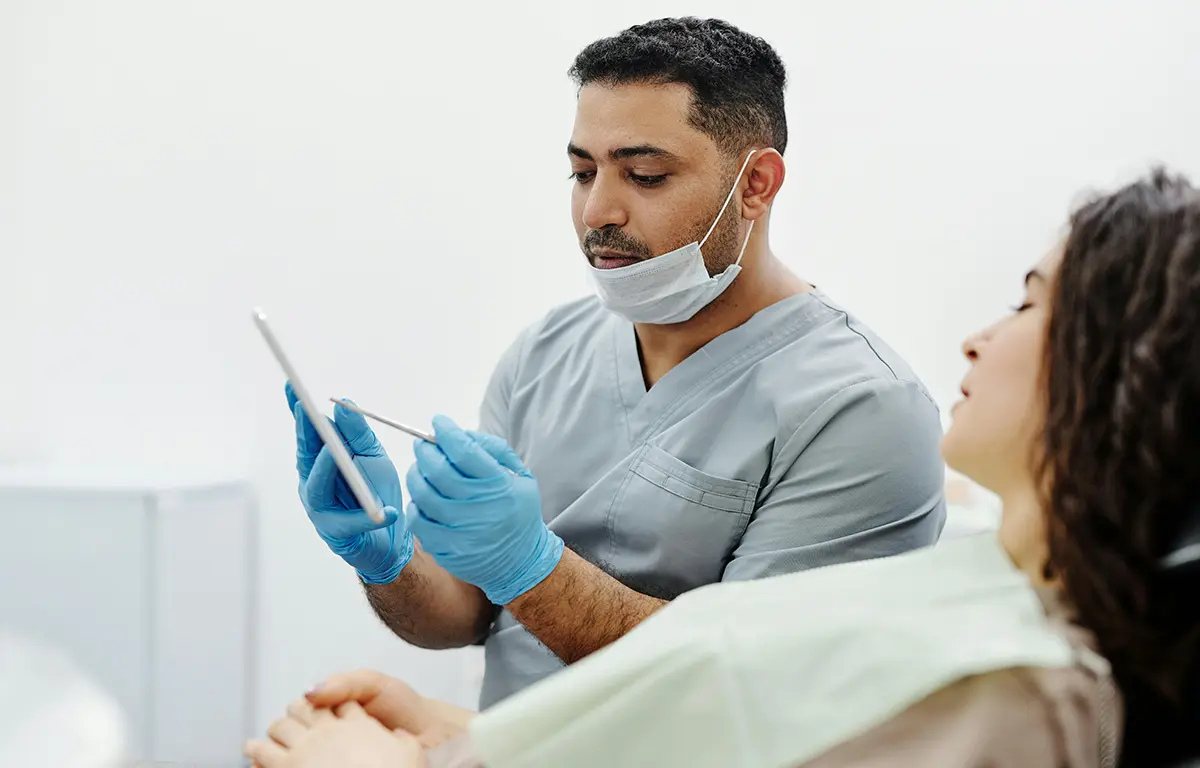
Мабуть, це найпрактичніший блок у всій темі безпеки. Бо більшість людей не може самостійно оцінити реологію препарату, технічні нюанси ін’єкції чи анатомічні орієнтири. Але майже кожен може оцінити, як проходить консультація. І саме вона часто дуже добре показує, чи перед вами фахівець, який мислить клінічно, чи людина, яка просто продає процедуру.
Нормальна консультація не починається з фрази «вам точно треба ось це». Вона починається з розмови про задачі, анамнез, попередні процедури, очікування і межі можливого. Спеціаліст уточнює, що саме вас турбує, чи була раніше корекція цієї зони, як тканини поводилися після попередніх втручань, чи є медичні обмеження, запальні процеси, нещодавнє лікування зубів, герпетичні висипання або інші фактори ризику.
На консультації варто прямо запитати, який саме препарат планується використовувати і чому. Не в стилі допиту, а спокійно і по суті. Важливо почути не лише назву бренду, а й логіку вибору: чому цей філер підходить саме для цієї зони, чому не інший, який результат очікується, як довго він зазвичай тримається і які особливості має у вашому випадку.
Не менш важливе питання - що буде, якщо щось піде не так. У хорошого спеціаліста немає роздратування від таких тем. Навпаки, він здатен пояснити, які реакції після процедури нормальні, що має насторожити, як із ним зв’язатися, чи є план дій при ускладненнях і чи доступна гіалуронідаза. Це не «незручні» питання, а нормальна частина інформованої згоди.
Окремо варто звернути увагу на тон консультації. Якщо вас підганяють, обіцяють ідеальний результат без нюансів, знецінюють ризики, не збирають анамнез, не пояснюють післяпроцедурні кроки або ухиляються від конкретики щодо препарату, це серйозний привід не поспішати. У темі ін’єкцій занадто велика роль дрібниць, щоб довіряти процесу, який від самого початку побудований на поспіху.
Для ширшого контексту вибору між ін’єкціями та топічним доглядом можна також звернутися до статті про косметику та ін’єкції з гіалуроновою кислотою. Вона допомагає краще зрозуміти, коли процедура справді вирішує задачу, а коли очікування просто не збігаються з можливостями методу.

Що робити після ін’єкцій і в яких випадках не можна чекати
Після процедури шкірі й тканинам потрібен не геройський догляд, а спокій. Найпоширеніша помилка в цей період - почати активно перевіряти результат руками, тиснути на зону, намагатися щось «розім’яти» або, навпаки, перелякатися кожної дрібниці в дзеркалі. Відразу після ін’єкцій тканини ще не стабільні, тому зайве втручання тільки погіршує ситуацію.
Конкретні рекомендації залежать від зони і препарату, але загальна логіка майже завжди однакова: не травмувати ділянку, не перегрівати її, не створювати надмірного тиску і не додавати агресивних впливів у перші дні. Зазвичай радять тимчасово уникати інтенсивних тренувань, сауни, дуже гарячих процедур, активного масажу без призначення лікаря та будь-яких самостійних спроб «поправити» результат.
Є і психологічний момент, про який рідко говорять прямо. Після ін’єкцій багато хто починає надмірно фокусуватися на зоні корекції. Людина фотографує себе при різному світлі, порівнює половини обличчя, шукає асиметрію, якої в спокійному стані навіть не помітила б. Часто це тільки підсилює тривогу. Тому одна з найрозумніших порад після філерів - не оцінювати фінальний результат надто рано і не намагатися самостійно інтерпретувати кожну дрібницю без зв’язку зі своїм спеціалістом.
Втім, є симптоми, щодо яких справді не варто чекати. До них належать сильний або наростаючий біль, який не схожий на звичайну чутливість після ін’єкцій, раптове збліднення або мармуровість шкіри, синюшність, холодна на дотик ділянка, швидке посилення набряку разом зі зміною кольору тканин, виражене почервоніння з жаром і болючістю, гнійні прояви, а також будь-які зорові симптоми - затуманення, двоїння, погіршення зору. У таких випадках головне - не шукати заспокоєння в коментарях, а негайно зв’язатися зі спеціалістом або звернутися по медичну допомогу.
Якщо ж мова йде не про екстрену проблему, а про загальну делікатну підтримку шкіри після інших впливів, вам може стати в пригоді стаття «Гіалуронова кислота після пілінгів і лазера: коли можна та як відновлювати бар’єр». Але у випадку з філерами будь-які додаткові дії навколо зони ін’єкцій краще узгоджувати саме з тим фахівцем, який виконував процедуру.
Висновок
Філери на основі гіалуронової кислоти - це не «страшна процедура», але й не дрібниця, до якої варто ставитися легковажно. Їхня безпека не тримається на везінні чи на гучному бренді препарату. Вона складається з багатьох нормальних, земних речей: правильно обраної зони, адекватних очікувань, чесно зібраного анамнезу, якісного препарату, знання анатомії, акуратної техніки та вміння спеціаліста розпізнати проблему тоді, коли це дійсно важливо.
Чим краще людина розуміє, що саме вона робить і навіщо, тим менше шансів на імпульсивне рішення у стилі «бо всі роблять» або «бо зараз акція». Тому корисно читати не лише про безпеку філерів, а й про базові властивості гіалуронової кислоти, різницю між косметикою та ін’єкціями та міфи, які спотворюють уявлення про HA. Це допомагає дивитися на процедуру спокійніше, тверезіше і без зайвих ілюзій.