






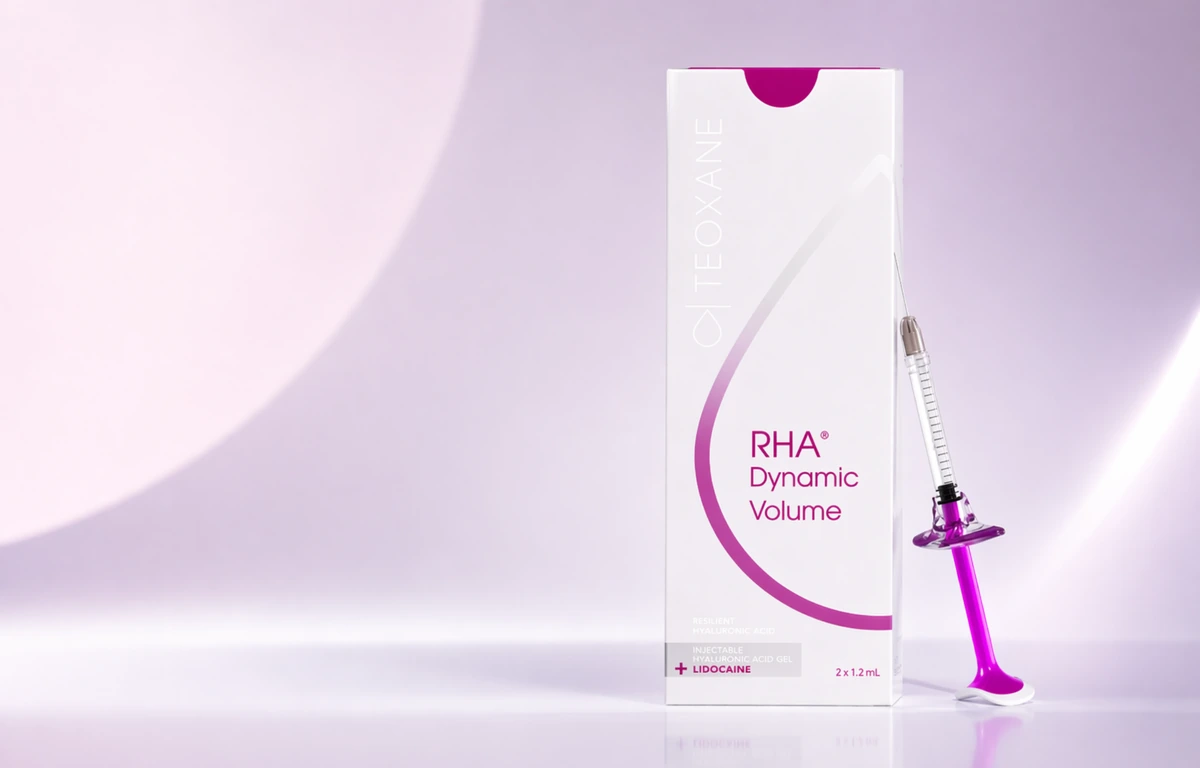
Revance e Teoxane anunciaram a aprovação da FDA para o RHA Dynamic Volume, da coleção Teoxane RHA, para aumento malar e correção das alterações de contorno relacionadas ao envelhecimento no terço médio da face em adultos a partir dos 22 anos. A publicação informa que o produto era anteriormente conhecido como RHA 4 Mepi, e que o lançamento oficial sob o novo nome RHA Dynamic Volume está previsto para o primeiro trimestre de 2026.
As empresas destacam que o produto foi desenvolvido para modelagem dinâmica de contorno e suporte estrutural. Segundo a descrição apresentada, o RHA Dynamic Volume foi concebido para proporcionar um aspecto natural tanto em repouso quanto em movimento, mantendo a integridade estrutural e adaptando-se à mímica facial. O material também ressalta que o preenchedor utiliza a Preserved Network Technology — um processo suave e homogéneo de reticulação sem aquecimento, que ajuda a preservar a estrutura natural do ácido hialurónico.
«Estamos extremamente orgulhosos da aprovação do RHA Dynamic Volume para o terço médio da face. Esta notícia representa o segundo grande avanço da coleção Teoxane RHA nos últimos meses, após a evolução da linha com a introdução do anestésico local mepivacaína no fim de agosto. A nova indicação para o terço médio da face permite-nos responder a ainda mais necessidades dos pacientes do que nunca».
Nadim Moiz, CEO da Revance.
A Revance também afirmou que continua a investir em inovação e procura oferecer diferentes opções de tratamento para um amplo espectro de necessidades estéticas dos pacientes.
O que exatamente a FDA aprovou para o RHA Dynamic Volume?
A decisão regulatória abrange duas indicações dentro da mesma aprovação: aumento malar e correção das alterações de contorno do terço médio da face associadas ao envelhecimento. Na prática, isso significa que o produto recebeu aprovação oficial especificamente para trabalhar volume e contornos da região midface, e não apenas um posicionamento genérico como preenchedor à base de ácido hialurónico.
No contexto da prática em medicina estética, isso é particularmente relevante porque o terço médio da face continua a ser uma das zonas-chave em que o envelhecimento afeta tanto a projeção quanto o suporte tecidual e a perceção global do rosto. É por isso que esta nova aprovação é apresentada como um passo próprio e importante na evolução da coleção Teoxane RHA.
Em que dados clínicos se baseia a decisão?
Segundo a publicação, a aprovação da FDA é sustentada por resultados positivos de um programa clínico de fase III com 52 semanas de duração. Nesse programa, a eficácia e a segurança do RHA Dynamic Volume foram avaliadas num estudo prospetivo, randomizado, multicêntrico e duplamente cego, com comparação frente ao Juvéderm Voluma XC em pacientes com défice de volume moderado a severo no terço médio da face.
De acordo com as empresas, o RHA Dynamic Volume demonstrou eficácia comparável à do Voluma. Ao mesmo tempo, os pacientes tratados com RHA Dynamic Volume necessitaram de menos sessões de tratamento e de menos procedimentos corretivos de touch-up para alcançar resultados semelhantes. Os pacientes também relataram melhorias na atratividade, aparência mais jovem, lisura, contorno e simetria das maçãs do rosto.
O material destaca ainda que mais de 94% dos participantes relataram aparência e sensação naturais do resultado, tanto em repouso quanto em movimento, durante um período de até um ano após o procedimento. Além disso, os pacientes não relataram sensação de rigidez da mímica facial, o que, na avaliação das empresas, reforça a capacidade do preenchedor de se adaptar às expressões faciais dinâmicas.
Durante o programa clínico, 75% dos participantes receberam tratamento simultâneo nos compartimentos de gordura superficial e profunda para alcançar uma restauração volumétrica mais equilibrada. A publicação sublinha que o RHA Dynamic Volume apresentou um perfil de segurança favorável: não foram relatados eventos adversos tardios ou graves relacionados ao tratamento, nem ocorrências classificadas como granulomas ou reações inflamatórias tardias.
O que isto significa para a correção do terço médio da face?
Teoxane e Revance apresentam esta aprovação como um avanço importante para o midface contouring contemporâneo, em que o médico não atua apenas sobre um ponto isolado de défice, mas sobre uma restauração integrada de volume, contornos e proporções. O foco principal recai na combinação entre suporte estrutural, integração natural nos tecidos e preservação da expressividade facial.
Nesse contexto, o RHA Dynamic Volume é descrito como um preenchedor que combina alta capacidade de projeção com adaptabilidade dinâmica. A publicação frisa que esse perfil pode ser especialmente relevante para o terço médio da face, onde o resultado precisa parecer natural não só em fotografia, mas também em movimento.
Como o comunicado descreve a Teoxane MLT Multilayering Technique?
O material também dá destaque à Teoxane MLT Multilayering Technique — uma abordagem injetável individualizada para restauração de volume do terço médio da face com um único gel adaptativo, o RHA Dynamic Volume. A Teoxane explica que a técnica envolve a aplicação estratégica do produto nas camadas subcutânea e supraperióstea para restaurar volume, redefinir contornos e harmonizar as proporções faciais de acordo com a anatomia e o padrão de envelhecimento de cada paciente.
A empresa sublinha ainda que esta abordagem se baseia em precisão anatómica e na lógica proprietária ATP — Anatomy, Assessment & Ageing, Technique, Product. Segundo a descrição do comunicado, a técnica privilegia segurança e precisão por meio da identificação e evitação de zonas vasculares de maior risco, tendo como objetivo um rejuvenescimento subtil e natural, sem sobrecorreção.
«Este estudo marca a entrada no mercado norte-americano de uma abordagem de correção de contorno do terço médio da face que, na Europa, já é sustentada há mais de dez anos por dados de vigilância pós-comercialização. Graças à versatilidade do RHA Dynamic Volume e à técnica Teoxane MLT Multilayering Technique, os médicos passam agora a poder tratar o défice de volume do terço médio da face atuando em vários níveis teciduais — tanto nos compartimentos de gordura profundos quanto nos superficiais».
Sandra Chennoufi, Chief Scientific Officer da Teoxane.
O que dizem os investigadores sobre a nova aprovação?
A publicação também traz a avaliação do Dr. Steven Dayan, facial plastic surgeon com dupla certificação e professor assistente clínico da University of Illinois. Ele descreve a aprovação do RHA Dynamic Volume para o terço médio da face como um passo importante para toda a indústria e destaca a relevância dos resultados observados durante o estudo.
«A aprovação do RHA Dynamic Volume para o terço médio da face é um avanço entusiasmante para todo o setor. Os resultados que vimos durante o estudo foram verdadeiramente impressionantes, e fico satisfeito por poder oferecer aos meus pacientes uma opção de tratamento individualizada».
Dr. Steven Dayan, facial plastic surgeon e Clinical Assistant Professor at the University of Illinois.
Breve nota sobre Revance e Teoxane
Na publicação, a Revance é descrita como uma empresa global nas áreas de estética e skincare, dedicada ao desenvolvimento de soluções inovadoras para diferentes fases da vida. O seu portefólio inclui DAXXIFY, a coleção Teoxane RHA e SkinPen, bem como marcas de cuidados com a pele voltadas ao consumidor, incluindo PanOxyl, Blue Lizard, StriVectin e BIOJUVE.
O texto também esclarece que a tecnologia RHA é proprietária da Teoxane e é produzida na Suíça pela Teoxane SA, enquanto a Revance atua como distribuidora independente da coleção Teoxane RHA nos Estados Unidos. Por isso, a notícia da aprovação da FDA é apresentada como uma conquista conjunta da Revance e da Teoxane.