





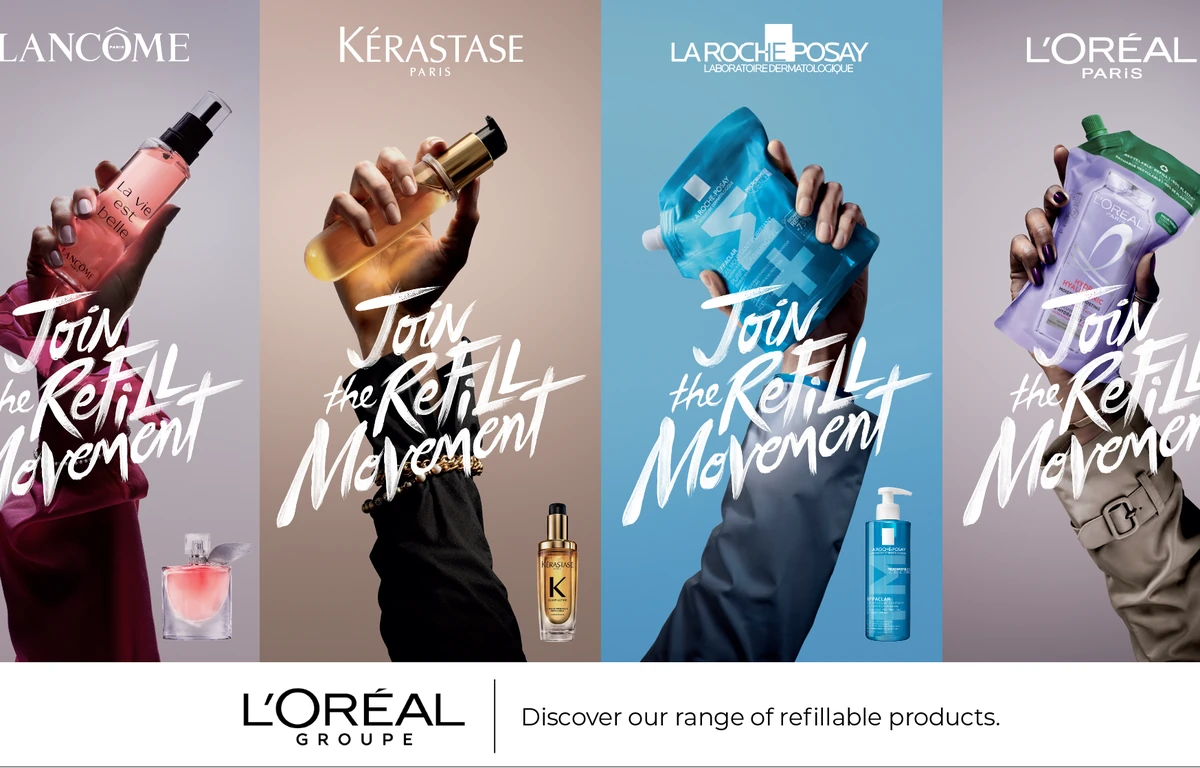
L’Oréal Groupe a lancé la troisième et la plus vaste édition de la campagne #JoinTheRefillMovement, consacrée au rechargement des produits cosmétiques. En 2026, l’initiative a réuni 4 divisions du groupe, 18 marques et 28 produits dans différentes catégories - des soins de la peau et des parfums au maquillage et aux soins capillaires.
La campagne a été lancée à l’occasion du World Refill Day, célébré le 16 juin. Chez L’Oréal, on souligne que cette année, l’initiative a non seulement une dimension informative, mais aussi un caractère pratique : les marques collaborent plus activement avec les réseaux sociaux, les partenaires de vente au détail, les magasins et les canaux en ligne afin de rendre les recharges plus visibles et plus accessibles aux acheteurs.
Selon l’entreprise, le rechargement ne doit plus être perçu comme un choix de niche ou compliqué. L’Oréal relie directement la campagne à l’écart entre le désir des consommateurs d’agir de manière plus responsable et leurs achats quotidiens réels. Dans son communiqué, le groupe cite une enquête internationale de Kantar, selon laquelle 84 % des consommateurs souhaitent faire des choix plus responsables, mais la notoriété des recharges, leur facilité d’utilisation et un avantage de prix clairement compréhensible restent des facteurs importants.
En 2026, L’Oréal positionne le rechargement comme une solution qui doit être accessible non seulement dans certains produits premium, mais aussi dans différents segments de prix, catégories et canaux de vente. C’est pourquoi la campagne couvre les 4 divisions clés du groupe : luxe, grand public, professionnel et dermatologique.
Dans la division luxe de L’Oréal, la participation à la campagne a été étendue à 10 marques. Youth to the People et Helena Rubinstein ont rejoint l’initiative pour la première fois. Parmi les nouveaux produits que l’entreprise met particulièrement en avant dans le cadre de la campagne figurent YSL MYSLF, Prada Paradigme et Lancôme Génifique.
Dans le segment grand public, Garnier a rejoint #JoinTheRefillMovement. La marque a présenté des formats rechargeables dans deux collections Ultra Doux. Pour L’Oréal, il s’agit d’un axe important, car c’est précisément le segment grand public qui peut rendre le rechargement plus habituel pour un large public, et pas seulement pour les acheteurs de cosmétiques premium.
La division professionnelle déploie la campagne à plus grande échelle via Redken et L’Oréal Professionnel. Le communiqué mentionne également Metal DX pour le marché chinois. Cela montre que le format rechargeable est progressivement envisagé non seulement comme une solution pour les soins à domicile, mais aussi comme une partie d’un système plus large de produits professionnels et du circuit des salons.
La division dermatologique de L’Oréal a, pour la première fois, réuni La Roche-Posay, Vichy et CeraVe autour de solutions de recharge dans la catégorie des soins dermatologiques. Pour ce segment, la question de l’emballage est particulièrement importante, car ces marques sont souvent présentes en pharmacie, dans les circuits dermatologiques et dans les soins quotidiens, où les achats répétés peuvent être réguliers.
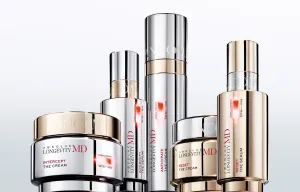
Chaque produit de la campagne affiche séparément un indicateur annoncé de réduction de l’utilisation des matériaux d’emballage. Par exemple, selon L’Oréal, choisir la recharge de Lancôme Absolue Longevity Soft Cream au lieu de racheter le pot standard permet de réduire l’utilisation du verre de 100 %, du métal de 95 %, du plastique de 42 % et du carton de 36 %.
L’entreprise souligne que ces indicateurs sont présentés comme des réductions concrètes et mesurables, et non comme des promesses générales pour l’avenir. Une telle approche est importante pour la communication avec les consommateurs, car le sujet de l’emballage responsable nécessite souvent non seulement une belle idée, mais aussi des chiffres clairs pour chaque produit pris individuellement.
Chez L’Oréal, on indique également que le développement du rechargement est lié non seulement au marketing, mais aussi à la production. Le groupe investit dans des capacités spécifiques pour la fabrication de formats rechargeables : à Gauchy et à Aulnay pour les parfums, à Burgos pour les soins capillaires et à Vichy pour les soins de la peau.
Selon l’entreprise, le nombre de solutions rechargeables disponibles au sein du groupe a été multiplié par 3,7 entre 2019 et 2025. Cela signifie que L’Oréal fait progressivement passer le format rechargeable du stade de lancements ponctuels à une partie plus systémique de sa politique d’assortiment.
Un élément distinct de cette stratégie est le programme L’AcceleratOR, doté de 100 millions d’euros. Il vise à soutenir de nouvelles solutions d’emballage et des matériaux de nouvelle génération. Le communiqué mentionne parmi ces orientations des emballages à base d’algues, du bioplastique à base de canne à sucre et des bouteilles en papier recyclables.
L’entreprise souligne que le rechargement nécessite des changements dans toute la chaîne de création du produit - de la conception de l’emballage et de la fabrication à la coopération avec les partenaires de vente au détail et à l’explication des avantages pour les acheteurs. C’est pourquoi la campagne ne couvre pas une seule marque ou une seule catégorie, mais différentes divisions du groupe simultanément.
Pour le marché des cosmétiques, cette actualité est importante прежде tout par son ampleur. Lorsqu’un grand groupe international lance ou promeut simultanément des dizaines de produits avec recharge dans différentes catégories, le rechargement cesse progressivement d’être une option écologique distincte et devient une partie de l’offre produit habituelle.
Cependant, L’Oréal ne présente pas le rechargement comme l’unique solution au problème de l’emballage. Dans le communiqué, il est envisagé comme l’une des composantes d’une stratégie plus large d’emballage responsable, aux côtés des investissements dans la production, les nouveaux matériaux, le recyclage et l’accessibilité des formats rechargeables pour les consommateurs.
La campagne #JoinTheRefillMovement en 2026 montre que les grandes entreprises cosmétiques travaillent de plus en plus activement non seulement sur les formules des produits, mais aussi sur la manière dont ces produits sont fabriqués, vendus, rachetés et perçus par les acheteurs. Pour l’industrie de la beauté, c’est un signal supplémentaire : l’emballage devient une partie de la stratégie de marque, de l’expérience consommateur et de la concurrence entre les entreprises.