






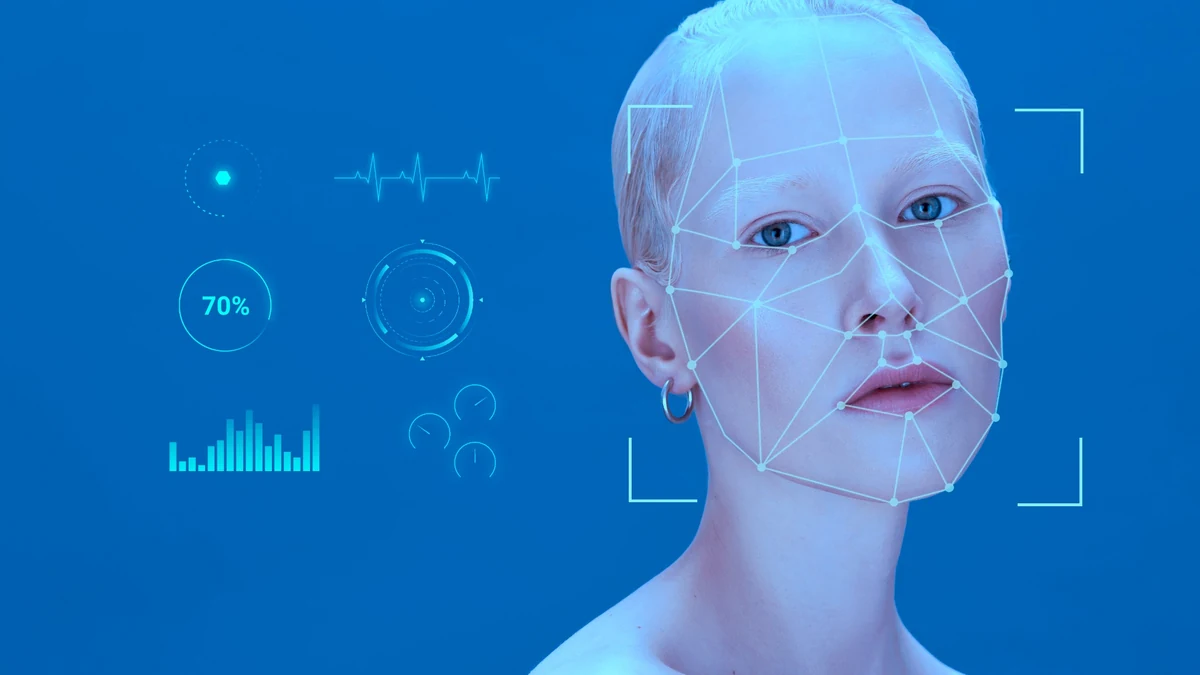
Fino a poco tempo fa, la digitalizzazione nel settore della bellezza sembrava piuttosto semplice: prenotazioni online nei saloni, cataloghi di cosmetici, filtri per marchio, moduli di feedback, alcuni tag nelle schede prodotto. Per l'epoca, era sufficiente. L'utente poteva trovare più rapidamente l'indirizzo di una clinica, consultare un listino prezzi, scegliere una crema dalla categoria desiderata o richiedere una consulenza.
Ma il mercato della bellezza è diventato più complesso. Il cliente non arriva solo con il desiderio di "comprare una crema" o "prenotare un trattamento". Arriva con un intero sistema di domande: questo attivo è adatto alla mia pelle? Ci saranno irritazioni? Come distinguere una raccomandazione professionale da una promessa pubblicitaria? A chi affidare un trattamento iniettivo o con apparecchiature? Ho davvero bisogno di un nuovo prodotto o il problema è che la mia routine è già sovraccarica?
In questo punto emerge Beauty 3.0 - una fase in cui algoritmi, strumenti di intelligenza artificiale, sistemi di raccomandazione e analisi dei dati iniziano a influenzare non solo la pubblicità, ma anche la logica stessa della scelta. Non si tratta di una storia in cui la macchina sostituisce il cosmetologo, il dermatologo, il tecnologo del marchio o il consulente. È una storia di nuova infrastruttura: l'utente passa più velocemente da una ricerca caotica a una decisione più consapevole, mentre il mercato professionale ottiene strumenti per una comunicazione più precisa, un pre-filtraggio delle richieste e una personalizzazione.
In un senso più ampio, è parte di ciò che già forma il nuovo ecosistema digitale nel settore della bellezza: un ambiente in cui marchi, professionisti, saloni, negozi, centri di formazione, cataloghi di prodotti e richieste degli utenti si uniscono gradualmente in un percorso più comprensibile.
Il mercato non inizia più dal prodotto
La comunicazione classica nel settore della bellezza è stata a lungo costruita attorno al prodotto. C'è una crema, un siero, un peeling, un trattamento con apparecchiature, una tecnica iniettiva o una linea di marca - e il compito della comunicazione è spiegare perché scegliere proprio quello. In questo modello, il cliente si trovava spesso di fronte a un eccesso di opzioni, ma senza una mappa chiara.
Questo è particolarmente evidente nelle categorie in cui la scelta non può essere casuale: cura attiva a domicilio, retinoidi, acidi, prodotti per pelli sensibili, protocolli anti-età, pigmentazione, acne, rosacea, recupero post-trattamento, tecniche con apparecchiature e iniettive. Qui, vedere una bella immagine e la frase "per una pelle radiosa" non basta. Deve capire se è davvero ciò che cerca, se il prodotto non confligge con la cura già in atto, se è necessaria una consulenza o se è meglio iniziare con una soluzione più delicata.
L'approccio algoritmico sposta il focus. Non parte dal prodotto, ma dal contesto: tipo di pelle, età, obiettivo della cura, esperienze precedenti, sensibilità, budget, stagionalità, geografia, disponibilità di un esperto, cronologia delle visualizzazioni, reazioni a raccomandazioni precedenti. In forma semplice, può essere un test o un filtro intelligente. In forma più complessa - un sistema di raccomandazione, analisi dei parametri visibili della pelle tramite immagine, assistente beauty personalizzato o algoritmo di selezione dello specialista.
È importante non esagerare. L'algoritmo non deve diagnosticare né assumere responsabilità cliniche. Ma può fare ciò che spesso manca all'utente nella fase iniziale: ridurre il rumore, eliminare le opzioni chiaramente irrilevanti, porre le domande preliminari giuste e mostrare quando è sufficiente la cura a domicilio e quando è meglio rivolgersi a un esperto.
Non ogni "selezione AI" è vera AI
Nel settore della bellezza, la parola "AI" è spesso usata troppo ampiamente. A volte si intende un vero modello di intelligenza artificiale che analizza i dati e rileva schemi. Altre volte - un semplice test o filtro, dove tutte le opzioni di risposta sono state predefinite da una persona. Per l'utente, entrambi i formati possono sembrare una "selezione intelligente", ma per principio di funzionamento sono cose diverse.
Sistema basato su regole - è un sistema costruito su regole. La sua logica è: "se l'utente sceglie questa opzione, mostra questo risultato". Ad esempio: se una persona indica pelle secca, il sistema propone prodotti idratanti; se sceglie sensibilità, rimuove acidi aggressivi dalle raccomandazioni; se è interessata a una procedura iniettiva, mostra un blocco con il consiglio di consultare uno specialista.
Quindi non è AI nel senso moderno di apprendimento automatico o modello generativo, ma una logica creata in anticipo da un esperto o dal team della piattaforma. Un sistema del genere può essere utile e ben ponderato, ma non "impara" dai nuovi dati e non trova schemi nascosti. Esegue uno scenario scritto in anticipo.
In parole semplici, una selezione basata su regole è un questionario ben strutturato o un albero decisionale. La sua qualità dipende non dall'"intelligenza" del sistema, ma da quanto bene sono scritte le regole. Se le regole sono professionali, la selezione può essere molto utile. Se le regole sono superficiali, il risultato sarà altrettanto superficiale, anche se sul sito è chiamato raccomandazione AI.
Sistema di apprendimento automatico analizza grandi quantità di dati e durante l'apprendimento trova connessioni ricorrenti che poi utilizza per previsioni o raccomandazioni. Ad esempio, un semplice questionario basato su regole può agire così: "se l'utente sceglie pelle secca - mostra creme per pelle secca". Un modello di apprendimento automatico può notare una connessione più complessa: persone con secchezza, irritazione e frequenti richieste di anti-età tornano più spesso a creme barriera senza acidi, anche se inizialmente cercavano prodotti attivi per il ringiovanimento.
L'apprendimento automatico appartiene già al campo dell'AI, perché il sistema non segue solo un'istruzione predefinita, ma utilizza i dati per costruire previsioni o raccomandazioni. Può vedere quali prodotti vengono acquistati più frequentemente da persone con determinate richieste, quali combinazioni di prodotti vengono scelte più spesso dopo una consulenza, quali categorie funzionano meglio nella stagione SPF, quali profili di esperti rispondono più frequentemente a tipi specifici di richieste.
Ma ciò non significa che una raccomandazione basata su machine learning sia automaticamente migliore di un semplice questionario basato su regole. Se i dati sono incompleti, mal etichettati o sbilanciati verso determinati prodotti, marchi, tipi di pelle o interessi commerciali, il modello può commettere errori più convincenti di un semplice questionario. Ecco perché nel settore della bellezza è importante valutare non solo "se c'è AI", ma anche la qualità dei dati, la logica delle raccomandazioni e il controllo professionale.
C'è anche AI generativo - ad esempio, un assistente chat che può condurre un dialogo, spiegare la differenza tra i prodotti, aiutare a formulare domande per il cosmetologo o tradurre un linguaggio professionale complesso in uno scenario più comprensibile. Anche questo è AI, ma il suo punto di forza non è la valutazione clinica né la decisione autonoma, ma la comunicazione, la sintesi e la navigazione.
Quindi la questione non è se c'è scritto "selezione AI" sul pulsante. È più importante capire come funziona il sistema, su quali dati si basa, se spiega la logica della raccomandazione, se riconosce i suoi limiti e se lascia spazio alla valutazione professionale.
Per una semplice selezione di creme può essere sufficiente un questionario basato su regole di qualità. Per una personalizzazione più complessa sono necessari dati, un modello, controllo di qualità e supervisione umana. E per richieste legate allo stato della pelle, ai trattamenti o alle possibili controindicazioni, nessun formato - né basato su regole, né machine learning, né AI generativo - dovrebbe sostituire uno specialista.
Cosa fanno già gli algoritmi nell'industria della bellezza
Nell'infrastruttura beauty moderna, gli algoritmi non lavorano in un solo luogo, ma a diversi livelli. Alcuni di essi sono visibili all'utente: test, assistenti chat, raccomandazioni di prodotti, prove virtuali. Altri rimangono all'interno del business: analisi della domanda, previsione degli acquisti ripetuti, segmentazione dei clienti, valutazione dell'efficacia delle descrizioni, gestione del catalogo.
- Sistemi di raccomandazione. Aiutano a selezionare prodotti, trattamenti o esperti in base alla richiesta, categoria, composizione, budget, posizione, cronologia delle interazioni o profilo professionale.
- Analisi dei parametri visibili della pelle. Questi strumenti possono valutare segni visivi: texture, pori, rossori, disomogeneità del tono, pigmentazione, rughe, a volte manifestazioni visibili di acne o untuosità. Ma il risultato dipende dall'illuminazione, dalla fotocamera, dalla qualità della foto, dai dati di apprendimento e dalla corretta interpretazione.
- Prova virtuale. Modelli AR e generativi aiutano a immaginare il colore di un rossetto, di un fondotinta, di una tinta per capelli o di un certo look. Questo riduce l'incertezza, ma non garantisce una corrispondenza completa con la realtà.
- Assistenti digitali. Possono rispondere a domande tipiche, spiegare le differenze tra i prodotti, creare una routine di base, ricordare le fasi della cura o aiutare a prepararsi per una consulenza.
- Analisi per marchi, negozi e saloni. Gli algoritmi possono mostrare quali categorie stanno crescendo, quali servizi riportano clienti, dove gli utenti interrompono il percorso verso la prenotazione o l'acquisto, quali prodotti necessitano di una spiegazione migliore.
Nel mercato internazionale, questo non è più un pronostico futuristico. Grandi aziende beauty stanno implementando assistenti AI, scansioni selfie, meccanismi di raccomandazione personalizzati e prove AR. L’Oréal descrive Beauty Genius come un assistente di bellezza potenziato dall'AI con raccomandazioni personalizzate, scansioni selfie, prove AR e un database di prodotti. Perfect Corp sviluppa AI Skin Analyzer per marchi, rivenditori e piattaforme, inclusa l'analisi dei parametri visibili della pelle e integrazioni API/SDK per le aziende.
La tendenza è chiara: la scelta online nel beauty sta gradualmente cessando di essere una semplice visualizzazione di un catalogo. Sta diventando un'interazione con un sistema che pone domande, restringe le opzioni, mostra percorsi rilevanti e aiuta la persona a non perdersi nell'eccesso di offerte.
Perché un algoritmo non può essere un cosmetologo
In ambiente professionale, è necessario affermarlo chiaramente: un algoritmo non è un cosmetologo, un dermatologo, un medico, un chimico-tecnologo o uno specialista responsabile di un trattamento. Non vede il quadro clinico completo, non conosce la storia della persona, non valuta i tessuti con le mani, non considera tutte le condizioni concomitanti, i farmaci, le reazioni reali dopo i trattamenti e il contesto psicologico della richiesta.
La pigmentazione può essere una richiesta estetica, ma può richiedere una valutazione medica. Il rossore può essere una reazione a una nuova cura, ma può essere la manifestazione di una condizione cronica. L'acne può richiedere non un altro siero, ma una tattica dermatologica. Anche un algoritmo di alta qualità non dovrebbe fingere di vedere più di quanto realmente veda.
Il suo punto di forza è altrove. Può migliorare la navigazione verso un esperto, un prodotto o un trattamento. Può aiutare la persona a capire quali domande porre. Può separare la cura di base da quella attiva, l'interesse estetico dalla situazione in cui è necessaria una consulenza, una tendenza popolare da una soluzione che risponde veramente alla richiesta.
Questa è la formula sana di Beauty 3.0: la tecnologia non prende decisioni al posto del professionista, ma rende il percorso verso una decisione professionale meno casuale.
Dove l'AI è davvero utile: non nell'effetto "wow", ma nella riduzione del caos
Il valore più grande degli algoritmi nel beauty non è dove appaiono più spettacolari. Una prova virtuale o una chat AI possono attirare l'attenzione, ma strategicamente è più importante un'altra cosa: la capacità del sistema di ordinare una scelta complessa.
Oggi il cliente vede centinaia di attivi, decine di marchi, consigli contrastanti dai social media, pubblicità di trattamenti, raccomandazioni di blogger e protocolli professionali che non sempre è facile distinguere da un testo di marketing. In un ambiente del genere, anche una persona motivata si stanca rapidamente. Acquista casualmente, rimanda la decisione o si fida della voce più forte.
L'algoritmo può funzionare come un primo filtro strutturale. Per i cosmetici - mostrare che retinoidi e acidi non dovrebbero essere introdotti contemporaneamente senza comprendere lo stato della pelle. Per l'SPF - spiegare perché la protezione solare è necessaria non solo in vacanza. Per la pelle sensibile - proporre un percorso più delicato, non una formula attiva "per risultati rapidi". Per i trattamenti - aiutare a capire quali domande porre prima della prenotazione e quali controindicazioni discutere con uno specialista.
Per le aziende, il vantaggio è altrettanto pratico. Un salone può vedere dove i clienti si fermano prima della prenotazione: non capiscono la differenza tra i trattamenti, temono la riabilitazione, non vedono la qualifica dello specialista. Un negozio può scoprire che certi attivi vengono spesso visualizzati ma raramente acquistati perché le schede non spiegano come introdurli. Un marchio può capire quali formule necessitano di supporto educativo e quali si vendono senza spiegazioni aggiuntive.
La qualità della raccomandazione inizia non dal modello, ma dal database
L'algoritmo non può essere più preciso delle informazioni che gli sono state fornite. Se nel catalogo tutte le sieri sono descritti come "per luminosità e giovinezza", nessun modello capirà dove c'è un'idratazione delicata e dove una formula con attivi che non dovrebbe essere introdotta su pelle irritata. Se nel profilo del cosmetologo ci sono solo una foto, una frase generica "approccio individuale" e un numero di telefono, l'algoritmo non sarà in grado di abbinare qualitativamente questo esperto a una richiesta specifica.
Per Beauty 3.0, non sono importanti solo le interfacce belle, ma anche il lavoro editoriale di routine: categorie corrette, descrizioni accurate, etichettatura degli attivi, indicazioni, limitazioni, controindicazioni, stagionalità, formato del trattamento, periodo di recupero, qualifica dello specialista, lingua della consulenza, posizione, disponibilità del prodotto, aggiornamento delle informazioni.
Sembra meno spettacolare di una "piattaforma AI", ma è qui che si decide la qualità della raccomandazione digitale. Un catalogo mal strutturato non diventa intelligente solo perché è stato collegato a un algoritmo. Un profilo di specialista vuoto non si trasforma in un profilo di fiducia attraverso un ordinamento automatico. Un trattamento senza indicazioni e limitazioni chiare non diventa più sicuro perché è stato mostrato in modo elegante in un blocco di raccomandazione.
In questo senso, l'AI disciplina il mercato della bellezza. Aumenta le esigenze per le schede prodotto, le descrizioni dei trattamenti, i profili professionali, i contenuti educativi e la logica interna delle piattaforme. Affinché il sistema possa raccomandare correttamente, il mercato deve imparare a descriversi con maggiore precisione.
Rappresentatività: l'algoritmo può sbagliare non casualmente, ma sistematicamente
Una delle aree più vulnerabili dell'AI nel beauty è la rappresentatività dei dati. L'algoritmo non è neutrale solo perché è matematico. Lavora con ciò su cui è stato addestrato e può ripetere distorsioni già presenti nei dataset, nelle fotografie, nelle descrizioni, nei rating o nel comportamento degli utenti.
Per gli strumenti che lavorano con le immagini della pelle, questo è particolarmente sensibile. Il tono della pelle, l'illuminazione, la fotocamera, il trucco, la diversità etnica, l'età, il sesso, le abitudini beauty locali e l'accesso all'assistenza professionale possono influenzare significativamente il risultato. Se il sistema è meglio addestrato su alcuni tipi di immagini e peggio su altri, la raccomandazione può essere disomogenea in termini di qualità.
Negli studi AI dermatologici, si discute già attivamente il problema dei diversi toni della pelle, della qualità dell'etichettatura dei dati e delle limitazioni della scala di Fitzpatrick. È stata creata per valutare la reazione della pelle ai raggi ultravioletti, non come descrizione precisa del colore della pelle. Per le piattaforme cosmetologiche e beauty, non è un dettaglio accademico, ma una questione pratica: il sistema funziona in modo ugualmente corretto con persone diverse.
Ci sono anche limitazioni più semplici ma molto reali. Una foto può essere scattata in bagno con luce gialla. La fotocamera può distorcere il tono. Il trucco può nascondere lo stato della pelle. L'utente può descrivere inaccuratamente le reazioni. L'algoritmo può vedere un segno superficiale, ma non capire la causa. Pertanto, una piattaforma professionale non solo deve implementare l'AI, ma anche spiegare onestamente i limiti del suo utilizzo.
Privacy: i dati beauty sono più vicini al corpo di quanto sembri
Quando un utente carica una foto del viso, descrive lo stato della pelle, indica età, posizione, trattamenti di interesse, cronologia degli acquisti o richieste estetiche, non si tratta più di dati di marketing standard. In queste informazioni c'è corporeità, autostima, a volte un contesto medico o quasi medico.
Perciò, Beauty 3.0 è impossibile senza una chiara politica sui dati. L'utente deve capire quali dati vengono raccolti, a cosa servono, se le foto vengono conservate, se vengono trasmesse a terzi, se vengono utilizzate per la pubblicità, come eliminare le informazioni, se la cronologia delle interazioni influisce sulle raccomandazioni future.
Per il mercato beauty professionale, la privacy non è un punto formale nel footer del sito. È parte della fiducia. Se la piattaforma chiede alla persona di mostrare il viso, descrivere irritazioni, acne, pigmentazione o una richiesta di trattamento estetico, deve gestire queste informazioni con cautela, trasparenza e responsabilità.
Trasparenza: l'utente deve sapere perché gli è stato mostrato qualcosa
Uno dei principali problemi della comunicazione beauty algoritmica è il confine tra raccomandazione e promozione. Se a una persona viene mostrato un prodotto, uno specialista o un trattamento, è importante capire perché proprio questa opzione è apparsa nei risultati: per la corrispondenza alla richiesta, per il rating, per la posizione, per condizioni di partnership, priorità pubblicitaria o disponibilità del prodotto.
Senza tale spiegazione, l'algoritmo si trasforma facilmente in una nuova forma di pubblicità non trasparente. Può sembrare personalizzato, ma di fatto indirizzare l'utente dove conviene alla piattaforma o all'inserzionista. Per il mercato beauty, dove la fiducia spesso si costruisce negli anni, questo è un modello pericoloso.
Una piattaforma matura deve separare la logica editoriale, algoritmica, professionale e pubblicitaria. Se la raccomandazione si basa su un questionario utente - è una cosa. Se su un posizionamento a pagamento - un'altra. Se su un profilo professionale di un esperto - una terza. Se sulla popolarità di un prodotto - una quarta. L'utente non ha bisogno di vedere tutto il meccanismo tecnico, ma deve capire il principio.
È per questo che il tema dell'AI nell'industria della bellezza è direttamente collegato alla questione perché gli algoritmi nel settore della bellezza hanno bisogno di trasparenza e standard professionali. Senza trasparenza, la personalizzazione può essere comoda, ma manipolativa. Con trasparenza, diventa uno strumento di navigazione.
Ricerca di un esperto: il rating non equivale alla reputazione
Un'area di cambiamento separata è la scelta di un cosmetologo, salone, clinica o specialista in medicina estetica. In passato, il cliente spesso sceglieva su raccomandazione di conoscenti, vicinanza a casa, profilo visivamente piacevole sui social media o recensioni casuali. Questi fattori non scompaiono, ma per un mercato complesso non sono sufficienti.
Una selezione algoritmica può considerare più parametri: specializzazione, tipo di trattamenti, istruzione, esperienza, posizione, lingua di comunicazione, formato della consulenza, materiali di riferimento, certificati, frequenza di aggiornamento delle informazioni, recensioni, corrispondenza a una richiesta specifica. Per il cliente, questo può essere molto più utile di una semplice lista dei "più popolari".
Ma qui c'è una trappola. Se la piattaforma riduce la reputazione professionale a un rating, al numero di recensioni o all'attività del profilo, semplifica una complessa expertise. Un punteggio alto non significa sempre esperienza in una procedura specifica. Un gran numero di recensioni non parla sempre della qualità dei casi complessi. La popolarità sui social media non equivale alla responsabilità professionale.
Perciò, per Beauty 3.0 è importante non solo il rating, ma un profilo di fiducia. L'utente deve vedere perché questo esperto è rilevante per la sua richiesta. Lo specialista, a sua volta, deve avere la possibilità di mostrare non solo belle foto dei lavori, ma anche istruzione, direzione della pratica, metodi, limitazioni, posizione professionale e un formato di lavoro comprensibile.
La personalizzazione non deve chiudere la persona in uno scenario unico
La personalizzazione sembra un bene ovvio: l'utente riceve non una pubblicità generica, ma proposte più precise. Ma in essa c'è un rischio sottile. L'algoritmo può non solo aiutare, ma anche restringere l'orizzonte delle scelte.
Se il sistema vede che una persona è costantemente interessata all'anti-età, può rafforzare continuamente questa direzione, senza mostrare materiali sulla barriera cutanea, sul sonno, sull'SPF, sul recupero o sulla cura delicata. Se l'utente visualizza trattamenti aggressivi, la piattaforma può sostenere l'interesse per il "risultato rapido", invece di mostrare informazioni sulla preparazione, sulle controindicazioni e sulla riabilitazione.
Per il mercato beauty professionale, la personalizzazione deve essere non solo commerciale, ma anche educativa. Il suo compito è non solo portare più velocemente la persona all'acquisto o alla prenotazione, ma aiutare a prendere una decisione più informata. A volte la migliore raccomandazione non è "aggiungi un altro attivo", ma "semplifica la cura", "aspetta dopo il trattamento", "non combinare questi prodotti senza una consulenza", "rivolgiti a uno specialista".
Cosa cambia per marchi, saloni e negozi
In Beauty 3.0, il budget pubblicitario ha ancora importanza, ma non salva più un prodotto mal descritto, un profilo di specialista vuoto o un trattamento senza indicazioni chiare. La visibilità nell'ambiente digitale dipende sempre più da quanto bene il mercato descrive se stesso con i dati.
Per un marchio, questo significa che la formula deve essere non solo di qualità, ma anche chiaramente spiegata: per chi è il prodotto, quale meccanismo d'azione ha, come introdurlo, con cosa non combinarlo, quali risultati non promettere, come si differenzia dai prodotti vicini nella stessa categoria.
Per un salone o una clinica, questo significa un'altra qualità di descrizione dei trattamenti: non solo "ringiovanimento", "lifting" o "luminosità", ma indicazioni, limitazioni, preparazione, riabilitazione, qualifica dello specialista, scenario previsto della consulenza, spiegazione onesta dei limiti del metodo.
Per un negozio di cosmetici, questo significa passare dalla composizione dei prodotti a un sistema di navigazione. L'utente ha bisogno non solo di un elenco di sieri, creme e maschere, ma di una logica comprensibile: cura di base, cura attiva, recupero, protezione solare, pelle sensibile, protocolli professionali, scenari stagionali.
È qui che l'AI può essere particolarmente utile. Evidenzia i punti deboli: dove mancano descrizioni, dove le categorie sono troppo generiche, dove gli utenti si perdono, dove un prodotto popolare richiede una spiegazione aggiuntiva, dove uno specialista è invisibile non per una debole expertise, ma per un profilo mal compilato.
Perché Beauty 3.0 richiede controllo professionale
In Europa, la regolamentazione dell'intelligenza artificiale si sta muovendo verso un approccio basato sul rischio: maggiore è il potenziale impatto del sistema sui diritti, sulla sicurezza, sulla salute o sulle decisioni importanti della persona, maggiori devono essere i requisiti di trasparenza, controllo e responsabilità. Per il settore beauty, questo è importante dove le raccomandazioni si avvicinano a interventi medici, dermatologici o estetici.
Anche se un algoritmo beauty specifico non è un dispositivo medico e non rientra nella categoria ad alto rischio, la logica professionale deve rimanere cauta. Un sistema che analizza il viso, la pelle, l'età, l'aspetto, le reazioni o le richieste estetiche lavora con una zona sensibile di autostima e fiducia. Qui sono necessari supervisione umana, audit di qualità, protezione dei dati, limiti chiari e linguaggio onesto.
Le piattaforme beauty più forti non saranno quelle che dichiarano più rumorosamente l'AI, ma quelle che sapranno combinare tecnologia con responsabilità professionale. Questa logica sta già entrando in un insieme più ampio di tecnologie che stanno formando l'industria della bellezza del 2026.
Cos'è una raccomandazione intelligente nel settore della bellezza
Una raccomandazione intelligente non è quella che vende più velocemente. È una raccomandazione che considera il contesto, spiega la logica, non nasconde interessi commerciali, non promette l'impossibile e lascia spazio alla valutazione professionale.
- Rilevanza. Il prodotto, il trattamento o lo specialista corrispondono alla richiesta reale, non solo alla campagna pubblicitaria.
- Spiegabilità. L'utente capisce perché gli è stata mostrata proprio questa opzione.
- Sicurezza. Il sistema non spinge verso interventi eccessivi, aggressivi o ingiustificati.
- Limitazioni. Dove è necessaria una consulenza specialistica, la piattaforma non maschera questo come un semplice acquisto.
- Qualità dei dati. La raccomandazione si basa su informazioni aggiornate, strutturate e professionalmente descritte.
- Trasparenza degli interessi. Se la visualizzazione è influenzata da pubblicità, condizioni di partnership o priorità commerciali, questo deve essere chiaro.
- Protezione della privacy. Foto, profili, cronologia delle ricerche e richieste estetiche sono gestiti in modo corretto e responsabile.
Questo modello distingue un ecosistema beauty professionale da un semplice catalogo pubblicitario. Nel primo caso, la tecnologia aiuta l'utente a orientarsi meglio. Nel secondo - lo conduce semplicemente più velocemente all'acquisto.
Beauty 3.0 - è un percorso più preciso, non un'automazione fredda
È facile parlare di AI nel beauty in toni rivoluzionari. Ma nella pratica non annulla la logica precedente dell'industria, la rende più visibile. Se un prodotto è descritto in modo vago, l'algoritmo non lo trasformerà in una forte raccomandazione professionale. Se uno specialista non mostra la sua specializzazione, il sistema non sarà in grado di abbinarlo correttamente alla richiesta giusta. Se la piattaforma non separa la pubblicità dalla rilevanza, la personalizzazione perde rapidamente fiducia.
Ma quando i dati sono di qualità, il contenuto è esperto, i profili degli specialisti sono trasparenti, i prodotti sono descritti onestamente e le raccomandazioni hanno una logica comprensibile, gli algoritmi diventano una parte importante del nuovo mercato beauty. Aiutano il cliente a non perdersi nell'eccesso di scelta, i marchi a spiegare meglio i loro prodotti, i saloni a strutturare meglio i servizi e gli esperti a essere visibili non per una popolarità casuale, ma per una rilevanza professionale.
Beauty 3.0 - non è il momento in cui la macchina prende decisioni. È una fase in cui la tecnologia aiuta la persona a raggiungere più rapidamente una decisione competente. Ed è proprio in questo che risiede il suo potenziale più forte per l'industria della bellezza.
Riferimenti
- L’Oréal Groupe. (2026). L’Oréal Paris Beauty Genius . L’Oréal Groupe.
- Perfect Corp. (n.d.). AI Skin Analyzer: skin analysis and skincare routine solutions . Perfect Corp.
- European Commission. (2025). AI Act . Shaping Europe’s Digital Future.
- National Institute of Standards and Technology. (2023). Artificial Intelligence Risk Management Framework . NIST.
- Weir, V. R., Li, Y., Gillis, M. C., Kurtansky, N. R., Salvador, T., Halpern, A. C., et al. (2025). Evaluating skin tone scales for dermatologic dataset labeling: a prospective-comparative study . npj Digital Medicine, 8.
- du Crest, D., Madhumita, M., Enbiale, W., Ruiz Postigo, J. A., Malvehy, J., Wongvibulsin, S., et al. (2026). AI and digital tools in dermatology: addressing access and misinformation . JMIR Dermatology, 9, e79044.
- Google. (2025). Google Shopping AI Mode and virtual try-on update . Google Blog.