







An effective Open Day is not the same as a day of discounts, nor an agenda filled at all costs. It can be used to present a service, address a topic clients often ask about, introduce something new, or devote more time to consultation. An Open Day can also have a commercial objective, provided the proposals are relevant to the client’s needs and the choice to purchase remains free and informed. An Open Day works when what is promised in the invitation matches the experience the client finds at the center and helps her better understand what may be useful for her.
The starting point is simple: what will a person know or be able to decide after the meeting that was not clear to her before? From this question come the theme, agenda, and communication.
Choosing a recognizable theme
“Come and discover all our services” is a broad invitation, but it leaves the client with the task of understanding why she should take part. It is better to start from a real question: how to navigate a daily cosmetic routine, what the differences are between two services, or what to know before considering a specific beauty treatment path.
Before setting the date, it is worth writing down three things: who the meeting is for, which question it addresses, and what it includes. If many paragraphs are needed to explain it, the theme is probably too broad.
It should then be checked how many people the center can actually manage. What matters are the available spaces, the staff present, the duration of the meetings, the time needed to prepare and tidy the spaces, and the regular appointments that must continue throughout the day.
If a demonstration is planned, that must be calculated as well: duration, space, professional involved, and number of people who can take part. Better a few fewer places than an agenda already running late from the very first hour.
From invitation to agenda
Anyone receiving the invitation should immediately understand whether the Open Day is right for her: theme, date, place, duration, meeting content, any cost, and booking method. If some activities are free and others paid, it is better to say so in advance.
An invitation can be structured like this:
“On Saturday [date], we are dedicating meetings of about 40 minutes to those who want guidance on their cosmetic routine. The appointment includes listening to your needs, explanation of the steps, and space for questions. Participation costs [amount, or is free] and does not imply any obligation to purchase. To book, write to us on [channel], indicating your preferred time slot.”
It is a template, of course: what is written in the invitation must match what will happen at the center.
In the confirmation, at least the time, duration, place, and the way to communicate any cancellation should be repeated. A reminder on the agreed channel can prevent some no-shows and misunderstandings.
For the agenda, simply dividing the opening hours by the nominal duration of the appointment is not enough. Welcoming, questions, small delays, and tidying up require time.
A 45-minute slot, for example, can be distributed like this:
It is an organizational example, not a treatment protocol. If the activity requires more time, the slot should be lengthened, not the listening phase shortened.
A rule for lateness is also needed. If a client arrives when a substantial part of her appointment has already passed, whoever welcomes her must know what can still be done and when it is preferable to reschedule. Otherwise, the delay simply carries over to the next person.
Preparing the center before the day
Even in a small center, it is better to decide in advance who handles confirmations, who welcomes people, who conducts the meetings, and who collects follow-up requests. One person may have more than one role, but cannot be simultaneously at reception, in the treatment room, and on the phone.
An internal sheet with the event content, duration, prices, and essential information prevents the client from receiving different answers depending on whom she meets.
During the Open Day, a concrete request may emerge: information about a product, interest in a treatment, or the wish to schedule another appointment. At that moment, clear information is needed on content, cost, and any limitations, while giving the client time to ask questions, decide, or also choose not to purchase. Requests, appointments, and sales are different outcomes and should be recorded as such: the value of the meeting does not depend on whether it ends with a sale.
Before the event, it is worth simulating at least one complete appointment. Not just timing it: you need to see where the client waits, who retrieves the materials, how much time is needed to tidy up, and what happens if the next person arrives in the meantime. These are details that do not show up on the agenda.
Checklist before the Open Day
Before opening bookings, check that:
- the theme and target audience are defined;
- the invitation, duration, and costs are clear;
- the number of places is compatible with staff and spaces;
- the agenda includes time for welcoming, tidying up, and small delays;
- it is clear who does what;
- reception and professionals have the same information;
- the necessary materials and products are available;
- confirmations, reminders, and cancellations have a defined channel;
- there is a simple way to record requests that arise during the meetings.
A full rehearsal before the event is often more useful than another round of corrections to the agenda.
Follow-up and results
Follow-up starts from what emerged during the meeting: a promised summary, an answer that remained pending, information about a service, or, if the client wishes, a new appointment.
For example:
“Good morning [name], as agreed during the Open Day, I am sending you the summary of the points discussed and the information you requested. If you would like to explore [specific question] further, you can reply to us here.”
The number provided to book the Open Day does not automatically mean willingness to receive a series of promotional messages. Follow-up remains tied to what was requested or agreed during the meeting.
At the end of the day, there will probably be bookings, attendees, requests for information, new appointments, and, in some cases, sales. These are data points to be kept separate.
If many people book but few show up, it is worth checking confirmations and reminders. If attendance is good but almost no one asks for an appointment or further information, the figure should be read together with the rest: was the theme clear? Did people find the answers they were looking for? Was there a genuinely useful next step to propose? Not every participant must necessarily turn into a sale for the day to have worked.
A question repeated by many clients, on the other hand, can become a useful indication for the center’s regular communication.
After the Open Day, just a few questions are enough: was the invitation understood? Did the schedule hold up? Where did delays arise? Which questions came up most often? How many requests led to further action?
The answers mainly serve to organize the next Open Day better: number of places, timing, information given before the appointment, and follow-up methods. Commercial results are also part of the evaluation, but together with the quality of the experience and the requests that emerged during the meetings.
Author
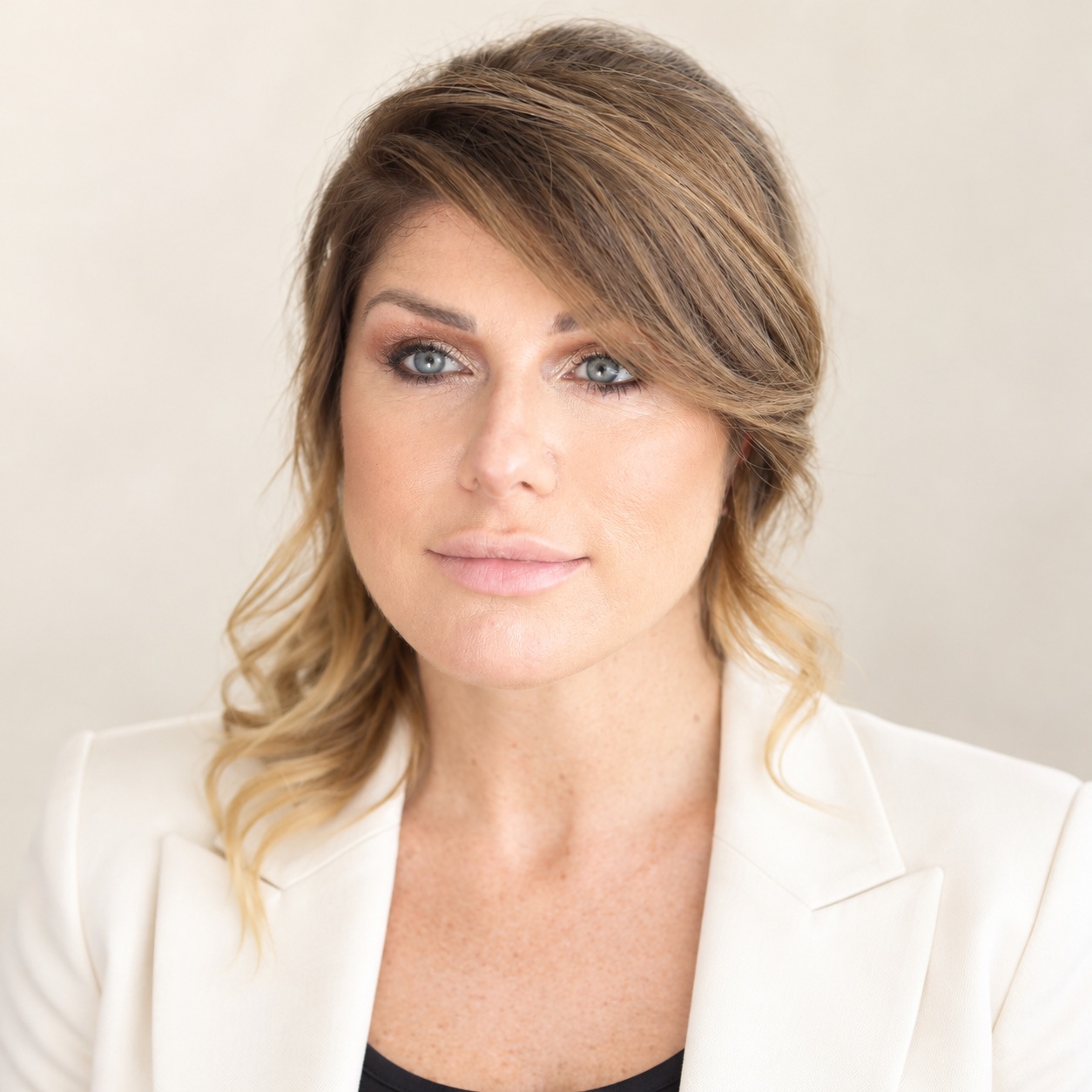
The Open Day Method is Rossella Mazzotti’s project, dedicated to the preparation and organization of Open Days in beauty centers.